
Uncategorized
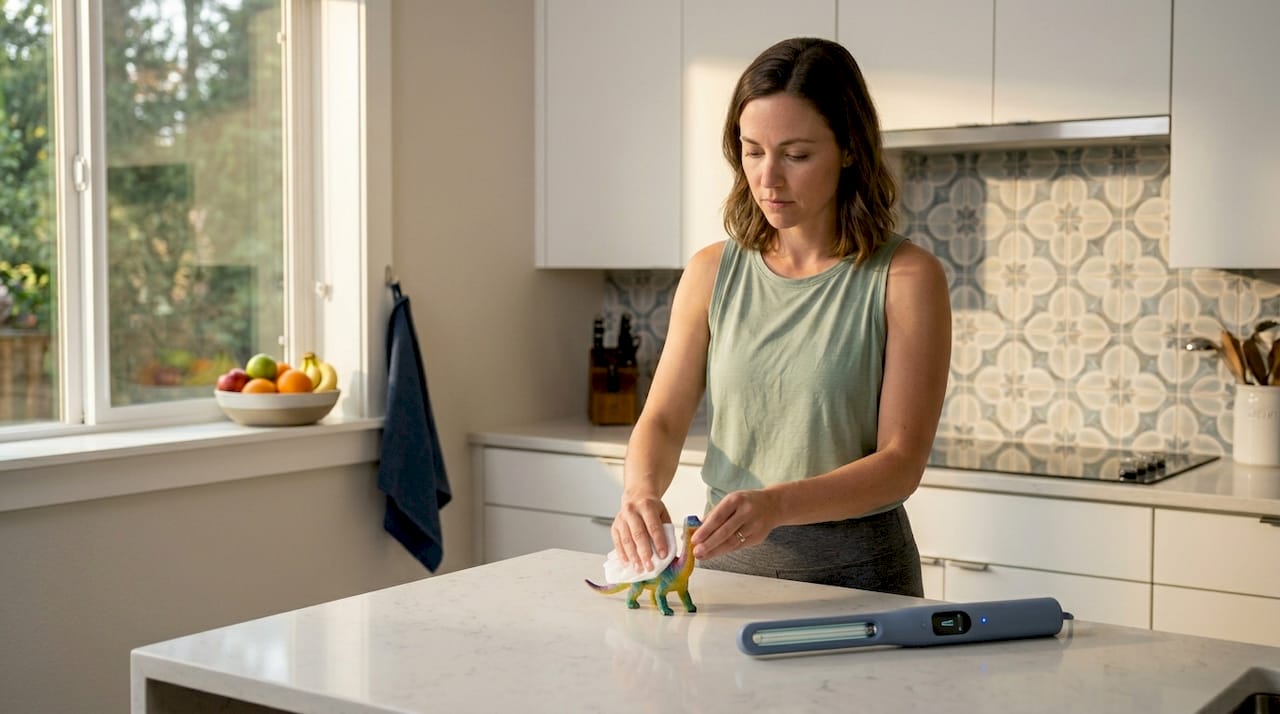
Advantages of UV Sanitization for Healthier Homes
May
TL;DR:
- UV sanitization offers a chemical-free way to effectively destroy bacteria, viruses, and mold spores in home water and air systems. Proper calibration ensures rapid, residue-free disinfection, evolving as a safer, eco-friendly alternative to traditional chemical methods. Combining UV with filtration enhances overall protection, making it a crucial layer in modern home hygiene and environmental sustainability.
Most families spend years filtering out the obvious threats to their health, buying organic produce and swapping plastic containers, while the water they drink and the air they breathe go largely unchecked. The advantages of UV sanitization change that equation. UV light offers a chemical-free way to destroy the bacteria, viruses, and mold spores hiding in your home’s water supply and circulating through your air. No added chemicals, no odor, no residue. Just physics working in your favor.
Table of Contents
- Key takeaways
- 1. How UV sanitization works
- 2. Rapid pathogen inactivation
- 3. Air quality benefits for your family
- 4. Water purification without the chemical tradeoff
- 5. No chemical residues or harmful byproducts
- 6. Environmental and sustainability advantages
- 7. How UV sanitization compares to traditional methods
- 8. What to look for when choosing a UV device
- My honest take on UV sanitization at home
- Upgrade your home’s protection with Cowayswaterpurifier
- FAQ
Key takeaways
| Point | Details |
|---|---|
| Chemical-free disinfection | UV sanitization destroys pathogens without adding any chemicals to your water or air. |
| High pathogen kill rates | UV-C light achieves over 99% bacterial reduction in as little as five minutes with proper dosing. |
| Works for air and water | UV technology integrates with both water purifiers and air filtration systems for whole-home protection. |
| Calibration matters | Device dosage and maintenance directly determine whether your UV sanitizer performs at rated effectiveness. |
| Sustainability advantage | UV systems reduce reliance on chemical products and cut plastic waste from consumable disinfectants. |
1. How UV sanitization works
Before you can appreciate what UV sanitization does for your home, you need to understand the mechanism. UV-C light sits at wavelengths between roughly 200 and 280 nanometers on the electromagnetic spectrum. When a pathogen absorbs UV-C energy, it disrupts the organism’s DNA or RNA, preventing the cell from replicating. A microbe that cannot replicate cannot infect you.
The specific wavelength matters more than most people realize. Research on viral inactivation efficiency identifies 267 nm and 275 nm as peak performance ranges for destroying viruses in liquid while preserving surrounding biomolecules. The classic germicidal wavelength at 253.7 nm from traditional mercury lamps is effective too, but newer UV-C LED technology is pushing toward those higher-efficacy peaks.
What makes UV sanitization stand out against traditional disinfectants is what it leaves behind. Nothing. No residue on your counter, no chemical smell in your water, no concern about what your child is inhaling after you clean the kitchen. You get chemical-free disinfection with none of the side effects that come with bleach-based or alcohol-based alternatives.
Pro Tip: Dose, not just duration, drives effectiveness. A device running for 30 minutes at low power may underperform a unit running for 5 minutes at the correct UV-C intensity. Always check the mJ/cm² rating when comparing UV sanitization devices.
2. Rapid pathogen inactivation
Speed is one of the most underappreciated pros of using UV light for disinfection. UV-C irradiation on surfaces achieves 99% bacterial reduction in just five minutes and complete elimination in ten minutes at a dosage between 27 and 54 mJ/cm². That kind of performance is difficult to match with manual chemical cleaning, which requires contact time, proper concentration, and correct application to even approach comparable results.
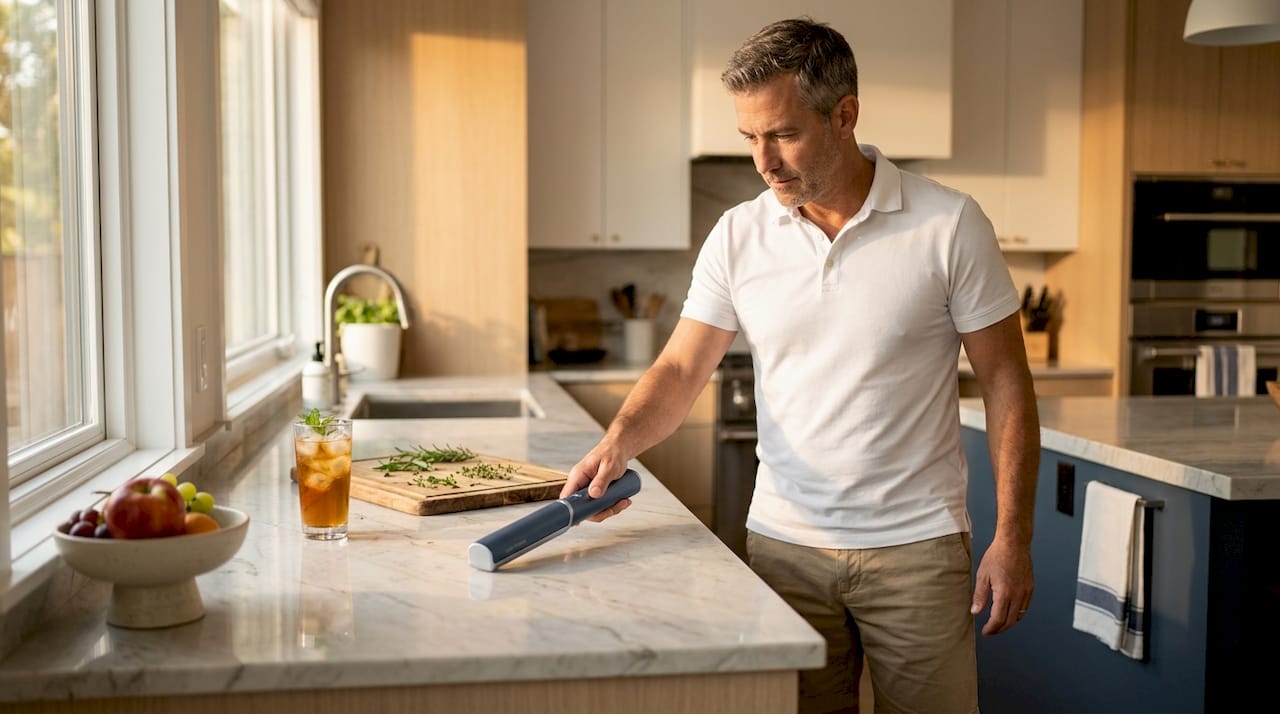
For families with young children or elderly members at home, rapid disinfection matters because it closes the window of time when a surface or water source might remain contaminated. UV sanitization does not wait for a chemical to soak in. The light works on contact.
3. Air quality benefits for your family
Indoor air is often two to five times more polluted than outdoor air, according to the EPA. UV-C air purification targets the biological component of that problem directly. It inactivates airborne bacteria, viruses, and mold spores that pass through the UV chamber or lamp zone inside your air handling system or portable purifier.
The UV-C air purification advantage for respiratory health is specific and real:
- Mold spores that settle in HVAC ducts and recirculate through your home get neutralized before reaching your lungs.
- Viruses and bacteria responsible for seasonal colds and flu are inactivated in the air stream rather than allowed to cycle through shared spaces.
- Unlike some air treatment technologies, UV-C does not generate ozone or volatile organic compounds as byproducts.
- Allergy sufferers benefit from reduced biological irritant load without any chemical fragrance or additive triggering additional sensitivity.
Families dealing with recurring respiratory illness or allergy flare-ups often focus exclusively on particulate filtration like HEPA filters. UV-C adds a complementary layer that HEPA cannot provide. HEPA captures particles but does not inactivate them. UV-C destroys the biological threat entirely. The role of UV in air purification is most powerful when combined with filtration, not used in isolation.
4. Water purification without the chemical tradeoff
Chlorine has been the backbone of municipal water disinfection for over a century, but it is not without problems. Chlorine reacts with organic matter in water to form disinfection byproducts, including trihalomethanes, which carry their own health concerns. UV water treatment sidesteps that issue entirely.
Here is how UV sanitization stacks up against common water treatment approaches:
| Method | Chemical residues | Taste impact | Effective on viruses | Maintenance level |
|---|---|---|---|---|
| Chlorination | Yes | Yes, noticeable | Yes | Low |
| UV-C treatment | None | None | Yes | Low |
| Reverse osmosis | None | Minimal | Partial | Moderate |
| UV-C + filtration | None | None | Yes | Low to moderate |
The effectiveness data on UV water treatment is not marginal. UV-C LED disinfection combined with ceramic filtration achieves 99.9% rejection of antibiotic-resistant bacteria and E. coli. Antibiotic-resistant strains are a growing concern in water supplies, and UV light handles them without requiring any additional chemical input.
The practical advantages of UV cleaning for water at home include:
- No change in water taste or smell, unlike chlorinated supplies
- No storage or handling of corrosive disinfecting chemicals
- Compact device footprints that fit under sinks or on countertops
- Low operating costs once installed
Pro Tip: UV water purification works best as part of a layered system. A sediment pre-filter removes particulates that could shadow microbes from UV exposure, and a UV-C stage then handles biological threats. Think of it as filtering first and disinfecting second.
5. No chemical residues or harmful byproducts
The absence of chemical residue is not just a convenience. It is a genuine health benefit. Families with infants, pregnant women, or immunocompromised members are frequently advised to minimize chemical exposures in the home. UV sanitization effectiveness rests entirely on light energy, which leaves no trace after treatment.
UV sterilizers are chemical-free, efficient, and low maintenance compared to chemical disinfectants. There is no buildup of disinfectant residue on surfaces, no fumes during operation, and no risk of accidental ingestion from improperly rinsed surfaces. For parents who are careful about what contacts their child’s feeding equipment or drinking water, that peace of mind has real value.
6. Environmental and sustainability advantages
The environmental case for UV sanitization is straightforward and often overlooked. Every bottle of chemical disinfectant you no longer buy is a plastic container that does not enter the waste stream. UV-C systems reduce chemical and plastic waste by eliminating ongoing dependence on consumable products.
Beyond packaging, consider the cumulative chemical load. Households that rely heavily on chemical disinfectants contribute to trace chemical concentrations in wastewater that water treatment plants are not always designed to fully remove. UV sanitization produces no chemical effluent. The only output is inactivated pathogens and the heat generated by the lamp or LED. For families trying to reduce their environmental footprint alongside improving their health, UV sanitation for health aligns those two goals rather than forcing a tradeoff between them.
7. How UV sanitization compares to traditional methods
The honest comparison between UV sanitization and traditional disinfection methods is nuanced. UV wins in several categories and has real limitations in others.
Where UV clearly outperforms chemical methods:
- Speed of action when properly dosed
- Zero chemical residue after treatment
- No development of pathogen resistance over time, since microbes cannot develop immunity to DNA disruption the way they can resist antibiotics or chemical agents
- Lower long-term costs once installed
Where UV requires careful attention:
- Shadowing effects. Any surface or water zone not directly exposed to the UV beam may not be disinfected. This is why pre-filtration matters in water systems and why room-based UV devices require proper positioning.
- Surface and material variance affects how UV light reflects or is absorbed, changing the effective dose delivered.
- An exponential dose-response relationship means the gap between a well-calibrated device and a poorly calibrated one is not small. Going from 90% to 99.99% inactivation requires careful dosing, not just longer exposure.
The right framing for most families is not UV versus chemicals but UV plus filtration as a system that reduces or eliminates chemical dependence while achieving equal or better pathogen control.
8. What to look for when choosing a UV device
Choosing a UV sanitization device for your home comes down to a few concrete factors. Getting these right means you actually get the health benefits. Getting them wrong means you paid for a light that underperforms.
- Wavelength: Look for UV-C devices operating at 253.7 nm (traditional mercury lamp) or 265 to 275 nm (UV-C LED). Broader spectrum claims are often marketing language rather than germicidal performance indicators.
- Dosage rating: Confirm the mJ/cm² output. For water purification, the NSF standard requires a minimum of 40 mJ/cm² for certified disinfection. For air and surface applications, dosage requirements vary by pathogen target.
- LED versus mercury lamp: UV-C LEDs are more energy-efficient, mercury-free, and increasingly effective at target wavelengths. Traditional low-pressure mercury lamps still perform well and cost less upfront.
- Far-UVC options: Far-UVC light at around 222 nm is emerging as a safer option for occupied rooms since it cannot penetrate human skin or eyes as deeply. The technology is promising but still maturing for consumer applications.
- Maintenance schedule: UV lamps degrade over time. Most need replacement at 9,000 to 12,000 operating hours. A device without a lamp-life indicator is harder to maintain correctly.
Pro Tip: Never look directly at an operating UV-C lamp or LED and keep skin covered when a device is running in surface sanitization mode. UV-C radiation at the wavelengths used for disinfection can cause eye irritation and skin burns. Most quality devices include shielding and auto-shutoff features for safe home use.
My honest take on UV sanitization at home
I’ve spent considerable time researching UV sanitization for home use, and the single biggest mistake I see families make is treating UV as a standalone magic solution. It is not. It is a layer. A critical one, but still a layer.
What I’ve learned is that the families who benefit most from UV technology are the ones who pair it with good pre-filtration and understand what the UV stage is actually doing. The science is not complicated. UV light destroys microbe DNA. But the application requires some attention to dosage, device quality, and positioning.
The other thing I’ve noticed is that is UV sanitization safe questions dominate early research, and understandably so. The answer is yes, when the device is designed correctly and used according to instructions. Reputable manufacturers build in safeguards. What is less safe is assuming any UV device you buy online is properly calibrated or meeting the dosage claims on the box. Buy from brands with verifiable third-party testing and transparent specs.
The future of this technology is genuinely exciting. Far-UVC advances are moving toward systems that can operate safely in occupied rooms without risk to occupants. If that matures the way the research suggests, UV air sanitization in living spaces could become as standard as HEPA filtration is today.
— Soldierboy
Upgrade your home’s protection with Cowayswaterpurifier
If the research above has you reconsidering your home’s water and air setup, Cowayswaterpurifier offers products built specifically around these standards. Their systems integrate UV-C disinfection with multi-stage filtration so that you are not choosing between clean and safe. You are getting both.
Whether you are looking for a countertop water purifier that handles biological threats without chemicals or want to understand which air purifier fits your family’s needs, Cowayswaterpurifier has detailed guides and product comparisons to help you decide. Their UV home safety guide is a practical next step if you want to go deeper on applying these technologies to your specific living situation.
FAQ
What are the main advantages of UV sanitization?
UV sanitization destroys bacteria, viruses, and mold spores without adding chemicals to your water or air. It leaves no residue, does not affect taste or smell, and works rapidly when devices are properly calibrated.
How does UV sanitization work against bacteria and viruses?
UV-C light at wavelengths around 253.7 to 275 nm damages the DNA and RNA of microorganisms, preventing them from replicating. A microbe that cannot replicate cannot cause infection.
Is UV sanitization safe for home use?
Yes. UV sanitization is safe when devices are designed with proper shielding and used as directed. Direct exposure to UV-C light can irritate skin and eyes, so reputable devices include auto-shutoff and protective enclosures for safe operation.
Can UV sanitization replace chlorine in home water treatment?
UV-C treatment achieves comparable or superior pathogen inactivation without chemical residues or taste effects, but it works best when paired with physical pre-filtration to remove particulates that could block UV exposure to microbes.
How often do UV sanitization devices need maintenance?
Most UV lamps require replacement after approximately 9,000 to 12,000 operating hours. Devices with lamp-life indicators make it easier to maintain consistent disinfection performance over time.
Recommended
- Explore the advantages of UV sterilization for safe home water – Coway Water Purifier
- How UV-C technology protects your home’s water and air – Coway Water Purifier
- Understanding the Role of UV in Water Purification – Coway Water Purifier
- UV Sanitization: Boosting Home Water and Air Safety – Coway Water Purifier
