
Uncategorized
Complete Guide to Why Water Filters Are Important
Nov
Clean water is the foundation of good health, yet more than two billion people worldwide still lack access to it. Every glass you drink, cook with, or give to your family can have lasting effects on well-being. When the water supply is contaminated, the risks are real—from stomach bugs to long-term illnesses. Understanding the impact of water quality and knowing how to filter your supply empowers you to protect your health with every sip.
Table of Contents
- Why Clean Water Matters For Health
- Common Water Contaminants And Sources
- Types Of Water Filters And Their Functions
- Health And Safety Benefits Of Filtration
- Costs, Maintenance, And Long-Term Value
Key Takeaways
| Point | Details |
|---|---|
| Clean Water is Essential for Health | Access to clean drinking water is crucial for preventing diseases and safeguarding health, particularly in vulnerable populations. |
| Identify Water Contaminants | Understand the various contaminants and their sources to proactively address water quality risks. |
| Invest in Filtration Systems | Choosing the right filtration system is vital for effective contaminant removal and long-term health protection. |
| Consider Costs and Maintenance | Evaluate the initial investment and ongoing maintenance of water filtration systems to ensure sustained health benefits. |
Why Clean Water Matters for Health
Clean water isn’t just a convenience – it’s a fundamental requirement for human health and survival. According to the CDC, access to clean drinking water is critical for preventing serious diseases like cholera, typhoid, and diarrhea, which pose significant risks to vulnerable populations such as infants and children.
The potential health consequences of contaminated water extend far beyond temporary discomfort. NIEHS research highlights that water pollution can introduce dangerous contaminants like bacteria, viruses, and harmful chemicals directly into our bodies. These pollutants can trigger a range of health problems, from mild gastrointestinal issues to severe long-term medical conditions.
Understanding water quality involves recognizing multiple potential contamination sources:
- Microbiological threats like E. coli and salmonella
- Chemical pollutants including heavy metals
- Agricultural runoff containing pesticides
- Industrial waste products
- Natural mineral contamination
By prioritizing water filtration and understanding potential risks, individuals can take proactive steps to protect their health and well-being. Regular water testing, investing in high-quality filtration systems, and staying informed about local water quality are essential strategies for maintaining safe drinking water. For more insights into water purification strategies, check out our guide on water purification best practices.
Clean water isn’t a luxury – it’s a necessity. Your health depends on the quality of water you consume, making informed choices about water filtration more than just a smart decision – it’s a critical investment in your long-term wellness.
Common Water Contaminants and Sources
Understanding the diverse range of potential water contaminants is crucial for protecting your health and well-being. CDC research reveals that tap water can become contaminated through multiple pathways, including sources like human or animal waste, natural and synthetic chemicals, and various environmental pollutants. These contaminants can enter water systems at the original source or while traveling through distribution pipes.
According to the EPA, drinking water contaminants are categorized into four primary types: physical, chemical, biological, and radiological substances. Each category represents unique risks and potential health impacts:
Biological Contaminants:
- Bacteria (E. coli, Salmonella)
- Viruses
- Parasites
- Protozoa
Chemical Contaminants:
- Heavy metals (Lead, Mercury)
- Pesticides
- Industrial chemicals
- Pharmaceutical residues
Physical Contaminants:
- Sediment
- Organic material
- Mineral deposits
- Suspended particles
Radiological Contaminants:
- Uranium
- Radium
- Plutonium
- Cesium
To understand potential water quality risks in your area, consider testing drinking water for safety. Each water source presents unique challenges, making comprehensive testing and filtration essential for protecting your family’s health.
By recognizing these potential contamination sources, homeowners can make informed decisions about water treatment.
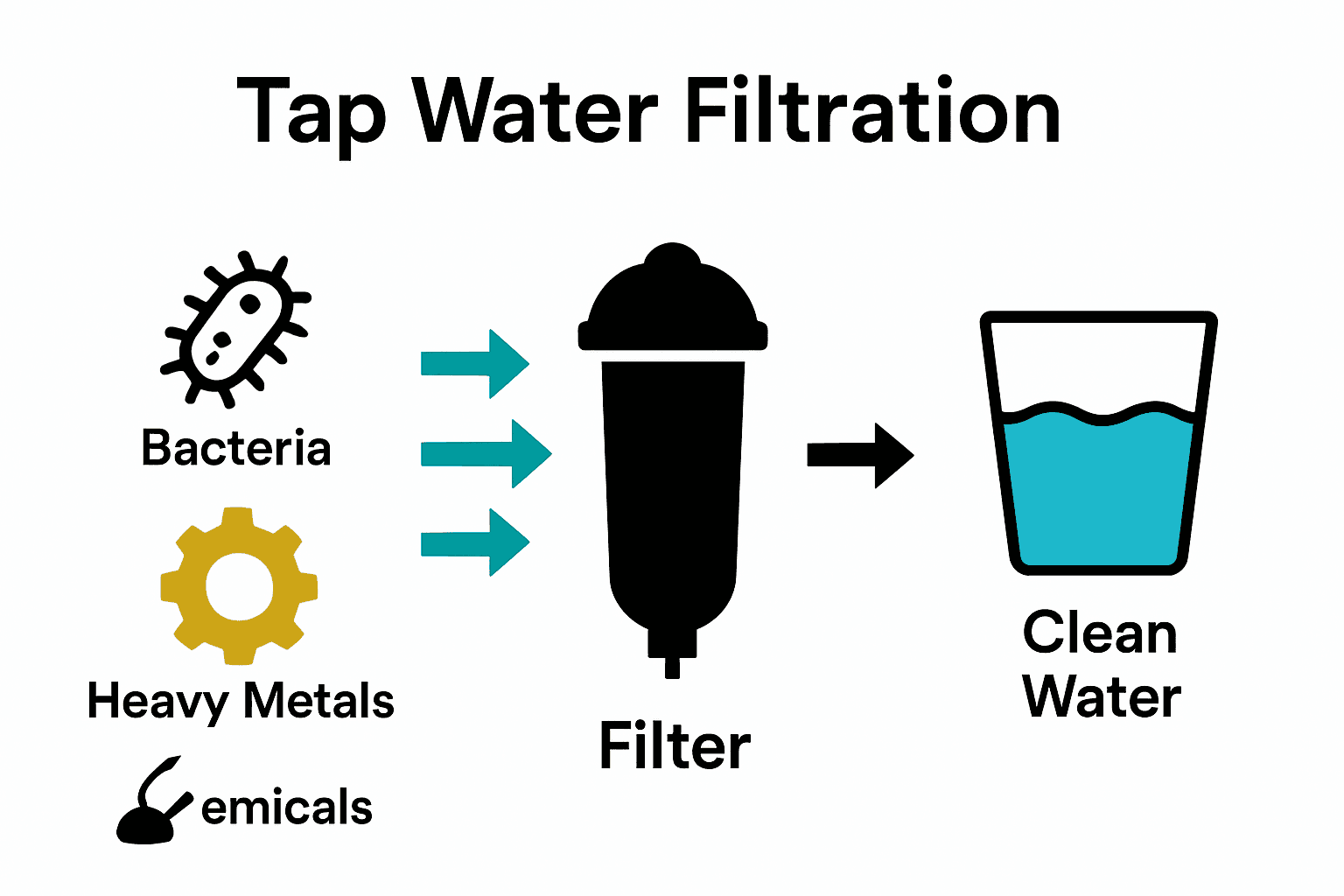 Investing in advanced filtration systems, conducting regular water quality tests, and staying informed about local water infrastructure are critical steps in ensuring safe, clean drinking water for your household.
Types of Water Filters and Their Functions
Water filtration technology has evolved significantly, offering multiple approaches to purifying drinking water and removing harmful contaminants. Modern water filters come in various types, each designed to target specific impurities and provide comprehensive water treatment solutions. From basic pitcher filters to advanced multi-stage systems, these technologies play a crucial role in ensuring safe and clean drinking water.
Here are the primary types of water filters and their specific functions:
Activated Carbon Filters:
- Remove chlorine, sediment, and organic compounds
- Improve taste and odor
- Most common in pitcher and faucet-mounted systems
- Cost-effective and easy to install
Reverse Osmosis (RO) Filters:
- Remove up to 99% of dissolved solids
- Eliminate heavy metals, fluoride, and complex chemical compounds
- Provide the most comprehensive water purification
- Require professional installation
Ceramic Filters:
- Excellent for removing bacteria and protozoa
- Highly effective against microbiological contaminants
- Durable and long-lasting
- Ideal for areas with biological water contamination
UV Water Purification:
- Destroy microorganisms using ultraviolet light
- Kill bacteria, viruses, and other pathogens
- Chemical-free purification method
- Works best in combination with other filtration technologies
For a comprehensive overview of water filtration options, explore our guide on essential water filter types. Understanding these different filtration methods helps you choose the most appropriate solution for your specific water quality challenges.
Choosing the right water filter depends on your local water composition, budget, and specific health concerns. Consider factors like contaminant types, flow rate, maintenance requirements, and long-term effectiveness when selecting a water filtration system that meets your household’s unique needs.
Health and Safety Benefits of Filtration
Water filtration is far more than a simple convenience – it’s a critical health protection strategy that safeguards your family from numerous potential health risks. By removing harmful contaminants, water filters act as a critical barrier between dangerous substances and your body, providing multiple layers of protection against waterborne health threats.
The primary health and safety benefits of water filtration include:
Comprehensive Contaminant Removal:
- Eliminate dangerous bacteria and viruses
- Remove heavy metals like lead and mercury
- Filter out chemical pollutants and pharmaceutical residues
- Reduce risk of waterborne diseases
Enhanced Personal Health Protection:
- Prevent gastrointestinal illnesses
- Support stronger immune system function
- Reduce long-term exposure to potential carcinogens
- Minimize risk of developmental issues in children
Improved Water Quality Attributes:
- Better-tasting water
- Clearer, more appealing appearance
- Reduced chlorine and sediment levels
- Elimination of unpleasant odors
Specific Health Advantages:
- Reduced risk of neurological disorders from heavy metals
- Lower chances of reproductive system complications
- Decreased potential for chronic health conditions
- Protection against microbiological contamination
To understand the full spectrum of water filtration benefits, explore our comprehensive guide on water filtration benefits. Each filtration method offers unique advantages, making it crucial to select a system tailored to your specific water quality challenges.
Investing in a high-quality water filtration system is ultimately an investment in your family’s long-term health. By proactively addressing water quality, you’re taking a significant step towards preventing potential health issues and ensuring a safer, cleaner drinking water supply for your household.
Costs, Maintenance, and Long-Term Value
Understanding the financial considerations of water filtration goes beyond the initial purchase price – it’s about evaluating the comprehensive value and long-term benefits these systems provide. Water filters represent an investment in your health, with costs varying widely depending on complexity, filtration technology, and maintenance requirements.
Breakdown of water filtration system costs and considerations:
Initial Investment Ranges:
- Pitcher filters: $20 – $50
- Faucet-mounted systems: $50 – $150
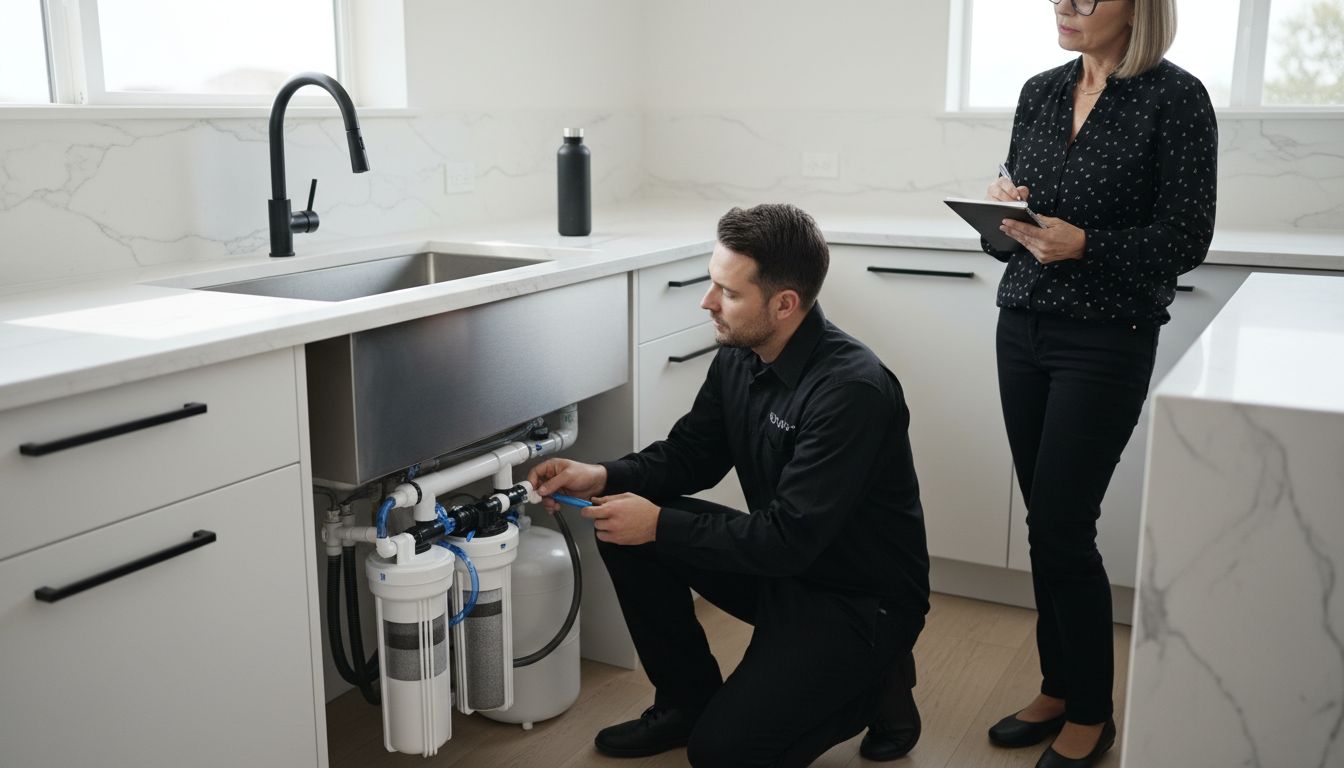
- Under-sink filters: $150 – $500
- Whole-house filtration systems: $500 – $3,000
Maintenance Cost Factors:
- Filter replacement frequency
- Type of filtration technology
- Water quality and usage volume
- Complexity of the system
Long-Term Financial Considerations:
- Reduced bottled water expenses
- Potential healthcare cost savings
- Extended appliance lifespan
- Energy efficiency improvements
- Decreased plumbing repair costs
Maintenance Frequency Guidelines:
- Pitcher filters: Replace every 2-3 months
- Faucet filters: Replace every 4-6 months
- Under-sink systems: Annual professional maintenance
- Whole-house systems: Bi-annual comprehensive service
To understand more about maintaining your water filtration investment, explore our guide on changing purifier filters. Regular maintenance isn’t just about performance – it’s about protecting your health and maximizing your system’s efficiency.
While the upfront costs might seem significant, water filtration systems offer substantial long-term value. By preventing potential health issues, reducing utility expenses, and extending the life of your household appliances, these systems provide a compelling return on investment that goes far beyond simple water purification.
Protect Your Health with Advanced Water Filtration Solutions
Your health depends on the quality of the water you drink every day. This guide shows how contaminants like bacteria, heavy metals, and chemicals pose real risks that simple tap water cannot fix. If you want to eliminate these hidden dangers and enjoy clean, great-tasting water, it is time to explore reliable filtration options designed to target specific impurities. Prioritizing filtration technology is not just about taste but about preventing illness and investing in your family’s long-term well-being.
Discover our wide range of water purifiers that combine cutting-edge filtration methods including activated carbon, reverse osmosis, and UV sterilization to ensure your water is safe and refreshing. Visit our Uncategorized Archives – Coway Water Purifier for detailed product insights and expert advice. Don’t wait to safeguard your home — start your journey to clean water today by exploring premium solutions at Coway Water Purifier. Take action now to enjoy the peace of mind that comes with drinking water free from impurities.
Frequently Asked Questions
Why is clean water important for health?
Clean water is essential for preventing serious diseases and maintaining overall health. Contaminated water can introduce harmful bacteria, viruses, and chemicals that lead to various health issues, including gastrointestinal illnesses and long-term medical conditions.
What types of contaminants can water filters remove?
Water filters can remove a range of contaminants, including biological substances like bacteria and viruses, heavy metals such as lead and mercury, chemical pollutants from agricultural runoff, and radiological contaminants.
How do I choose the right water filter for my needs?
When selecting a water filter, consider factors such as local water quality, types of contaminants present, your budget, and maintenance requirements. Different filter technologies, like activated carbon, reverse osmosis, and UV purification, are designed to target specific impurities.
What are the long-term financial benefits of investing in a water filtration system?
Investing in a water filtration system can lead to long-term savings by reducing bottled water expenses, minimizing healthcare costs from potential waterborne illnesses, and prolonging the lifespan of appliances, ultimately providing a great return on investment.
Recommended
- 7 Benefits of Water Filtration for Your Home and Health – Coway Water Purifier
- What is Water Filtration? Understanding Its Importance – Coway Water Purifier
- Water Filter Replacement Workflow for Safe Drinking Water – Coway Water Purifier
- 7 Best Water Filtration Methods for Homes and Businesses – Coway Water Purifier
- Understanding the Effects of Water Contamination – My WordPress
