
Uncategorized
7 Best Water Filtration Methods for Homes and Businesses

Nov
Safe drinking water touches every part of daily life, yet nearly one in four households in the United States has some form of water quality issue. From lingering bacteria to invisible heavy metals, understanding what flows from your tap is more important than ever. Whether you rely on city water or draw from a private well, discovering the right filtration solution can help protect your family’s health and offer peace of mind every time you pour a glass.
Table of Contents
- 1. Understanding Basic Water Filtration Needs
- 2. Exploring Activated Carbon Filtration Benefits
- 3. Advantages of Reverse Osmosis Systems
- 4. How UV Purification Makes Water Safer
- 5. Using Ceramic Filters for Effective Removal
- 6. Benefits of Multi-Stage Filtration Systems
- 7. Smart Maintenance Tips for Lasting Performance
Quick Summary
| Takeaway | Explanation |
|---|---|
| 1. Know Your Water Source | Understanding your water source helps select the right filtration method tailored to specific contaminants. |
| 2. Consider Multi-Stage Systems | Multi-stage filtration combines technologies for comprehensive removal of diverse contaminants, ensuring cleaner water. |
| 3. Maintain Your Filtration System | Regular maintenance, including timely filter changes, enhances performance and prolongs the lifespan of your system. |
| 4. Explore Activated Carbon Benefits | Activated carbon effectively improves taste and removes a wide range of contaminants, making it a versatile solution. |
| 5. Use UV Purification for Safety | UV purification eliminates harmful microorganisms without chemicals, ensuring safe drinking water while maintaining original taste. |
1. Understanding Basic Water Filtration Needs
Clean water is not just a luxury but a fundamental necessity for every home and business. According to the U.S. Environmental Protection Agency, selecting the right water filtration method can significantly impact your health and well-being.
Every water source contains different contaminants that require specific treatment approaches. Research from the North Dakota State University Extension Service highlights that water quality varies dramatically between regions and can include harmful substances like bacteria, heavy metals, sediments, and chemical pollutants.
Water Filtration Fundamentals
Understanding your specific water source is the critical first step in choosing an effective filtration method. Municipal water supplies differ from well water, and rural and urban water systems present unique challenges. By identifying your water’s specific composition, you can select a targeted filtration approach that addresses your exact needs.
Key factors to consider include:
- Water source (municipal, well, groundwater)
- Local water quality reports
- Specific contaminants present in your area
- Your household or business water consumption
The goal of water filtration goes beyond simply improving taste. A comprehensive filtration system protects your health by removing potentially dangerous microorganisms, chemicals, and particulates that standard treatment might miss.
Learn more about water quality in our guide on water filtration
2. Exploring Activated Carbon Filtration Benefits
Activated carbon filtration represents one of the most powerful and versatile water treatment technologies available for homes and businesses. According to WaterWorld research, these sophisticated filters offer an exceptional solution for improving water quality and taste.
How Activated Carbon Filtration Works
At its core, activated carbon functions like a microscopic magnet for contaminants. The material contains an extensive network of tiny pores that trap and absorb unwanted chemicals, odors, and impurities as water passes through. According to the Environmental Protection Agency, this method can effectively remove volatile organic compounds, chlorine, and even trace amounts of radon.
Key advantages of activated carbon filtration include:
- Exceptional taste improvement
- Odor elimination
- Removal of chlorine and chemical residues
- Reduction of potentially harmful organic compounds
- Cost effective water treatment solution
The filtration process works through adsorption, where contaminant molecules are trapped within the carbon’s extensive porous structure. This means the filter does not just block particles but actually captures and holds them, preventing their passage into your drinking water.
Learn more about water filtration benefits and discover how activated carbon can transform your water quality and protect your health.
3. Advantages of Reverse Osmosis Systems
Reverse osmosis represents one of the most advanced water filtration technologies available for homes and businesses seeking comprehensive water purification. According to the Environmental Protection Agency, this sophisticated method can remove an impressive range of water contaminants that other filtration systems might miss.
How Reverse Osmosis Works
The system operates through a highly specialized membrane that acts like an ultrafine molecular sieve. Water is forced through microscopic pores under pressure, effectively trapping and removing dissolved solids, bacteria, and potentially harmful chemical compounds. Research from the North Dakota State University Extension Service confirms its exceptional ability to reduce critical contaminants such as nitrates, lead, and arsenic.
Key benefits of reverse osmosis filtration include:
- Comprehensive removal of dissolved solids
- Elimination of potentially harmful microorganisms
- Significant reduction of heavy metals
- Improved water taste and clarity
- Protection against complex chemical contaminants
While more complex than standard filtration methods, reverse osmosis provides an unparalleled level of water purification. Homeowners and businesses with specific water quality concerns will find this method particularly valuable for ensuring safe and clean drinking water.
Learn more about reverse osmosis technology and discover how this advanced filtration can transform your water quality.
4. How UV Purification Makes Water Safer
Ultraviolet water purification represents a cutting-edge technology that transforms water safety without introducing additional chemicals. According to the Environmental Protection Agency, this method provides a powerful defense against dangerous microorganisms through an innovative disinfection process.
The Science Behind UV Purification
UV purification works by exposing water to specific wavelengths of ultraviolet light that penetrate and neutralize harmful microorganisms at their cellular level. When microbes pass through the UV light field, their genetic material becomes permanently damaged, preventing them from reproducing or causing infections. This process effectively inactivates bacteria, viruses, and other potentially dangerous pathogens without altering the water’s fundamental chemical composition.
Key advantages of UV water purification include:
- Instant microorganism elimination
- No chemical additives required
- Environmentally friendly treatment method
- Maintains water’s original taste and mineral content
- Continuous protection against microbial contamination
Research from North Dakota State University Extension Service recommends using UV purification as part of a comprehensive water treatment strategy. While incredibly effective at destroying microorganisms, UV systems work best when combined with other filtration methods to address potential chemical contaminants.
Discover more about UV water purification technology and learn how this innovative approach can enhance your water safety.
5. Using Ceramic Filters for Effective Removal
Ceramic filters represent an innovative and time tested water purification technology that offers remarkable protection against microbial contaminants. According to the Environmental Protection Agency, these specialized filters provide an exceptional method for improving water quality at a microscopic level.
How Ceramic Filtration Works
The fundamental mechanism of ceramic filters relies on their extremely fine porous structure. These filters contain microscopic holes that are small enough to physically block bacteria, protozoa, and other harmful microorganisms while allowing clean water to pass through. This mechanical filtration approach means water is cleaned without introducing additional chemicals or altering its fundamental composition.
Key benefits of ceramic water filtration include:
- Reliable removal of bacteria and protozoa
- No chemical treatment required
- Long lasting and relatively low maintenance
- Effective for both municipal and rural water sources
- Environmentally friendly filtration method
Research from North Dakota State University Extension Service suggests that while ceramic filters excel at biological contaminant removal, they work best when integrated into a comprehensive water treatment strategy. Pairing ceramic filtration with activated carbon or reverse osmosis systems can provide more complete water purification.
Explore our guide to essential water filter types and discover how ceramic filters can enhance your water safety.
6. Benefits of Multi-Stage Filtration Systems
Multi-stage filtration systems represent the pinnacle of water purification technology, offering comprehensive protection against a wide range of water contaminants. According to the Environmental Protection Agency, these advanced systems provide a sophisticated approach to ensuring water quality and safety.
How Multi-Stage Filtration Works
The core principle of multi-stage filtration involves processing water through several specialized filtration layers, each designed to target specific types of contaminants. This sequential approach means water passes through different filter media that progressively remove increasingly smaller and more complex impurities. The result is water that has been comprehensively cleaned and purified at multiple molecular levels.
Key advantages of multi-stage filtration systems include:
- Comprehensive contaminant removal
- Improved water taste and clarity
- Elimination of multiple types of impurities
- Enhanced protection against diverse water quality issues
- Longer filter life and more efficient performance
Research from North Dakota State University Extension Service highlights that multi-stage systems are particularly effective because they address contaminants systematically. By combining different filtration technologies like activated carbon, ceramic, and reverse osmosis membranes, these systems provide a robust defense against biological, chemical, and physical water quality challenges.
Learn more about advanced filtration technology and discover how multi-stage systems can transform your water quality.
7. Smart Maintenance Tips for Lasting Performance
Water filtration systems are sophisticated technologies that require consistent care to maintain their peak performance and reliability. According to the Environmental Protection Agency, proper maintenance is crucial for ensuring long-term water quality and system effectiveness.
Understanding Proactive Maintenance
Maintaining your water filtration system goes beyond occasional checkups. It involves a strategic approach of regular inspections, timely filter replacements, and understanding the specific needs of your particular filtration technology. Think of it like maintaining a high performance vehicle regular attention prevents major breakdowns and ensures optimal functionality.
Key maintenance strategies include:
- Track and follow manufacturer recommended filter replacement schedules
- Conduct quarterly visual inspections of filtration components
- Monitor water quality and system performance consistently
- Clean system exterior and accessible parts regularly
- Keep detailed maintenance records for future reference
Research from North Dakota State University Extension Service emphasizes that adhering to manufacturer guidelines can significantly extend your system’s operational lifespan. Each filtration method has unique maintenance requirements, so understanding your specific system becomes critical for long term performance.
Learn more about maintaining your water purification system to ensure clean, safe water for years to come.
Below is a comprehensive table summarizing the key water filtration technologies and maintenance strategies described in the article.
| Filtration Technology | How It Works | Key Advantages |
|---|---|---|
| Basic Water Filtration | Identifies specific water source needs | Tailors filtration to contaminants; protects health |
| Activated Carbon | Adsorption through porous carbon | Improves taste; removes chlorine and chemicals; cost-effective |
| Reverse Osmosis | Uses a specialized membrane | Removes dissolved solids, bacteria; improves taste; purifies water |
| UV Purification | UV light inactivates microorganisms | No chemicals needed; retains taste; environmentally friendly |
| Ceramic Filters | Physical blockage of contaminants | Removes bacteria and protozoa; no chemicals; long-lasting |
| Multi-Stage Systems | Multi-layer filtration approach | Comprehensive removal; enhances taste; addresses multiple issues |
| Maintenance Strategies | Regular inspections and maintenance | Ensures longevity; maintains performance; follows manufacturer guidelines |
Protect Your Family and Business with Advanced Water Filtration Solutions
Facing the challenge of finding the perfect water filtration system that meets your home or business needs can feel overwhelming. Whether you’re concerned about harmful microorganisms, chemical pollutants, or heavy metals, choosing the right technology like activated carbon filtration, reverse osmosis, or UV purification is essential for your health and peace of mind. Understanding concepts like multi-stage filtration and proper maintenance can help you safeguard your water supply and enjoy clean, great-tasting water every day.
At Coway, we make this process simple and reliable with our wide range of premium water purifiers designed to address these exact concerns. From countertop units to under-sink systems, our advanced filtration technologies combine activated carbon, reverse osmosis membranes, ceramic filters, and UV sterilization to ensure comprehensive water safety. Experience exceptional taste, purity, and protection along with free delivery, professional installation, and maintenance services.
Discover how you can take control of your water quality today by exploring our selection of smart water purification products in the Uncategorized Archives – Coway Water Purifier section.
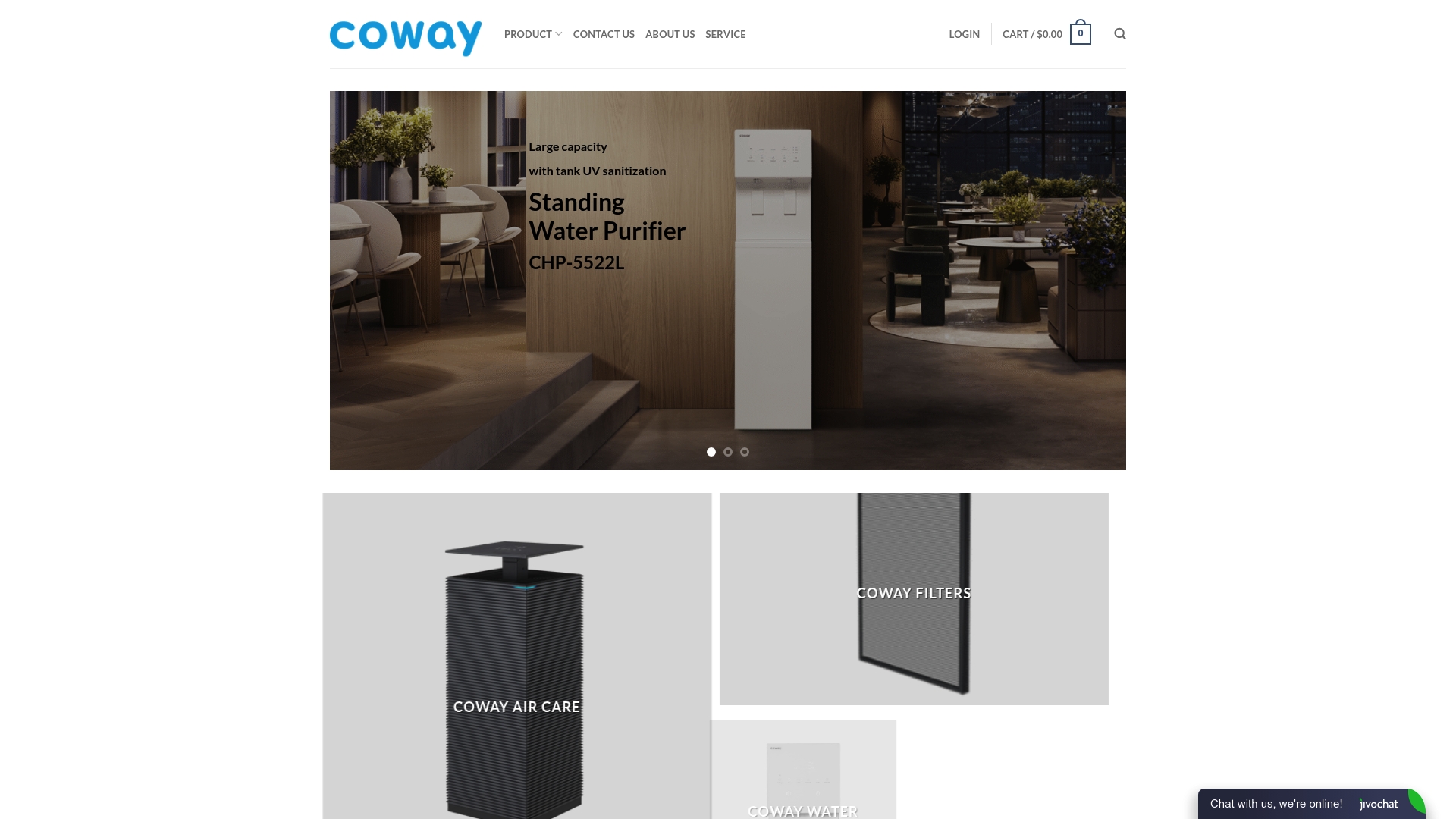
Don’t wait for water quality issues to affect your loved ones or customers. Visit Coway Water Purifier now to find the perfect filtration system and take the first step toward healthier living. Learn more about why advanced filtration matters in our full guide and make informed choices to protect what matters most. Your clean water starts here at https://cowayswaterpurifier.com.
Frequently Asked Questions
What is the best water filtration method for my home or business?
The best water filtration method depends on your specific water quality needs. Assess your water source and contaminants by reviewing local water quality reports, then consider options like activated carbon, reverse osmosis, or multi-stage filtration systems.
How do I know which contaminants are in my water?
You can determine the contaminants in your water by consulting local water quality reports or conducting a home water test. Use a testing kit that checks for common impurities such as lead, bacteria, or chlorine to gain insight into your water’s composition.
How often should I replace the filters in my water filtration system?
Filter replacement schedules can vary based on the type of filtration system and water usage. Generally, replace activated carbon filters every 6–12 months and reverse osmosis membranes every 2–3 years to ensure optimal performance and water safety.
Can I use multiple filtration methods together?
Yes, combining multiple filtration methods often enhances overall water quality. Consider using a multi-stage filtration system that incorporates activated carbon, ceramic, and reverse osmosis to effectively remove a broad spectrum of contaminants.
What maintenance tasks do I need to perform on my water filtration system?
Regular maintenance tasks include visual inspections, cleaning accessible components, and adhering to the manufacturer’s filter replacement schedule. Keep detailed records of inspections and replacements to maintain optimal water purity and system longevity.
Why should I choose UV purification for my water treatment?
UV purification is effective for eliminating microorganisms without the use of chemicals, making it a safe option for water treatment. Integrate UV purification as part of a comprehensive system for added protection against harmful pathogens while keeping your water’s original taste.
Recommended
- 7 Top Water Filtration Methods You Need to Know – Coway Water Purifier
- 7 Benefits of Water Filtration for Your Home and Health – Coway Water Purifier
- 7 Types of Water Purifiers Every Homeowner Should Know – Coway Water Purifier
- 7 Essential Types of Water Filters for Every Home – Coway Water Purifier
