
Uncategorized
Safe water consumption tips for healthier homes
Mar
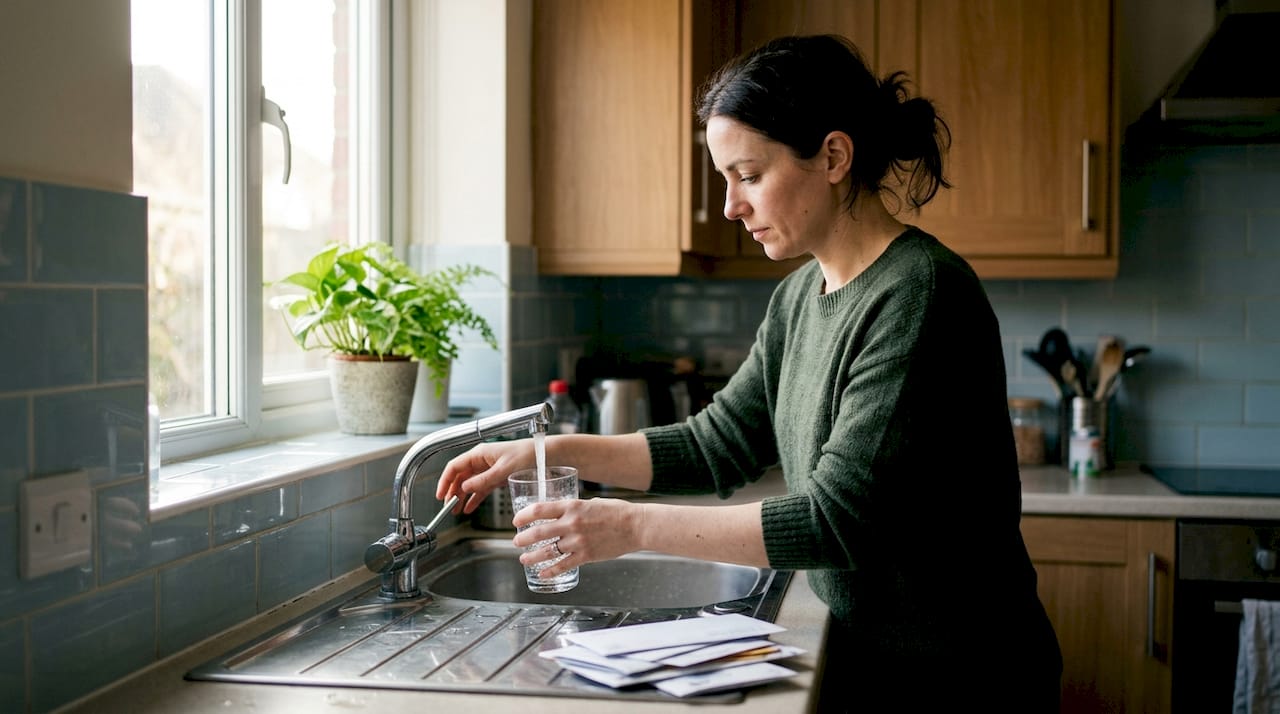
Many families worry whether the water flowing from their taps is truly safe to drink. With growing concerns about lead, microbes, chemicals, and other contaminants lurking in household water supplies, ensuring safe water consumption has become a top priority for health-conscious homeowners. This guide delivers practical, actionable tips to help you protect your family’s wellness by purifying, maintaining, and monitoring your home’s drinking water with confidence and ease.
Table of Contents
- Key takeaways
- Preparing your home for safe water consumption
- Effective steps to ensure safe water consumption
- Common mistakes and how to verify water safety at home
- Enhance your home water safety with Coway solutions
- FAQ
Key Takeaways
| Point | Details |
|---|---|
| Test water source | Start by testing your water to identify the specific contaminants present. |
| Targeted purification | Select purification methods that address the contaminants identified in your water. |
| Regular maintenance | Install filters correctly and follow a regular replacement schedule based on usage and device guidance. |
| Safe storage and retests | Store purified water in clean containers away from contamination sources and retest water quality periodically. |
Preparing your home for safe water consumption
Before you can confidently drink water from your tap, you need to understand where your water comes from and what threats it might carry. Most homes receive water from municipal supplies, private wells, or occasionally other sources like rainwater collection systems. Each source presents unique contamination risks that require specific purification approaches.
Municipal water typically undergoes treatment before reaching your home, but aging infrastructure and localized issues can introduce contaminants during delivery. Understanding household water sources and contamination risks helps you identify the specific threats in your area. Common culprits include lead from old pipes, chlorine byproducts, microorganisms like bacteria and viruses, pesticides, heavy metals, and industrial chemicals. Well water faces different challenges, often containing naturally occurring minerals, agricultural runoff, or bacterial contamination from nearby septic systems.
To address these risks effectively, you’ll need the right equipment and knowledge. Start by researching why purify tap water naturally and what filtration technologies match your water profile. The table below shows common household contaminants and the best filtration methods for each:
| Contaminant Type | Examples | Best Filtration Method |
|---|---|---|
| Heavy metals | Lead, mercury, copper | Reverse osmosis or activated carbon |
| Microorganisms | Bacteria, viruses, parasites | UV sterilization or ultrafiltration |
| Chemicals | Chlorine, pesticides, VOCs | Activated carbon or catalytic carbon |
| Sediment | Rust, dirt, sand | Sediment pre-filter |
| Minerals | Calcium, magnesium (hardness) | Ion exchange or reverse osmosis |
Gathering the necessary supplies ensures you’re ready to implement safe water practices immediately. Here’s what you’ll need:
- Certified water filtration or purification device appropriate for your contaminants
- Replacement filter cartridges with clear replacement schedules
- Clean, food-grade storage containers with tight-sealing lids
- Water testing kit or access to laboratory testing services
- Maintenance log to track filter changes and system checks
Pro Tip: Always choose filters certified by NSF International or the Water Quality Association to meet recognized safety standards. These certifications guarantee that the device actually removes the contaminants it claims to target, giving you real protection rather than false confidence.
You can find more detailed guidance in these tips for clean drinking water that complement your preparation efforts. With your equipment ready and knowledge in place, you’re prepared to move forward with the actual purification process.
Effective steps to ensure safe water consumption
Implementing a systematic approach to water purification guarantees consistent safety for your family. Follow these steps to establish reliable water safety practices:
- Test your water source to identify specific contaminants present
- Select purification methods that target your identified threats
- Install filtration or purification devices according to manufacturer instructions
- Establish a regular filter replacement schedule based on usage and capacity
- Store purified water in clean containers away from contamination sources
- Monitor system performance and water quality through periodic retesting
Each step builds on the previous one to create a comprehensive safety net. Testing comes first because you can’t solve problems you don’t know exist. Many homeowners skip this critical step and choose filtration systems that don’t address their actual contaminants. Once you know what you’re fighting, selecting the right purification method becomes straightforward. Regular maintenance of water purification systems keeps them working effectively over time.
Installation varies by device type. Countertop units simply connect to your faucet, while under-sink systems require basic plumbing skills or professional help. Whole-house systems need more complex installation but protect all water outlets. Regardless of type, proper installation ensures maximum effectiveness and prevents leaks or bypass issues that compromise safety.
Beyond the basic steps, safe handling practices prevent recontamination of your purified water:
- Wash hands thoroughly before handling clean water containers
- Use dedicated clean containers only for purified water storage
- Avoid touching the inside of container lids or drinking surfaces
- Keep storage containers sealed when not actively dispensing water
- Clean and sanitize storage containers weekly with hot, soapy water
- Label containers with purification dates to track freshness
Pro Tip: Schedule filter replacements and system checks based on manufacturer recommendations rather than waiting for visible problems. Bacterial growth and filter saturation happen invisibly, so proactive maintenance prevents contamination before it starts. Set phone reminders or mark your calendar to stay on track.
Combining multiple purification methods provides superior protection compared to relying on a single approach. For example, pairing activated carbon filtration with UV sterilization removes both chemical contaminants and microorganisms that either method alone might miss. This layered defense strategy mirrors professional water treatment facilities and delivers the safest possible drinking water.
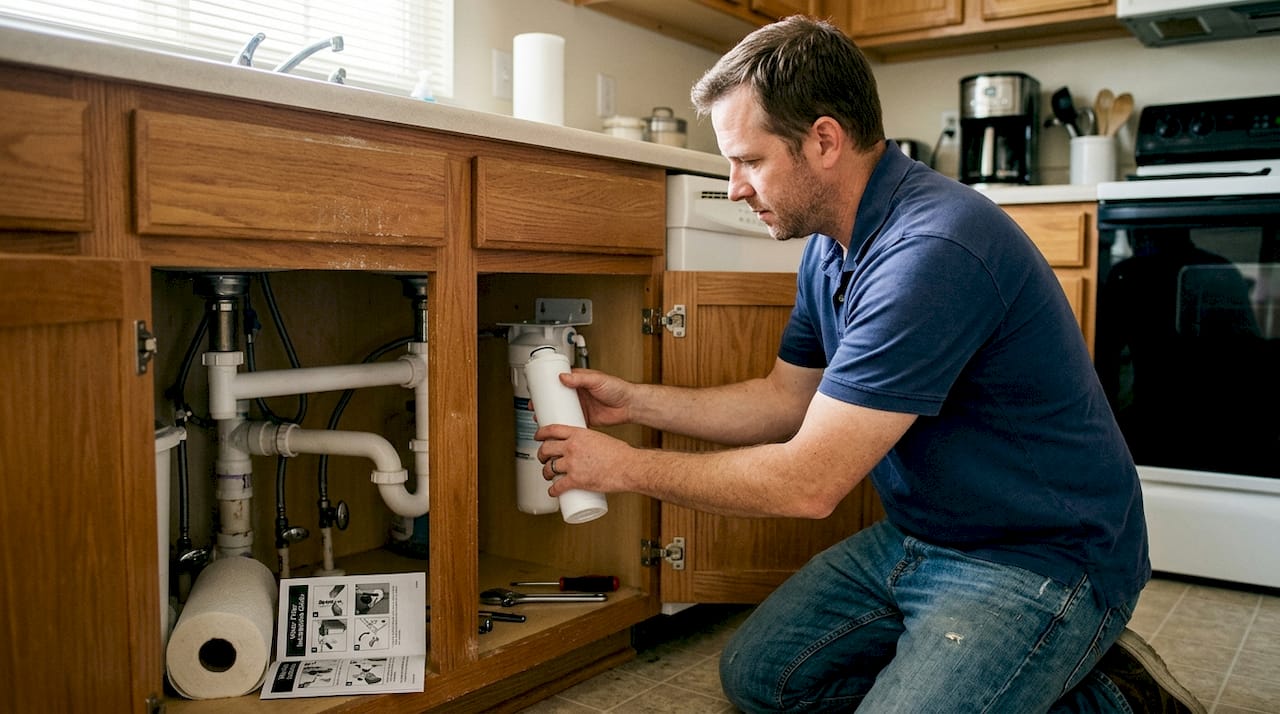
For a comprehensive approach, review this safe drinking water checklist and learn how to ensure healthy drinking water naturally using proven methods that protect your family’s wellness.
Common mistakes and how to verify water safety at home
Even well-intentioned homeowners make critical errors that compromise water safety. Recognizing these pitfalls helps you avoid them and maintain truly safe drinking water. The most frequent mistakes include:
- Neglecting filter changes beyond recommended intervals
- Ignoring early warning signs like unusual taste, odor, or cloudiness
- Storing water in containers that aren’t food-grade or properly sealed
- Trusting visual clarity alone as proof of safety
- Failing to test water after installing new filtration systems
- Using expired water testing kits that produce inaccurate results
The assumption that clear water equals safe water causes particular harm. Many dangerous contaminants, including lead, arsenic, bacteria, and viruses, remain completely invisible to the naked eye. You could be drinking heavily contaminated water that looks perfectly clean. This false security prevents people from taking necessary protective actions.
Verifying water safety requires actual testing rather than guesswork. You have two main options: home water test kits or professional laboratory analysis. Each approach offers distinct advantages:
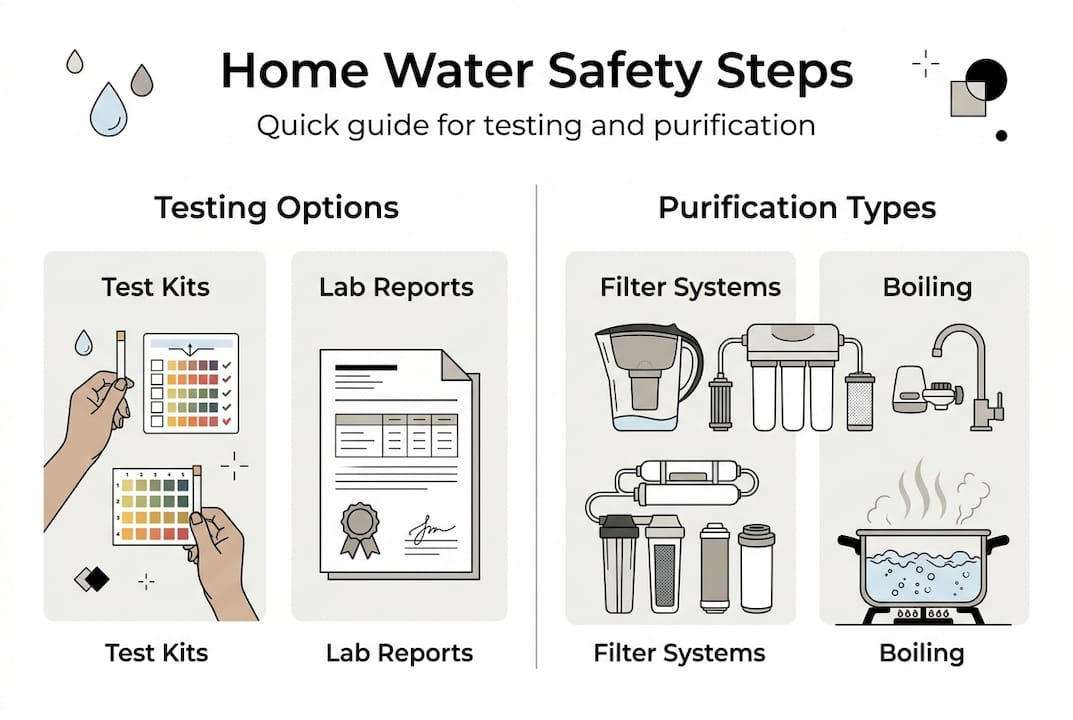
| Testing Method | Pros | Cons |
|---|---|---|
| Home test kits | Immediate results, lower cost, convenient | Limited contaminant range, less precise, requires careful technique |
| Laboratory testing | Comprehensive analysis, highly accurate, professional interpretation | Higher cost, delayed results, requires sample shipping |
For routine monitoring, home test kits work well for common concerns like pH, chlorine, hardness, and basic bacterial presence. However, water quality testing through certified laboratories provides the most reliable results for serious contamination concerns or when buying a new home.
Regular water testing is your best defense against unseen contaminants.
Interpreting test results correctly determines your next actions. If tests reveal contaminants above safe levels, compare findings against EPA maximum contaminant levels to understand severity. Then select filtration systems certified to remove those specific threats. Retest after installing new purification equipment to confirm it’s working as intended.
Maintaining confidence in your purification devices requires attention to certified filtration standards home systems must meet. Look for NSF/ANSI certifications that match your needs: Standard 53 for health contaminants, Standard 42 for aesthetic issues, Standard 58 for reverse osmosis systems, and Standard 55 for UV treatment devices. These certifications prove independent testing confirmed the manufacturer’s claims.
Staying informed about waterborne contamination home risks helps you remain vigilant as conditions change. Municipal water reports, local news about infrastructure issues, and seasonal variations all affect your water quality throughout the year.
Enhance your home water safety with Coway solutions
Putting these safe water consumption tips into practice becomes easier with the right technology and support. Coway specializes in advanced water purification systems designed specifically for home use, combining multiple filtration stages with UV sterilization to deliver truly safe drinking water.
Explore the complete water purification process explained guide to understand how professional-grade technology protects your family. Whether you need a convenient countertop ice water purifier or a comprehensive whole-home solution, Coway water care products combine certified safety with user-friendly design to make pure water accessible every day.
FAQ
What are the most effective water purification methods for home use?
The most effective approaches combine multiple technologies to address different contaminant types. Activated carbon filtration removes chemicals and improves taste, while UV sterilization kills bacteria and viruses. Reverse osmosis provides comprehensive protection against dissolved solids, heavy metals, and microorganisms. For maximum safety, choose systems that layer these methods and carry NSF certifications proving they remove specific contaminants.
How often should water filters and purifiers be maintained or replaced?
Most manufacturers recommend filter replacement every three to six months depending on usage volume and water quality. Higher contamination levels or heavy daily use require more frequent changes. Never exceed the manufacturer’s maximum capacity rating, even if the filter appears clean. Timely maintenance prevents bacterial growth inside saturated filters and ensures consistent contaminant removal throughout the filter’s life.
Can I rely on visual clarity to judge if my water is safe to drink?
Visual clarity provides no reliable indication of water safety. Many dangerous contaminants including lead, arsenic, nitrates, bacteria, viruses, and pesticides remain completely invisible even at harmful concentrations. Water can look crystal clear while containing serious health threats. Only laboratory testing or certified home test kits can detect these invisible dangers and confirm your water is truly safe to consume.
What are best practices for storing water safely at home?
Use only food-grade containers with tight-sealing lids to prevent contamination from airborne particles or pests. Store containers in cool, dark locations away from direct sunlight, which promotes bacterial growth. Avoid storing purified water longer than one week without retreatment. Regularly clean and sanitize storage containers with hot, soapy water to prevent biofilm buildup that can recontaminate even purified water.
Should I test my tap water even if the local municipal supply meets safety standards?
Yes, because municipal compliance doesn’t guarantee safety at your specific tap. Contamination often occurs in the distribution system between the treatment plant and your home through corroded pipes, cross-connections, or localized issues. Older homes with lead pipes face particular risks that municipal testing doesn’t detect. Private testing identifies problems specific to your household and helps you select filtration systems that address your actual contamination profile rather than generic concerns.
Recommended
- 7 Essential Tips for Clean Drinking Water at Home – Coway Water Purifier
- Eco-Friendly Water Purification Guide for Healthy Homes – Coway Water Purifier
- How to Ensure Healthy Drinking Water at Home Easily – Coway Water Purifier
- How to Assess Water Quality for Safer Homes – Coway Water Purifier
- Is Bacteriostatic Water Safe? #1 hack Labs Need to Know – Herbilabs Labware
