
Uncategorized
How to Ensure Healthy Drinking Water at Home Easily
Feb
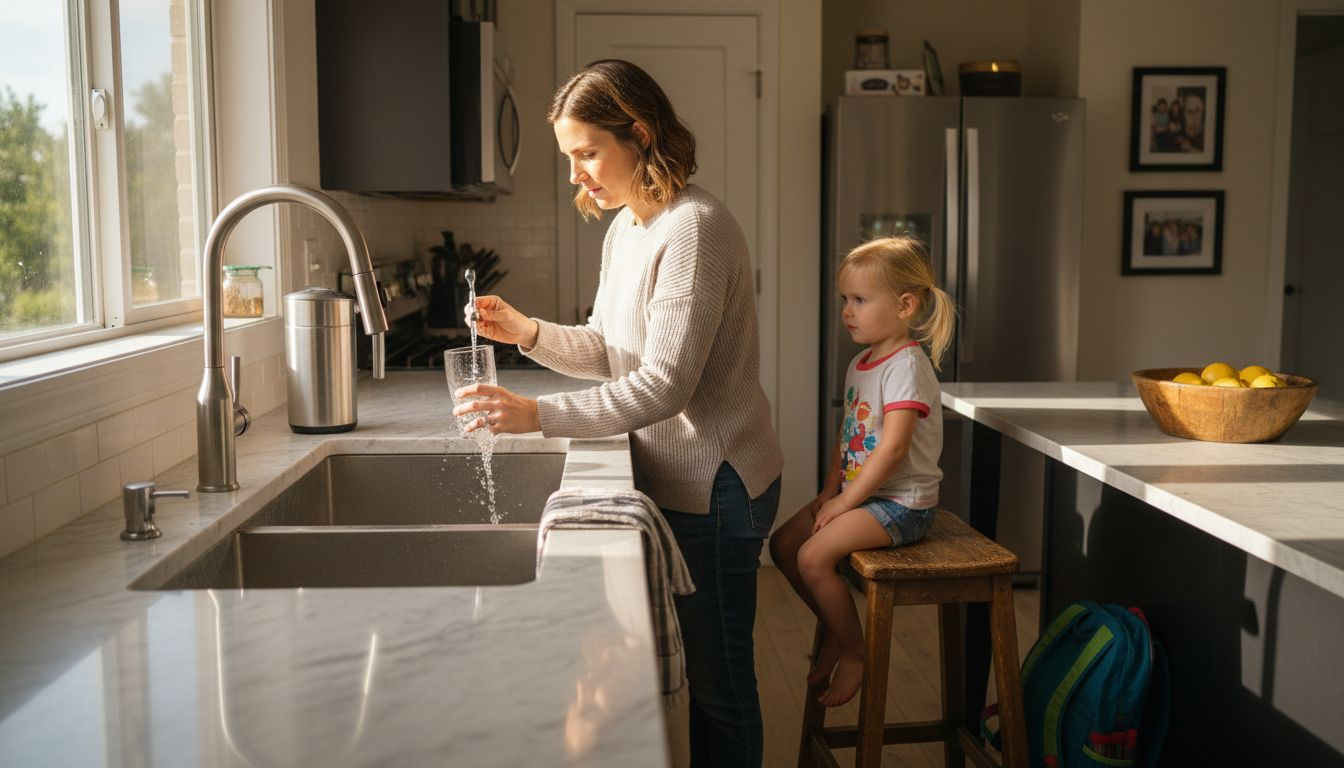
Every American homeowner wants to feel confident that every glass of water they serve is truly clean and safe for their loved ones. With growing concerns about hidden contaminants and changing water sources, understanding your home’s water quality is more important than ever. By combining expert guidance with practical steps, you can identify risks and choose smart filtration solutions that keep your family protected—starting with a systematic approach to water testing and purifier selection for peace of mind.
Table of Contents
- Step 1: Assess Your Water Source Quality
- Step 2: Choose The Right Water Purifier
- Step 3: Install Your Water Purification System
- Step 4: Maintain Filtration For Safety
- Step 5: Test Water Regularly For Health
Quick Summary
| Key Message | Explanation |
|---|---|
| 1. Assess water quality regularly | Investigate your water source’s contaminants and conditions to protect health. Conduct testing and review reports consistently. |
| 2. Choose the right purifier | Select a water purification system based on specific contaminants and household needs for optimal water safety. |
| 3. Install the system correctly | Follow installation guidelines carefully to ensure effective purification and leak prevention in your system. |
| 4. Maintain your filtration system | Regularly monitor and replace filters to maintain the effectiveness of the purification system and ensure safe drinking water. |
| 5. Test water frequently for safety | Conduct water tests at least biannually or after environmental changes to stay informed about any potential health risks. |
Step 1: Assess Your Water Source Quality
Understanding the quality of your home’s drinking water is critical for protecting your family’s health. This step involves investigating and evaluating the origin and condition of your water supply through systematic research and targeted testing methods.
To begin, leverage powerful online resources like the EPA water quality tool to gain comprehensive insights into your local water conditions. These digital platforms provide detailed information about potential contaminants, chemical composition, and environmental factors affecting your water source. The USGS water data resources offer additional real-time monitoring data that can help you understand local water characteristics.
Key steps for assessing water quality include:
- Request a comprehensive water quality report from your local municipal water supplier
- Obtain a professional water testing kit for detailed home analysis
- Check for visual indicators like cloudiness, unusual color, or suspended particles
- Review historical water quality data for your specific geographic region
- Consider potential contamination sources near your water infrastructure
Water testing reveals critical information about potential health risks, including the presence of:
- Heavy metals like lead and mercury
- Bacterial contamination
- Chemical pollutants
- Mineral concentrations
- pH levels
By systematically investigating your water source, you establish a baseline understanding that will guide future purification and safety strategies.
Pro tip: Conduct water testing at least twice annually and after any significant environmental events or infrastructure changes in your area.
Step 2: Choose the Right Water Purifier
Selecting an appropriate water purification system is crucial for ensuring your family’s health and safety. Your goal is to find a purifier that effectively removes specific contaminants identified during your water quality assessment while matching your household’s unique needs.
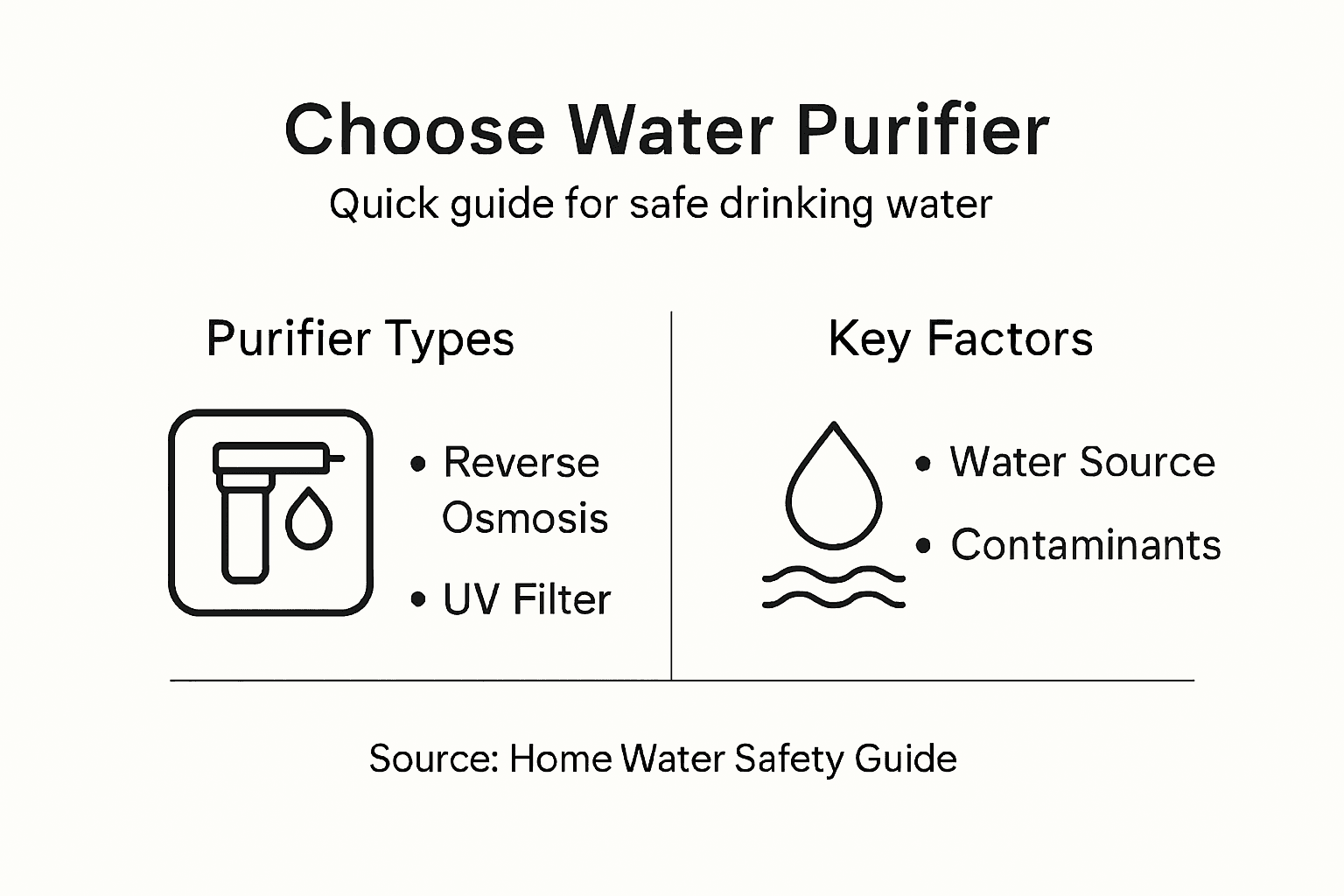
When exploring water purification options, consumer filtration guides recommend carefully evaluating several key factors. Different purification technologies target distinct contaminant types, so understanding your water’s specific composition is paramount. The NSF certification standards provide critical guidance for selecting reliable filtration systems.
Key considerations for water purifier selection include:
- Specific contaminants in your local water supply
- Filtration technology effectiveness
- System capacity and flow rate
- Installation requirements
- Maintenance and replacement costs
- Certification from reputable testing organizations
Water purifier types to consider:
- Activated Carbon Filters: Excellent for removing chlorine, sediment, and organic compounds
- Reverse Osmosis Systems: Comprehensive removal of dissolved solids and minerals
- UV Purification: Targets bacteria and microorganisms
- Ceramic Filters: Effective against bacteria and sediment
- Alkaline/Ionized Filters: Adjusts water pH and mineral content
Choosing the right water purifier is an investment in your family’s long-term health and well-being.
Consider your specific requirements, such as the volume of water your household consumes, available installation space, and budget. Professional water quality testing can help you identify the most suitable purification technology for your needs.
Here’s a quick comparison of common water purifier technologies:
| Purifier Type | Target Contaminants | Maintenance Effort | Typical Installation Location |
|---|---|---|---|
| Activated Carbon | Chlorine, organic matter | Moderate, filter swap | Under sink or faucet |
| Reverse Osmosis | Dissolved solids, minerals | High, membrane change | Under sink |
| UV Purification | Bacteria, microorganisms | Low, bulb replacement | Near water supply |
| Ceramic | Bacteria, sediment | Moderate, cartridge swap | Countertop, under sink |
| Alkaline/Ionized | pH, minerals | Low, occasional cleaning | Countertop |
Pro tip: Always compare multiple purifier models and read independent reviews before making a final purchase decision.
Step 3: Install Your Water Purification System
Transitioning from selecting the right water purifier to successful installation requires careful planning and attention to detail. Your goal is to set up a water purification system that guarantees safe, clean drinking water for your household.
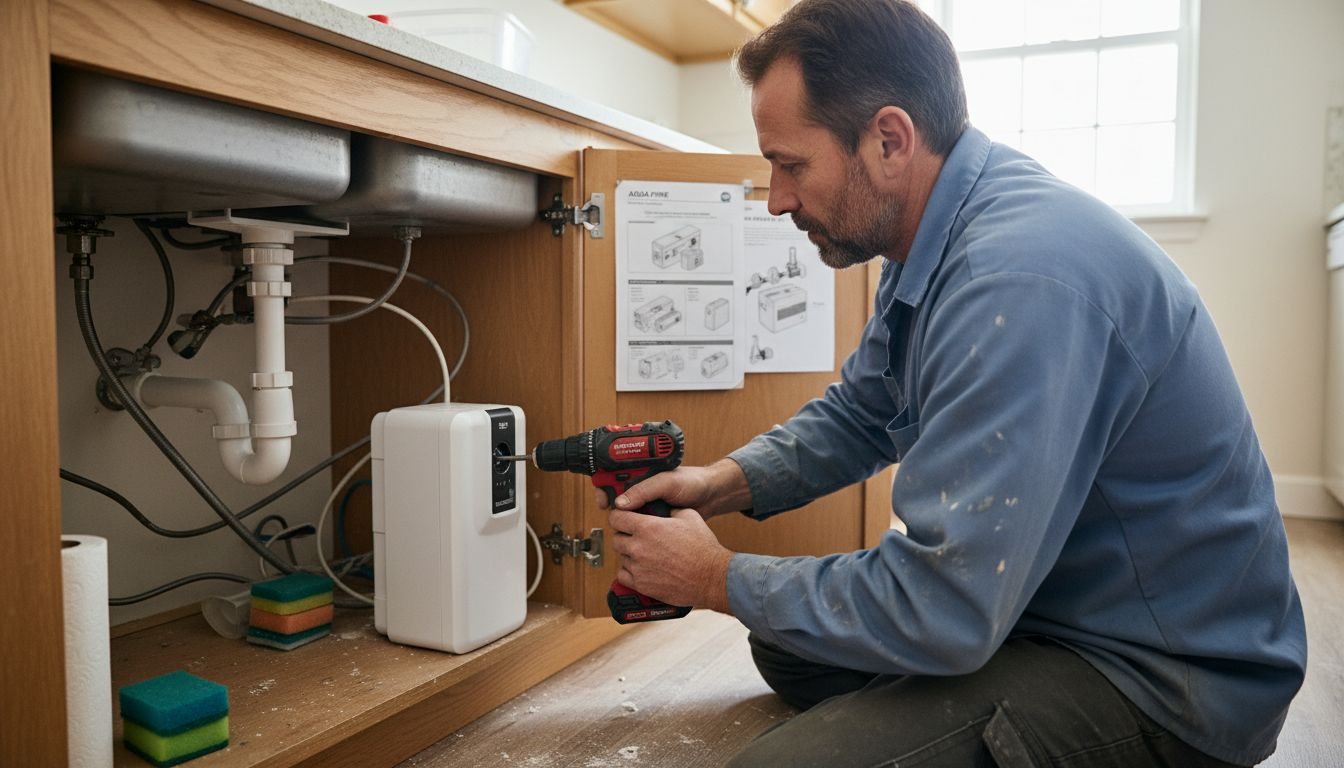
Home water treatment systems demand precise installation to ensure maximum effectiveness. Understanding the fundamental water treatment principles helps you navigate the setup process more confidently and accurately.
Key installation steps for your water purification system:
- Gather all necessary tools and components
- Select an appropriate installation location
- Shut off main water supply
- Remove existing faucet or create designated installation point
- Follow manufacturer’s specific mounting instructions
- Ensure proper connection to water lines
- Test for potential leaks
Installation considerations:
- Location Matters: Choose a spot with stable temperature and minimal moisture
- Accessibility: Ensure easy access for future maintenance
- Plumbing Compatibility: Verify connections match your existing infrastructure
- Electrical Requirements: Check power needs for advanced purification systems
Proper installation is as crucial as selecting the right water purification technology.
Depending on your chosen system type, you might require professional assistance. Complex installations like reverse osmosis or whole-house filtration systems often benefit from expert setup to guarantee optimal performance and prevent potential water damage.
Pro tip: Always keep installation manual and warranty documentation in an easily accessible location for future reference.
Step 4: Maintain Filtration for Safety
Ensuring the continued effectiveness of your water purification system requires consistent maintenance and proactive monitoring. Your primary goal is to preserve the system’s ability to remove contaminants and provide safe drinking water for your household.
Water filtration maintenance protocols emphasize the critical importance of regular system checks and timely filter replacements. Understanding the ongoing requirements for water system safety helps prevent potential health risks associated with degraded filtration performance.
Key maintenance steps for your water purification system:
- Track filter usage and replacement schedules
- Inspect system components for wear and damage
- Clean external surfaces and connection points
- Monitor water quality and taste
- Check pressure and flow rates
- Verify seal integrity
- Document maintenance activities
Maintenance frequency guidelines:
- Sediment Filters: Replace every 3-6 months
- Carbon Filters: Replace every 6-12 months
- Reverse Osmosis Membranes: Replace every 2-3 years
- UV Purification Lamps: Replace annually
Consistent maintenance is your primary defense against potential water contamination risks.
Consider creating a digital or physical maintenance log to track your system’s performance and replacement cycles. Some advanced water purifiers offer built-in monitoring systems that can alert you to potential issues before they become critical problems.
Pro tip: Schedule maintenance checks on the same day each quarter to establish a consistent and reliable routine.
For easy reference, see typical filter replacement schedules by filter type:
| Filter Type | Replacement Frequency | Impact of Delay |
|---|---|---|
| Sediment | Every 3-6 months | Clogging, less flow |
| Carbon | Every 6-12 months | Taste, odor issues |
| Reverse Osmosis | Every 2-3 years | Reduced purity |
| UV Lamp | Annually | Loss of disinfection |
Step 5: Test Water Regularly for Health
Regular water testing is your frontline defense in ensuring the safety and quality of your home’s drinking water. This critical step helps you identify potential contaminants and take proactive measures to protect your family’s health.
Water quality testing methods provide comprehensive insights into your water’s composition and potential health risks. Comprehensive water testing protocols enable homeowners to make informed decisions about water treatment and purification.
Key steps for effective water testing:
- Request annual Consumer Confidence Reports
- Use certified laboratory testing services
- Select comprehensive testing packages
- Test for multiple contaminant categories
- Compare results against EPA safety standards
- Document and track testing history
Recommended testing parameters:
- Heavy metals (lead, mercury)
- Bacterial contamination
- Chemical pollutants
- Mineral concentrations
- pH levels
- Organic compounds
Water testing is not a one-time event but an ongoing commitment to your family’s health.
Consider establishing a regular testing schedule, ideally twice annually or after significant environmental events. Some advanced home water testing kits offer instant digital analysis, providing immediate insights into your water quality.
Pro tip: Invest in a comprehensive testing kit that covers multiple contaminant categories to get the most thorough assessment of your water quality.
Ensure Safe and Healthy Drinking Water with Trusted Solutions
The challenge of maintaining pure and healthy drinking water at home is more common than many realize. Whether you face concerns about heavy metals, bacterial contamination, or the need for effective filtration technology described in the article, you deserve a solution designed for lasting safety and peace of mind. Address your water quality issues with confidence by exploring proven water purification options that meet your unique household needs.
Discover how Coway’s advanced filtration systems can transform your water into a clean, refreshing source you can trust every day. From countertop to under-sink models featuring UV sanitization and scientifically developed filters, we deliver reliable protection against common contaminants. Act now to benefit from free delivery, installation, and maintenance services that simplify your journey to optimal water quality. Visit Uncategorized Archives – Coway Water Purifier to explore premium options and take the first step toward healthier water today. For comprehensive choices and detailed product features, browse https://cowayswaterpurifier.com and make the smart investment your family deserves.
Frequently Asked Questions
How can I assess the quality of my drinking water at home?
To assess the quality of your drinking water, start by requesting a comprehensive water quality report from your local water supplier. Additionally, consider using a professional water testing kit to analyze specific contaminants within the next few days.
What are the key factors to consider when choosing a water purifier?
When selecting a water purifier, evaluate the specific contaminants in your local water supply, the effectiveness of different filtration technologies, and your household’s water consumption needs. Aim to choose a system that matches these requirements for optimal safety and health benefits.
How often should I maintain my water purification system?
You should conduct regular maintenance checks on your water purification system at least once every three months. This includes tracking filter usage, replacing filters as needed, and inspecting system components for wear, ensuring consistent performance and safety.
What is the best way to test my water regularly for contaminants?
To test your water regularly, establish a routine schedule and aim to conduct tests at least twice a year or after significant environmental events. Utilize comprehensive testing kits that check for heavy metals, bacteria, and chemical pollutants to monitor your water quality effectively.
How can I ensure my water purification system is installed correctly?
To ensure proper installation of your water purification system, carefully follow the manufacturer’s instructions and select an appropriate location that allows for easy access for future maintenance. If you encounter complexities, consider hiring a professional to guarantee optimal setup and operation.
What should I do if my water quality test reveals contaminants?
If your water quality test reveals contaminants, identify their source and determine the appropriate purification technology to address them. Take immediate action, such as replacing filters or upgrading your water purifier, to mitigate health risks and ensure safe drinking water.
Recommended
- How to Ensure Safe Drinking Water for Home and Business – Coway Water Purifier
- DIY Water Purification Methods for Clean Drinking Water – Coway Water Purifier
- The Essential Guide to Safe Drinking Water – Coway Water Purifier
- How to Assess Water Quality for Safer Homes – Coway Water Purifier
- Complete Guide to Glass for Home Windows
