
Uncategorized
Why Choose Smart Purifiers for Family Wellness
Feb
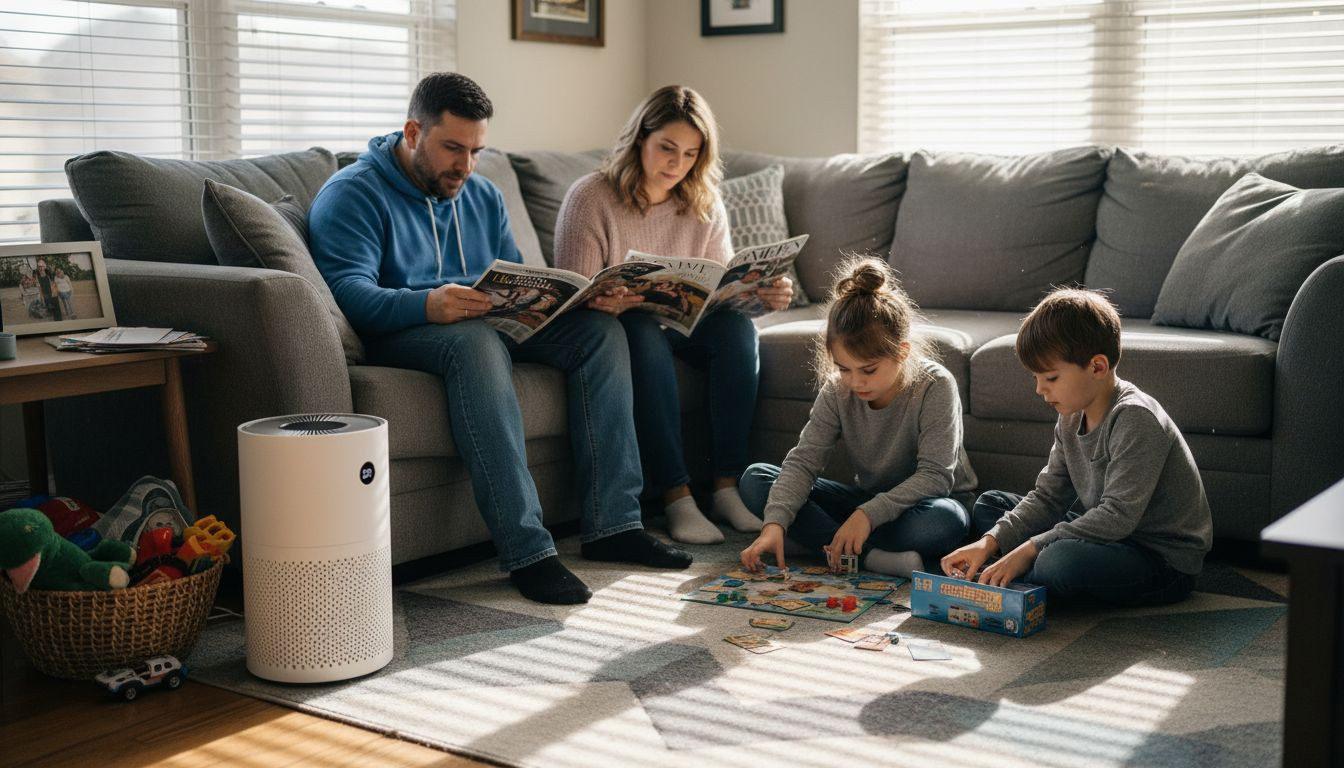
Every parent in an American city knows the feeling of wanting cleaner air and water for their family, especially with young children at home. The quest for a safer environment often leads to confusion about which purification solutions truly deliver wellness benefits. Urban households are now turning to smart purifiers, which combine multi-stage filtration and real-time monitoring for enhanced indoor air quality. This article explains how these technologies work and reveals common myths, giving families practical insight into choosing safer and more effective systems for their homes.
Table of Contents
- Smart Purifiers Defined And Common Myths
- Key Features And How Smart Purifiers Work
- Types Of Smart Purifiers For Home Use
- Real-Time Monitoring And Health Benefits
- Comparing Smart Vs Traditional Purifiers
- Cost, Maintenance, And Practical Considerations
Key Takeaways
| Point | Details |
|---|---|
| Understanding Smart Purifiers | Smart purifiers are advanced air treatment devices using multi-stage filtration and real-time monitoring for improved indoor air quality. |
| Effectiveness and Myths | Not all air purifiers are equally effective; device selection matters significantly for optimal air quality. |
| Comparison with Traditional Purifiers | Smart purifiers offer real-time monitoring and automation, enhancing user experience and effectiveness compared to traditional models. |
| Cost and Maintenance | Although smart purifiers have a higher initial cost, they provide long-term health benefits and require regular maintenance for optimal performance. |
Smart Purifiers Defined and Common Myths
Smart purifiers represent advanced home wellness technologies designed to improve indoor air quality through sophisticated filtration systems. Unlike traditional air cleaning devices, these intelligent systems combine multiple filtration methods with real-time monitoring and adaptive technologies to create healthier living environments.
At their core, smart purifiers are comprehensive air treatment devices that go beyond basic filtration. These systems typically incorporate multiple stages of purification, including:
- HEPA filtration for capturing microscopic particles
- Activated carbon filters to remove odors and chemical pollutants
- UV-C light sanitization to neutralize airborne microorganisms
- Smart sensor technology for continuous air quality tracking
Contrary to popular misconceptions, not all air purification technologies are equally effective. Some air purifiers marketed with ionizing technology may actually produce harmful byproducts like volatile organic compounds (VOCs), undermining their purported health benefits.
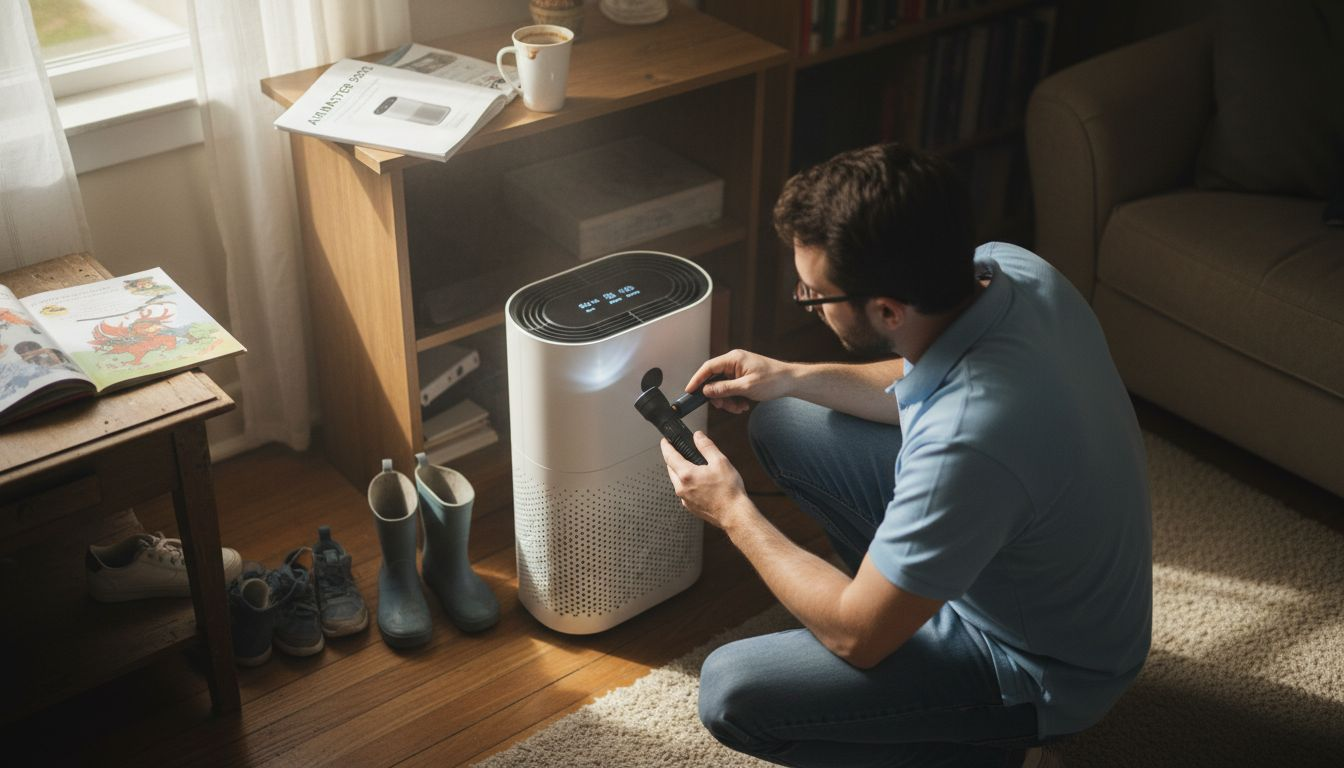
Many consumers mistakenly believe that any air purifier will automatically improve their indoor environment. However, scientific research indicates that device selection matters significantly. HEPA filters are recommended due to their proven ability to capture particulate matter without generating harmful emissions.
Common Myths About Air Purifiers:
- All air purifiers are equally effective
- Electronic air cleaners are always safe
- More expensive means better performance
- One purifier can clean an entire home
Understanding the nuanced technology behind smart purifiers helps families make informed decisions about their indoor air quality management. These devices represent more than simple filtration – they are intelligent systems designed to create healthier living spaces.
Pro tip: Always verify an air purifier’s specific filtration capabilities and independent testing certifications before purchasing to ensure optimal home wellness protection.
Key Features and How Smart Purifiers Work
Smart purifiers represent cutting-edge home wellness technologies that go far beyond traditional air cleaning devices. These advanced systems use multi-stage filtration technologies to create comprehensive indoor air quality management solutions for modern families.
The core functionality of smart purifiers revolves around several sophisticated features:
- HEPA filtration capturing 99.97% of particles 0.3 microns or larger
- Real-time air quality sensors that continuously monitor environmental conditions
- Smartphone connectivity enabling remote monitoring and control
- Multi-stage filtration including activated carbon for odor and gas reduction
- Automatic adjustment of purification levels based on detected pollutants
Smart sensor technology is the cornerstone of these intelligent devices. Sensor technologies detect pollutants and automatically adjust filtration levels, ensuring optimal air quality without constant manual intervention. These sensors can identify various airborne contaminants, including dust, pollen, pet dander, and volatile organic compounds (VOCs).
The operational mechanism of smart purifiers involves complex, layered filtration processes. Initial stages typically involve pre-filters that capture larger particles, followed by HEPA filters targeting microscopic contaminants. Activated carbon layers then neutralize odors and chemical pollutants, while optional UV-C light sanitization helps eliminate potential microorganisms.
Key Performance Metrics for Smart Purifiers:
- Particle capture efficiency
- Air circulation rate
- Coverage area
- Noise level
- Energy consumption
By integrating advanced sensor technologies and multi-stage filtration, smart purifiers provide families with a proactive approach to indoor air quality management. These intelligent systems represent more than simple filtration – they are comprehensive environmental health solutions.
Pro tip: When selecting a smart purifier, prioritize devices with third-party certification and transparent performance metrics to ensure optimal home air quality protection.
Types of Smart Purifiers for Home Use
Smart purifiers for home use come in diverse configurations designed to meet varying household air quality needs. These innovative devices range from compact personal units to comprehensive whole-home systems, each engineered to address specific environmental challenges.
The primary categories of smart purifiers include:
- Portable Room Purifiers
- Ideal for single rooms
- Lightweight and easy to relocate
- Perfect for bedrooms, home offices, and living areas
- Whole-Home HVAC Integrated Systems
- Comprehensive air treatment
- Connected directly to home heating and cooling systems
- Provide complete house air quality management
- Specialized Filtration Purifiers
- HEPA filter models
- Activated carbon filtration systems
- UV-C light sanitization units
Modern smart purifiers distinguish themselves through advanced technological features. Air quality monitoring systems in schools demonstrate the potential of these intelligent devices, with real-time sensors capable of detecting and responding to various pollutant levels automatically.
Key Considerations When Selecting a Smart Purifier:
- Room size and coverage area
- Specific filtration needs
- Noise level
- Smart connectivity options
- Energy efficiency ratings
The evolution of smart purification technology has transformed these devices from simple air filters into sophisticated environmental management systems. Each type offers unique benefits, allowing families to customize their indoor air quality approach based on specific health requirements and living spaces.
Here’s a summary comparing popular types of smart air purifiers for home use:
| Purifier Type | Ideal Location | Filtration Strength | Smart Features |
|---|---|---|---|
| Portable Unit | Bedrooms, offices | Moderate, suitable for small rooms | App control, sensors |
| HVAC Integrated | Entire home | High, covers all rooms | Real-time monitoring |
| Specialized Model | Allergy-prone areas | Targeted for specific contaminants | Automated adjustment |
Pro tip: Measure your room dimensions and identify specific air quality concerns before selecting a smart purifier to ensure maximum effectiveness and optimal performance.
Real-Time Monitoring and Health Benefits
Smart purifiers with advanced monitoring technologies represent a revolutionary approach to indoor environmental management, offering unprecedented insights into air quality and potential health risks. These intelligent devices go beyond simple filtration, providing families with comprehensive data about their indoor atmospheric conditions.
Key Real-Time Monitoring Parameters:
- Temperature variations
- Humidity levels
- Carbon dioxide concentration
- Particulate matter density
- Volatile organic compound (VOC) detection
- Allergen and pollutant tracking
Air quality monitoring systems demonstrate significant potential for improving health outcomes, particularly in sensitive environments like homes with children, elderly individuals, or those with respiratory conditions. The real-time data collection allows for immediate response to emerging air quality challenges.
Health Benefits of Continuous Air Quality Monitoring:
- Early detection of indoor pollutants
- Reduced exposure to harmful airborne particles
- Proactive management of respiratory health risks
- Personalized air quality optimization
- Data-driven wellness strategies
The dynamic nature of these monitoring systems enables automatic filtration intensity adjustments, ensuring optimal air purification throughout changing environmental conditions. By providing instant feedback and actionable insights, smart purifiers transform indoor spaces into actively managed wellness environments.
Pro tip: Position your smart purifier’s sensors in central locations and regularly calibrate them to ensure the most accurate and comprehensive air quality monitoring.
Comparing Smart vs Traditional Purifiers
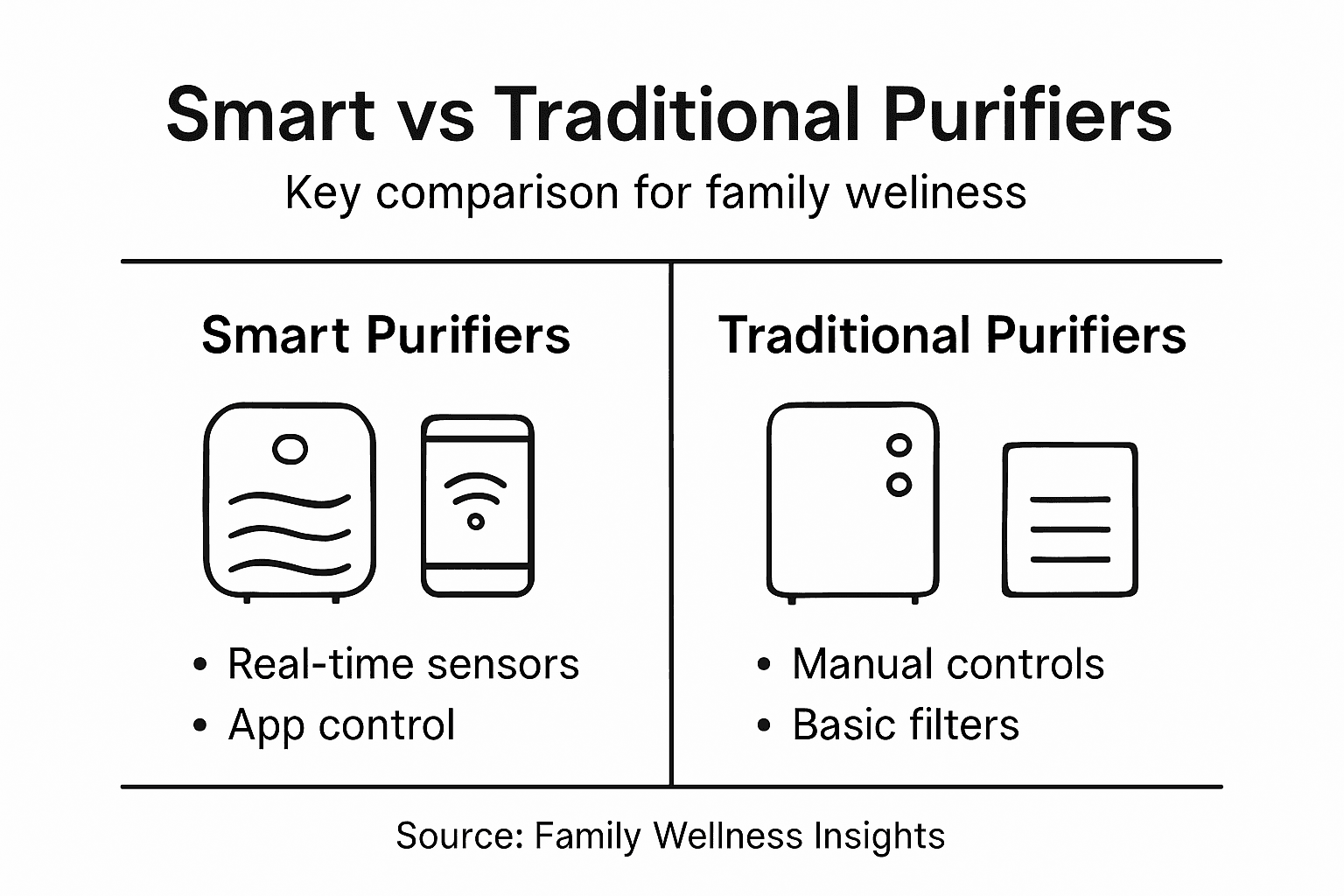
Traditional air purifiers lack advanced monitoring capabilities that modern smart systems provide, representing a significant leap in home air quality management. The fundamental differences extend beyond mere filtration, encompassing technological sophistication and user interaction.
Key Comparative Features:
- Filtration Capability
- Traditional: Basic HEPA filtration
- Smart Purifiers: Multi-stage, adaptive filtration
- Monitoring Technology
- Traditional: Manual operation
- Smart Purifiers: Real-time air quality sensing
- Connectivity
- Traditional: Standalone devices
- Smart Purifiers: Smartphone app integration
- Automation
- Traditional: Fixed filtration settings
- Smart Purifiers: Dynamic adjustment capabilities
Smartphone app controls enhance indoor air management significantly, allowing users unprecedented insights into their environmental conditions. Smart purifiers transform passive air cleaning into an interactive, data-driven wellness experience.
Performance Comparison Metrics:
- Particle detection accuracy
- Pollutant response time
- Energy efficiency
- User convenience
- Long-term health impact
Traditional purifiers operate on static principles, while smart purifiers represent an intelligent ecosystem of air quality management. The ability to track, analyze, and automatically respond to environmental changes sets smart purifiers apart as a comprehensive health technology.
Pro tip: Invest in a smart purifier with comprehensive sensor technology and third-party certification to ensure maximum air quality improvement and health protection.
Cost, Maintenance, and Practical Considerations
Smart air purifiers represent a significant investment in family wellness with upfront costs typically higher than traditional models. Understanding the long-term value requires a comprehensive analysis of initial expenses, ongoing maintenance, and potential health benefits.
Cost Breakdown Factors:
- Initial Purchase Price
- Traditional purifiers: Lower upfront cost
- Smart purifiers: Higher initial investment
- Maintenance Expenses
- Filter replacement frequency
- Energy consumption
- Connectivity and app services
- Long-Term Value Considerations
- Potential healthcare savings
- Improved indoor air quality
- Extended device lifespan
Routine maintenance remains crucial for optimal performance and requires consistent attention. Most smart purifiers demand filter replacements every 6-12 months, with costs varying based on specific model and filtration complexity.
Practical Maintenance Considerations:
- Regular filter replacement schedules
- Energy efficiency ratings
- Noise level assessments
- Room size compatibility
- Warranty and service options
The economic perspective extends beyond immediate costs, encompassing potential health benefits and reduced medical expenses associated with improved indoor air quality. Smart purifiers offer a proactive approach to environmental health management, potentially offsetting their higher initial investment.
Compare the practical considerations and long-term value of smart vs traditional purifiers:
| Factor | Smart Purifier | Traditional Purifier |
|---|---|---|
| Upfront Cost | Higher initial investment | Lower purchase price |
| Maintenance Needs | Regular sensor calibration, app updates | Basic filter changes |
| Total Lifetime Value | Potential health savings, advanced analytics | Limited impact, few insights |
| User Experience | Intuitive, data-driven control | Simple manual operation |
Pro tip: Calculate total ownership costs by considering filter replacement prices, energy consumption, and potential healthcare savings when selecting a smart purifier.
Enhance Your Family’s Wellness with Smart Purifiers from Coway
The article highlights the crucial need for effective indoor air quality management to protect your loved ones from pollutants, allergens, and harmful particles. If you are seeking advanced multi-stage filtration, real-time monitoring, and smart automation to create a healthier home environment, Coway offers reliable solutions that align perfectly with these goals. From HEPA filters and activated carbon systems to UV sanitization, our air purifiers are designed to tackle the challenges described and support your family’s respiratory health.
Experience the difference of smart purification technology with trusted products that bring precise control and continuous air quality improvements right inside your home. Discover our range of smart air purifiers and complementary water filtration systems crafted for comprehensive wellness. Explore how Coway combines innovation with ease of use and expert service to deliver safer spaces today.
Ready to take control of your indoor air quality? Visit Coway Water Purifier to explore our carefully curated selection. Learn more about our Uncategorized Archives – Coway Water Purifier to find expert insights and product details. Start your journey toward a cleaner, healthier home environment now.
Frequently Asked Questions
What are smart purifiers and how do they work?
Smart purifiers are advanced air treatment devices that improve indoor air quality through multi-stage filtration systems and real-time monitoring. They use HEPA filters, activated carbon, UV-C light, and smart sensors to continuously track and adapt to air quality changes.
How do smart purifiers differ from traditional air purifiers?
Smart purifiers have advanced monitoring capabilities, real-time air quality sensing, and the ability to automatically adjust filtration levels. In contrast, traditional purifiers typically operate on fixed settings and lack connectivity and data-driven features.
What are the key benefits of using a smart purifier for family wellness?
Smart purifiers offer numerous benefits, including real-time air quality monitoring, proactive pollution management, personalized air optimization, and better tracking of allergens and pollutants, leading to improved respiratory health and overall wellness for families.
How should I choose the right smart purifier for my home?
When selecting a smart purifier, consider factors such as room size, specific filtration needs, noise levels, smart connectivity options, and energy efficiency ratings. Choosing a model with third-party certifications can also ensure optimal performance and safety.
Recommended
- 7 Key Benefits of Air Purifiers for Urban Homeowners – Coway Water Purifier
- Health Benefits of Air and Water Purification at Home – Coway Water Purifier
- 7 Key Advantages of Air Purification for Homeowners – Coway Water Purifier
- Understanding Why Maintenance Matters for Purifiers – Coway Water Purifier
