
Uncategorized
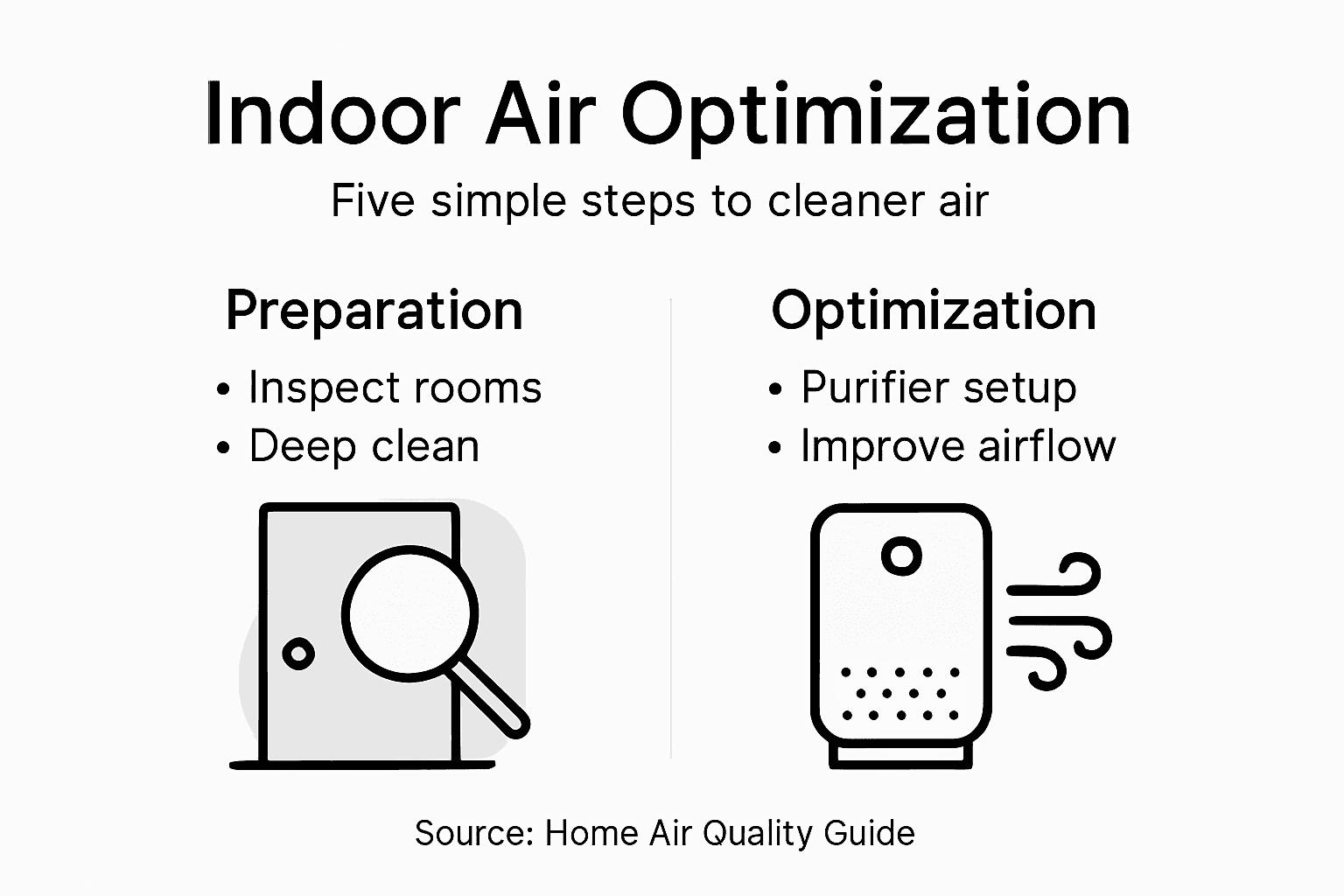
Indoor Air Optimization Process for Healthier Homes
Jan
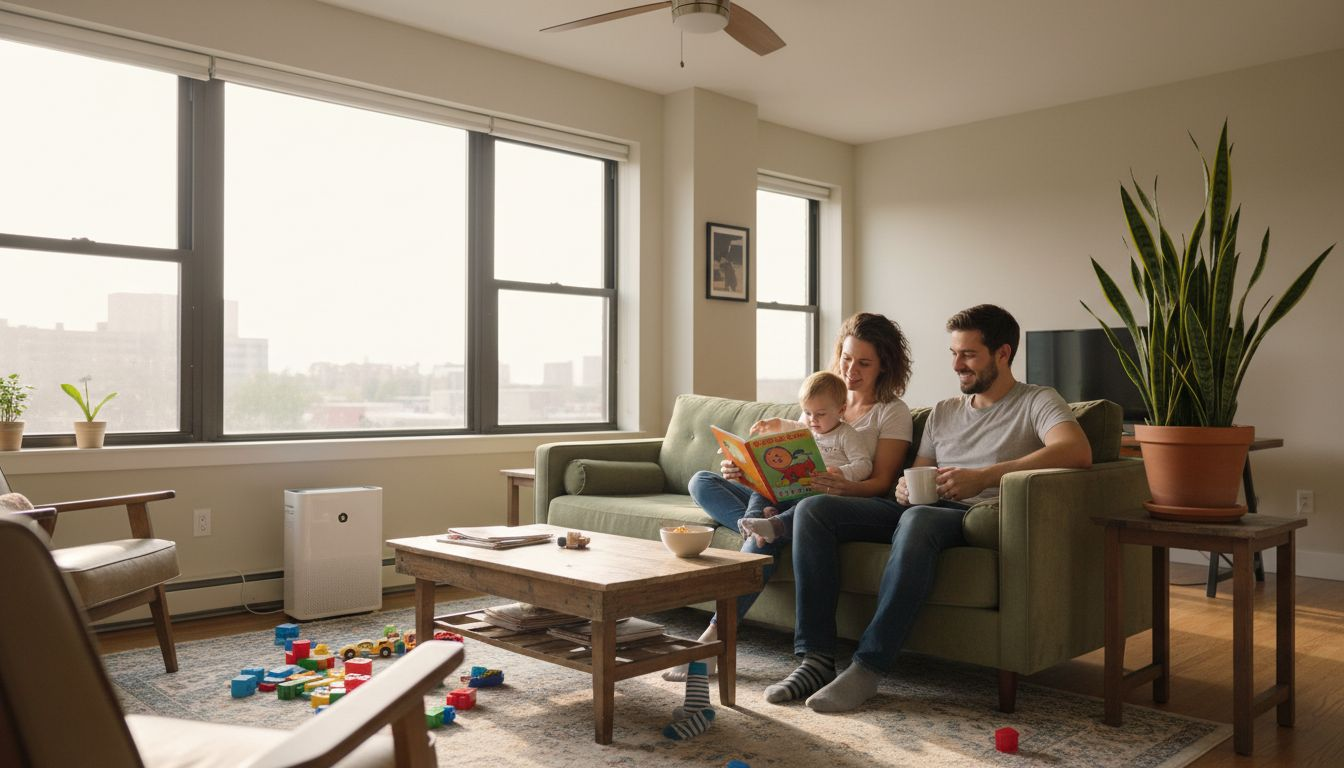
Over half of American homes contain indoor air pollutant levels that can be two to five times higher than outdoor air. For families with young children, this means a greater risk of allergies, asthma flare-ups, and sleep problems right where you should feel safest. Prioritizing cleaner air is more than a wellness trend—it is a practical way to protect what matters most. Here you will discover clear steps to make your home’s air safer for every member of your household.
Table of Contents
- Step 1: Prepare Your Home for Air Optimization
- Step 2: Assess and Reduce Sources of Indoor Pollution
- Step 3: Install and Configure Air Purification Systems
- Step 4: Optimize Ventilation and Circulation
- Step 5: Verify Air Quality Improvements
Quick Summary
| Key Point | Explanation |
|---|---|
| 1. Inspect Your Home Thoroughly | Check carpets, furniture, and moisture-prone areas to identify pollution sources in your living spaces. |
| 2. Use Effective Cleaning Methods | Vacuum with HEPA filters and wash bedding regularly to reduce allergens and improve air quality. |
| 3. Prioritize Air Purifier Selection | Choose purifiers with true HEPA filters and place them strategically to maximize air circulation. |
| 4. Enhance Natural Ventilation Strategies | Open windows for cross ventilation and use fans to promote airflow while preventing stagnation. |
| 5. Regularly Monitor Air Quality | Use an air quality monitor to track improvements and maintain optimal indoor conditions effectively. |
Step 1: Prepare Your Home for Air Optimization
Transforming your home’s indoor air quality requires strategic planning and targeted actions. The goal is creating an environment that minimizes pollutants and maximizes clean air circulation, starting with a comprehensive home assessment.
Begin by conducting a thorough inspection of your living spaces. Indoor air quality strategies recommend systematically examining potential pollution sources like carpets, upholstered furniture, and areas prone to moisture accumulation. Pay special attention to frequently overlooked spaces such as basements, crawl spaces, and areas near windows where condensation might develop. Remove any visible mold patches, address water leaks immediately, and consider using dehumidifiers in consistently damp regions.
Your cleaning approach matters significantly. Use vacuum cleaners equipped with HEPA filters to capture microscopic particles effectively. Wash bedding weekly in hot water to eliminate dust mites, and consider replacing carpets with hard surface flooring which accumulates fewer allergens. Regular maintenance of ventilation systems, including replacing air filters every three months, will dramatically improve overall air quality.
Pro tip: Keep a log tracking your air quality improvement efforts to monitor progress and identify persistent problem areas.
Step 2: Assess and Reduce Sources of Indoor Pollution
Identifying and minimizing indoor pollution sources requires a systematic and comprehensive approach to protecting your home environment. Your goal is to pinpoint potential contaminant origins and develop targeted strategies for reduction.
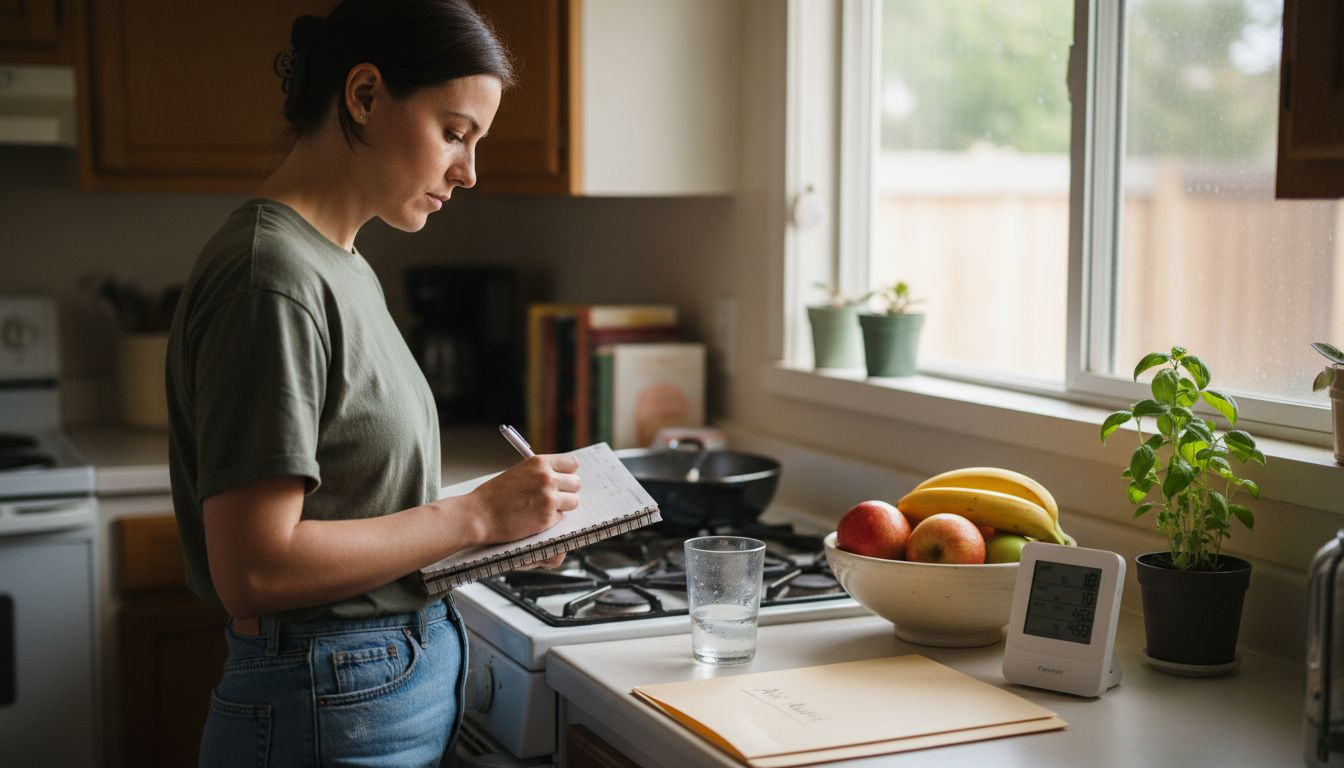
Movement patterns impact particulate levels throughout indoor spaces, making it crucial to understand how daily activities can resuspend trapped pollutants. Common sources include cooking appliances, cleaning chemicals, furniture materials, and everyday household activities that release microscopic particles. Focus on high-risk areas like kitchens, where gas stoves and cooking processes generate significant air pollution, and living spaces with frequent fabric and carpet surfaces that trap dust and allergens.
Addressing indoor pollution demands a multifaceted strategy. Prioritize improved ventilation by opening windows regularly, using exhaust fans, and maintaining consistent air circulation. Replace carpets with hard flooring when possible, choose low volatile organic compound (VOC) paints and furnishings, and invest in high quality air purification systems. Regular cleaning using HEPA filtered vacuums, minimizing chemical cleaning products, and controlling humidity levels will dramatically reduce potential pollution sources.
Here’s a comparison of common indoor pollutant sources and reduction strategies:
| Pollution Source | Typical Impact on Air Quality | Targeted Reduction Strategy |
|---|---|---|
| Carpets and Rugs | Trap dust and allergens | Replace with hard flooring |
| Cooking Appliances | Release particulate matter | Use exhaust fans, open windows |
| Cleaning Chemicals | Generate VOCs | Switch to low-VOC products |
| Moisture-Prone Areas | Encourage mold growth | Use dehumidifiers, fix leaks |
| Upholstered Furniture | Hold pet dander, dust mites | Vacuum with HEPA filter, clean often |
Pro tip: Conduct a monthly indoor air quality audit by tracking potential pollution sources and their impact on your living environment.
Step 3: Install and Configure Air Purification Systems
Successfully integrating an air purification system requires careful planning and strategic implementation to maximize indoor air quality and protection for your household. Your objective is to select, position, and configure a system that effectively removes contaminants and ensures healthy breathing environments.
Residential air purification standards provide critical guidance for selecting and installing effective air cleaning devices. Begin by measuring your room dimensions to determine the appropriate unit size. High traffic areas like living rooms and bedrooms typically require larger capacity purifiers with comprehensive filtration capabilities. Focus on units featuring true HEPA filters capable of capturing particles as small as 0.3 microns, which effectively remove dust, pollen, pet dander, and microscopic pollutants.
Proper installation involves strategic positioning to maximize air circulation. Place your air purifier in central locations away from walls, ensuring at least 12 inches of clearance around the unit for optimal airflow. Avoid positioning near curtains, furniture, or electronic devices that might obstruct performance. Configure the device to run continuously on medium or low settings to maintain consistent air quality. Replace filters according to manufacturer recommendations typically every three to six months, depending on usage and environmental conditions.
Pro tip: Monitor your air purifier performance using built in air quality indicators and schedule filter replacements based on manufacturer recommended maintenance intervals.
Step 4: Optimize Ventilation and Circulation
Creating an effective indoor air circulation strategy involves understanding and implementing systematic approaches that promote healthy airflow throughout your living spaces. Your primary goal is to establish consistent air movement that reduces stagnation and removes potential contaminants.
Natural ventilation principles demonstrate how strategic window and door positioning can dramatically improve indoor air quality. Focus on creating cross ventilation by opening windows on opposite sides of your home to encourage air movement. During moderate weather conditions, aim to generate a natural airflow by opening windows for 10 to 15 minutes twice daily. In bedrooms and living areas, position fans to complement natural wind patterns and enhance air circulation. Ceiling fans rotating counterclockwise during warmer months and clockwise during cooler months can help distribute air more effectively.
Consider mechanical ventilation systems for homes with limited natural airflow options. Install exhaust fans in high moisture areas like bathrooms and kitchens to remove humid air and potential pollutants. Regularly clean ventilation system components including air ducts, vent covers, and fan blades to prevent dust and debris accumulation. Maintain consistent indoor humidity levels between 30 to 50 percent to discourage mold growth and support optimal respiratory health.
Pro tip: Use a portable indoor air quality monitor to track ventilation effectiveness and identify areas requiring additional circulation strategies.
Step 5: Verify Air Quality Improvements
Assessing the effectiveness of your indoor air optimization efforts requires systematic tracking and measurement to ensure meaningful health benefits. Your goal is to develop a comprehensive approach for monitoring and validating air quality improvements across your living environment.
Air quality monitoring resources provide critical tools for tracking indoor environmental changes. Invest in a reliable indoor air quality monitor capable of measuring particulate matter, humidity levels, volatile organic compounds, and carbon dioxide concentrations. Compare measurements before and after implementing your air optimization strategies to quantify actual improvements. Record data points consistently over several weeks to establish reliable trend analysis. Pay special attention to specific metrics like PM2.5 levels, which indicate the concentration of fine particulate matter that can significantly impact respiratory health.
Develop a structured evaluation process by creating a comprehensive air quality log. Document key parameters such as filter replacement dates, ventilation modifications, and corresponding air quality measurements. Consider using smartphone applications that can sync with your air quality monitoring devices to provide real time tracking and historical data visualization. Schedule quarterly comprehensive assessments to ensure ongoing maintenance and continued air quality enhancement. Professional indoor air quality testing services can provide additional validation and detailed analysis of your home environment.
This summary table highlights key air quality metrics for ongoing monitoring:
| Metric | Ideal Range/Status | Importance for Air Optimization |
|---|---|---|
| PM2.5 Level | Below 12 µg/m³ | Indicates fine particulates in air |
| Humidity Level | 30–50% | Prevents mold, supports respiratory health |
| VOC Concentration | As low as possible | Limits chemical exposure risk |
| CO2 Level | Below 1000 ppm | Signals ventilation effectiveness |
Pro tip: Calibrate your air quality monitoring devices annually and maintain a digital record of all measurements to track long term improvements effectively.
Enhance Your Home’s Air Quality with Trusted Solutions
The article highlights the vital challenge of reducing indoor pollution and optimizing air circulation to protect your family’s health. You understand the importance of removing fine particles, controlling humidity, and maintaining clean breathing spaces. If you are ready to move beyond theory and take real action to improve your home environment, choosing the right air purification system is essential.
Explore the best selections of advanced air purifiers and water filtration units that combine powerful filtration technology and reliable performance on Uncategorized Archives – Coway Water Purifier. These products are engineered to capture microscopic pollutants including dust, allergens, and volatile organic compounds while ensuring safe, fresh air.
Start your journey toward a healthier home today by visiting https://cowayswaterpurifier.com. Benefit from comprehensive services such as free delivery, expert installation, and ongoing maintenance to keep your environment clean year-round. Don’t wait to breathe easier and live better — explore products that deliver real air quality improvements now.
Frequently Asked Questions
How can I assess my home’s air quality?
To assess your home’s air quality, start by conducting a thorough inspection of living spaces to identify potential pollution sources. Use an indoor air quality monitor to measure levels of particulate matter and humidity, aiming to track changes over a few weeks after implementing air optimization strategies.
What steps can I take to reduce indoor pollution?
To reduce indoor pollution, identify high-risk areas like kitchens and living spaces, and improve ventilation by opening windows and using exhaust fans. Additionally, switch to low volatile organic compound (VOC) products and maintain humidity levels between 30-50% to minimize mold growth and allergens.
How should I choose an air purification system?
Choose an air purification system based on your room size and the specific pollutants you want to target. Look for units with true HEPA filters and position them centrally in each room to maximize airflow, running them continuously on medium settings to maintain consistent air quality.
What maintenance is required for my air purification system?
Regularly maintain your air purification system by replacing filters based on the manufacturer’s recommendations, typically every three to six months. Monitor the performance of your air purifier using built-in air quality indicators to ensure it is effectively removing contaminants.
How can I verify improvements in my indoor air quality?
Verify improvements by keeping a comprehensive air quality log that tracks measurements such as PM2.5 levels and humidity. Aim to conduct quarterly assessments, documenting any changes in data to evaluate the effectiveness of your indoor air optimization efforts.
What should I do if I still notice air quality issues?
If you notice persistent air quality issues, re-evaluate your initial assessment and check for any overlooked pollution sources or inadequate ventilation. Consider increasing the frequency of your cleaning routines and consulting a professional for comprehensive indoor air quality testing.
Recommended
- How to Assess Indoor Air Quality Effectively at Home – Coway Water Purifier
- Indoor Air Quality: Everything You Need to Know – Coway Water Purifier
- Why Filter Indoor Air: Complete Guide for Homeowners – Coway Water Purifier
- Indoor Air Quality: Everything You Need to Know – Coway Water Purifier
- Comprehensive Wellness: Transforming Whole-Body Health
