
Uncategorized
Plumbed-In Water Filtration – Reliable Clean Water at Home
Dec
Nearly 90 percent of American homes rely on some form of treated water, yet many families are still exposed to unwanted contaminants each day. Clean water is not just about taste or clarity, it is essential for health and peace of mind in every household. Discover how plumbed-in water filtration offers a powerful solution by delivering consistently safe water straight from the tap, making it easier for American families to enjoy greater confidence in every glass.
Table of Contents
- Plumbed-In Water Filtration Explained Clearly
- Comparing System Types And Key Differences
- How Plumbed-In Water Filters Work
- Installation, Maintenance, And Daily Use Requirements
- Costs, Risks, And Common Pitfalls
Key Takeaways
| Point | Details |
|---|---|
| Comprehensive Filtration | Plumbed-in systems provide reliable water purification, removing contaminants at the source before reaching your tap. |
| System Types | Choosing the right filtration system depends on your specific needs, such as water quality issues, budget, and installation constraints. |
| Professional Installation | Hiring a certified plumber is essential for optimal setup and long-term performance of water filtration systems. |
| Regular Maintenance | Routine inspections and timely filter replacements are critical in ensuring water quality and system efficiency over time. |
Plumbed-In Water Filtration Explained Clearly
Plumbed-in water filtration systems represent a sophisticated approach to ensuring clean, safe drinking water directly from your home’s main water supply. Unlike countertop or pitcher filters, these integrated systems connect permanently to your home’s water lines, providing comprehensive filtration at the point of entry or point of use. Comprehensive water treatment technologies offer homeowners a reliable method to remove contaminants before they reach your drinking glass.
The core functionality of plumbed-in water filtration involves strategically placed filtration units that intercept water as it flows through your pipes. These systems typically utilize multiple filtration stages, including sediment filters, activated carbon filters, and sometimes advanced technologies like reverse osmosis or ultraviolet purification. By targeting different types of contaminants such as chlorine, heavy metals, bacteria, and microplastics, these systems ensure that every drop of water meets stringent quality standards.
Homeowners benefit from plumbed-in filtration through consistent water quality, reduced maintenance compared to standalone filters, and long-term cost savings. Advanced drinking water treatment systems demonstrate that integrated filtration can remove up to 99% of potential water impurities, providing peace of mind about your household’s water consumption. These systems are particularly valuable in areas with known water quality challenges or for families prioritizing health and wellness.
Pro Tip – Professional Installation: Always hire a certified plumber with experience in water filtration system installation to ensure proper connection, optimal performance, and maintenance of your plumbed-in water filtration system.
Comparing System Types and Key Differences
When exploring plumbed-in water filtration systems, homeowners encounter several distinct approaches, each with unique characteristics and performance capabilities. Water treatment system comparisons reveal critical differences in filtration technologies that can significantly impact water quality and household needs. The primary system types include point-of-entry (whole-house) systems, point-of-use systems, under-sink filters, and integrated multi-stage filtration units.
Point-of-entry systems intercept water at the main supply line, treating all water entering the home, while point-of-use systems focus on specific outlets like kitchen sinks or refrigerator lines. Under-sink filters provide targeted filtration for drinking and cooking water, typically utilizing more intensive purification methods such as reverse osmosis or multi-stage carbon filtration. Advanced drinking water treatment systems demonstrate that each approach offers distinct advantages depending on specific water quality challenges and household requirements.
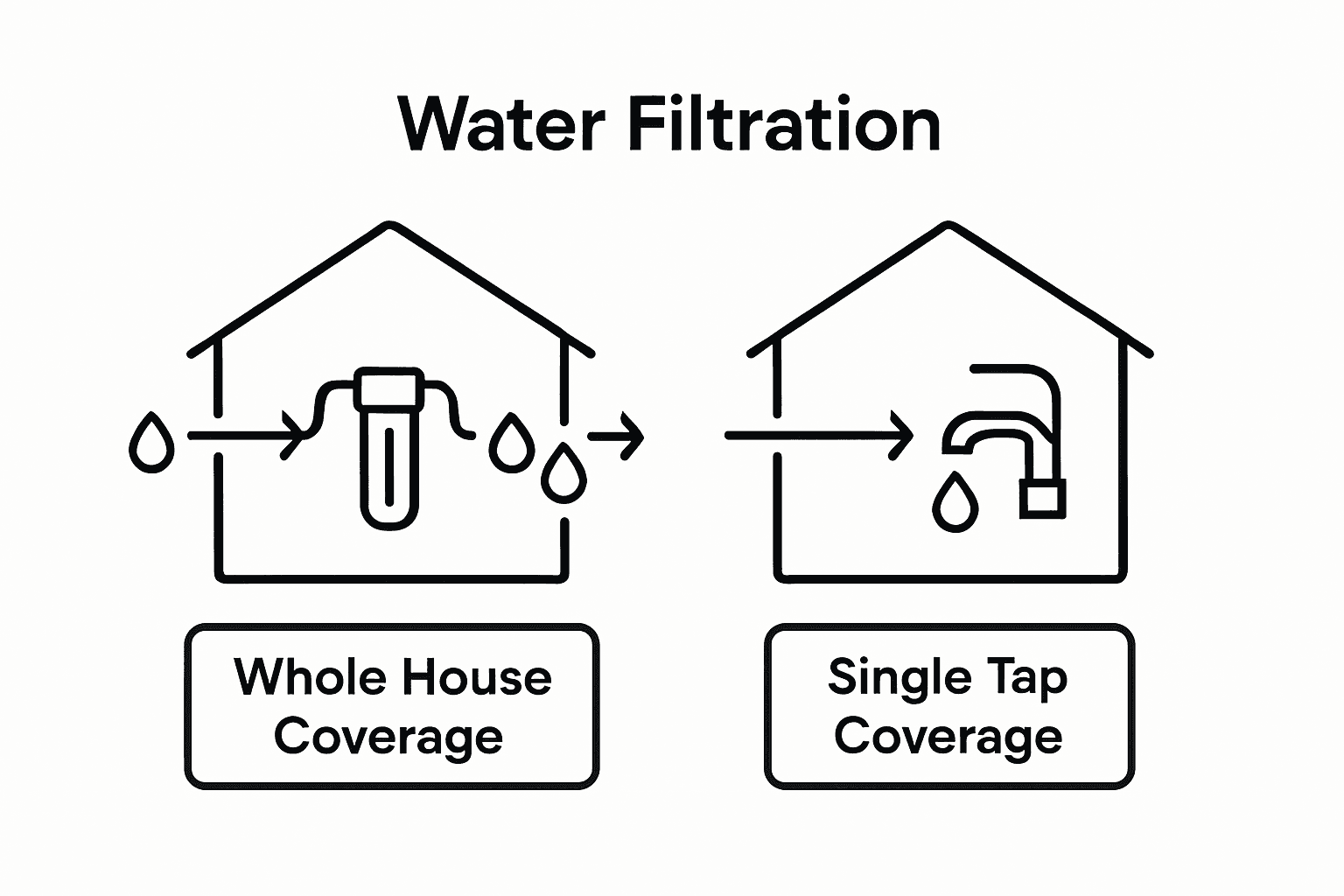
The selection between these systems depends on several key factors, including local water composition, contaminant types, budget, and specific health concerns. Whole-house systems provide comprehensive protection but come with higher initial costs, while under-sink models offer more targeted and often more advanced filtration at a lower price point. Some homeowners opt for hybrid approaches, combining multiple filtration technologies to address complex water quality issues and ensure maximum purification across different water usage points.
Here is a comparison of common plumbed-in water filtration systems:
| System Type | Filtration Coverage | Typical Technologies | Estimated Cost Range |
|---|---|---|---|
| Point-of-Entry | Entire home | Sediment, carbon, UV | $800 – $2,500+ |
| Point-of-Use | Specific faucets or lines | Carbon, reverse osmosis | $150 – $600 |
| Under-Sink | Drinking/cooking water | Multi-stage, reverse osmosis | $200 – $800 |
| Integrated Multi-Stage | Multiple usage points | Sediment, carbon, RO, UV | $500 – $1,500 |
Pro Tip – Comprehensive Assessment: Before selecting a water filtration system, conduct a professional water quality test to precisely identify the specific contaminants in your water supply, enabling you to choose the most appropriate filtration technology for your home.
How Plumbed-In Water Filters Work
Plumbed-in water filters operate through a sophisticated multi-stage filtration process designed to remove contaminants systematically and efficiently. Water filtration operational principles reveal a complex system of mechanical and chemical filtration techniques that work together to purify water before it reaches your tap. The typical filtration journey begins with a sediment pre-filter that captures larger particles like sand, rust, and debris, preventing these materials from damaging subsequent filtration components.
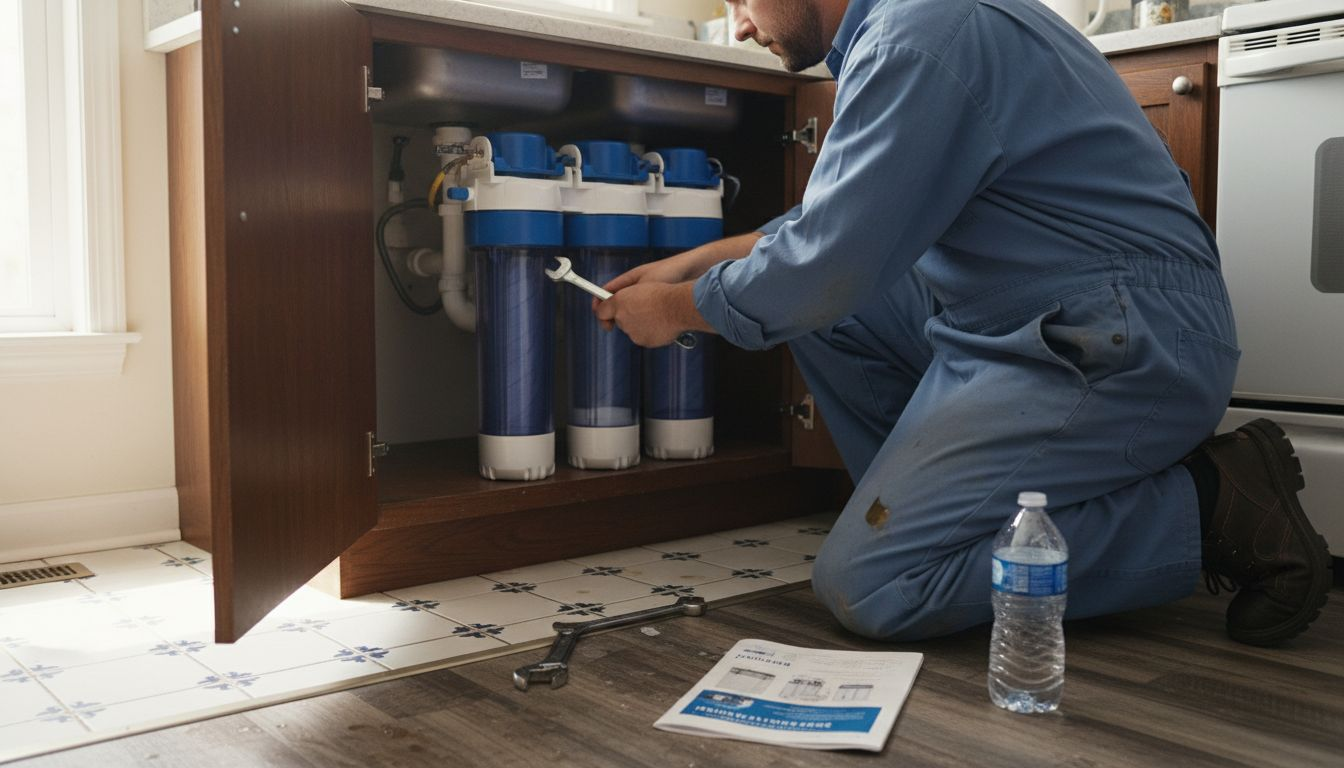
Subsequent filtration stages typically involve activated carbon filters, which play a crucial role in removing chlorine, volatile organic compounds, and improving water taste and odor. More advanced systems incorporate additional technologies such as reverse osmosis membranes or ultraviolet purification to address specific contaminant concerns. Drinking water treatment system technologies demonstrate how these sophisticated filters can remove microscopic impurities, including heavy metals, bacteria, and chemical residues that traditional filtration methods might miss.
The filtration process is designed to be continuous and automatic, with water passing through multiple filter stages under controlled pressure. Precision-engineered filter cartridges trap progressively smaller contaminants, with each stage targeting specific types of impurities. Some advanced systems incorporate smart monitoring technologies that track filter performance, water quality, and provide alerts when replacement or maintenance is required. This ensures consistent water quality and helps homeowners maintain optimal filtration efficiency over time.
Pro Tip – Filter Maintenance: Schedule regular professional inspections and replace filter cartridges according to manufacturer recommendations to maintain peak water filtration performance and ensure consistent water quality throughout your home.
Installation, Maintenance, and Daily Use Requirements
Water treatment system installation guidelines emphasize the critical importance of professional installation for plumbed-in water filtration systems. Proper installation requires specialized plumbing knowledge, precise measurements, and understanding of your home’s specific water infrastructure. Homeowners should anticipate a comprehensive process that involves assessing water pressure, identifying optimal connection points, and ensuring compatibility with existing plumbing systems. This typically includes shutting off primary water lines, creating precise connections, and calibrating the filtration system to match your household’s specific water usage patterns.
Maintenance represents a crucial aspect of ensuring long-term performance and water quality. Drinking water treatment system upkeep recommends establishing a consistent maintenance schedule that includes regular filter replacements, system inspections, and performance monitoring. Most plumbed-in water filtration systems require filter cartridge replacements every 6-12 months, depending on water quality and usage levels. Advanced systems often incorporate digital monitoring technologies that track filter efficiency, water flow rates, and potential maintenance requirements, providing homeowners with real-time insights into their water filtration performance.
Daily use of plumbed-in water filtration systems is designed to be seamless and intuitive. Once installed, these systems operate automatically, continuously filtering water without requiring manual intervention. Homeowners should periodically check system indicators, monitor water taste and clarity, and remain attentive to any changes in water pressure or filtration performance. Some systems include diagnostic features that provide alerts about filter condition, potential maintenance needs, or detected water quality issues, empowering users to take proactive steps in maintaining their water filtration infrastructure.
Pro Tip – Performance Tracking: Maintain a digital or physical log of filter replacement dates, professional inspection records, and any observed water quality changes to help track your system’s long-term performance and identify potential maintenance needs early.
Costs, Risks, and Common Pitfalls
Water treatment system cost analyses reveal that plumbed-in water filtration systems represent a significant financial investment with long-term economic implications. Initial installation costs can range from $500 to $2,500, depending on system complexity, home infrastructure, and filtration technology. Homeowners should anticipate additional expenses including professional installation fees, which typically run between $200 and $500, and ongoing maintenance costs for filter replacements averaging $100 to $300 annually. These upfront and recurring expenses must be weighed against the potential health benefits and long-term savings from improved water quality.
Drinking water treatment system risks highlight several critical potential pitfalls that homeowners must carefully consider. Improper installation can lead to water pressure issues, system inefficiency, or potential contamination. Common risks include inadequate filter maintenance, which can result in reduced filtration effectiveness, bacterial growth, or reintroduction of contaminants. Some homeowners mistakenly believe that installing a filtration system eliminates all water quality concerns, potentially overlooking the importance of regular professional inspections and timely filter replacements.
Technical challenges and compatibility issues represent another significant consideration for plumbed-in water filtration systems. Different water chemistries, varying household water pressures, and specific contaminant profiles can impact system performance. Homeowners must carefully assess their specific water quality through professional testing, ensuring the selected filtration system matches their unique water characteristics. Additionally, complex installation requirements may necessitate modifications to existing plumbing, potentially increasing overall project costs and complexity.
Pro Tip – Financial Planning: Create a dedicated maintenance budget for your water filtration system, setting aside funds for annual filter replacements and potential professional inspections to prevent unexpected financial surprises and ensure consistent water quality.
Here is an overview of key maintenance and risk considerations for plumbed-in filtration systems:
| Aspect | Typical Requirements | Potential Problems |
|---|---|---|
| Filter Replacement | Every 6–12 months | Reduced quality, bacterial risk |
| Professional Inspections | Annually recommended | Missed leaks, efficiency loss |
| Monitoring/Warranties | Use system alerts, keep records | Voided warranties, missed alerts |
| Installation Quality | Use certified plumbers | Leaks, poor filtration |
Experience Reliable Clean Water with Coway Plumbed-In Solutions
Ensuring your home has consistently pure and safe water is a top priority, especially when facing challenges like unknown contaminants or complex water quality issues. This article highlights the importance of professional installation, multi-stage filtration, and ongoing maintenance to protect your household. At Coway Water Purifier, we understand these concerns and offer water filtration systems that bring advanced technology right to your taps with ease and reliability.
Discover our wide range of filtration options designed to fit your unique needs from under-sink purifiers to full-capacity units. Benefit from features like UV sanitization and smart monitoring that take the guesswork out of maintaining your water quality. Visit our Uncategorized Archives – Coway Water Purifier to explore detailed product descriptions and real customer experiences. Act now to secure your home’s health with expert installation and ongoing support from Coway. Visit https://cowayswaterpurifier.com and get started on your journey to worry-free clean water today.
Frequently Asked Questions
What is a plumbed-in water filtration system?
A plumbed-in water filtration system is a permanent water purification system that connects directly to your home’s main water supply, providing continuous filtration for clean drinking water at the point of entry or point of use.
How does a plumbed-in water filtration system work?
These systems typically employ a multi-stage filtration process involving various technologies such as sediment filters, activated carbon filters, and sometimes advanced methods like reverse osmosis to remove contaminants from drinking water effectively.
What are the benefits of installing a plumbed-in water filtration system?
Benefits include consistent water quality, reduced maintenance compared to standalone filters, long-term cost savings, and comprehensive contaminant removal, making them ideal for families prioritizing health and wellness.
How often do I need to maintain or replace filters in my plumbed-in system?
Most plumbed-in water filtration systems require filter replacements every 6-12 months, along with regular inspections and performance monitoring to ensure optimal filtration efficiency.
Recommended
- 7 Benefits of Water Filtration for Your Home and Health – Coway Water Purifier
- Complete Guide to Why Choose Under-Sink Purifiers – Coway Water Purifier
- Complete Guide to Under Sink Filtration Systems – Coway Water Purifier
- 7 Essential Types of Water Filters for Every Home – Coway Water Purifier
- 6 Types of Solar Water Heater Explained for UK Homes – Skan Plumbing & Heating
