
Uncategorized
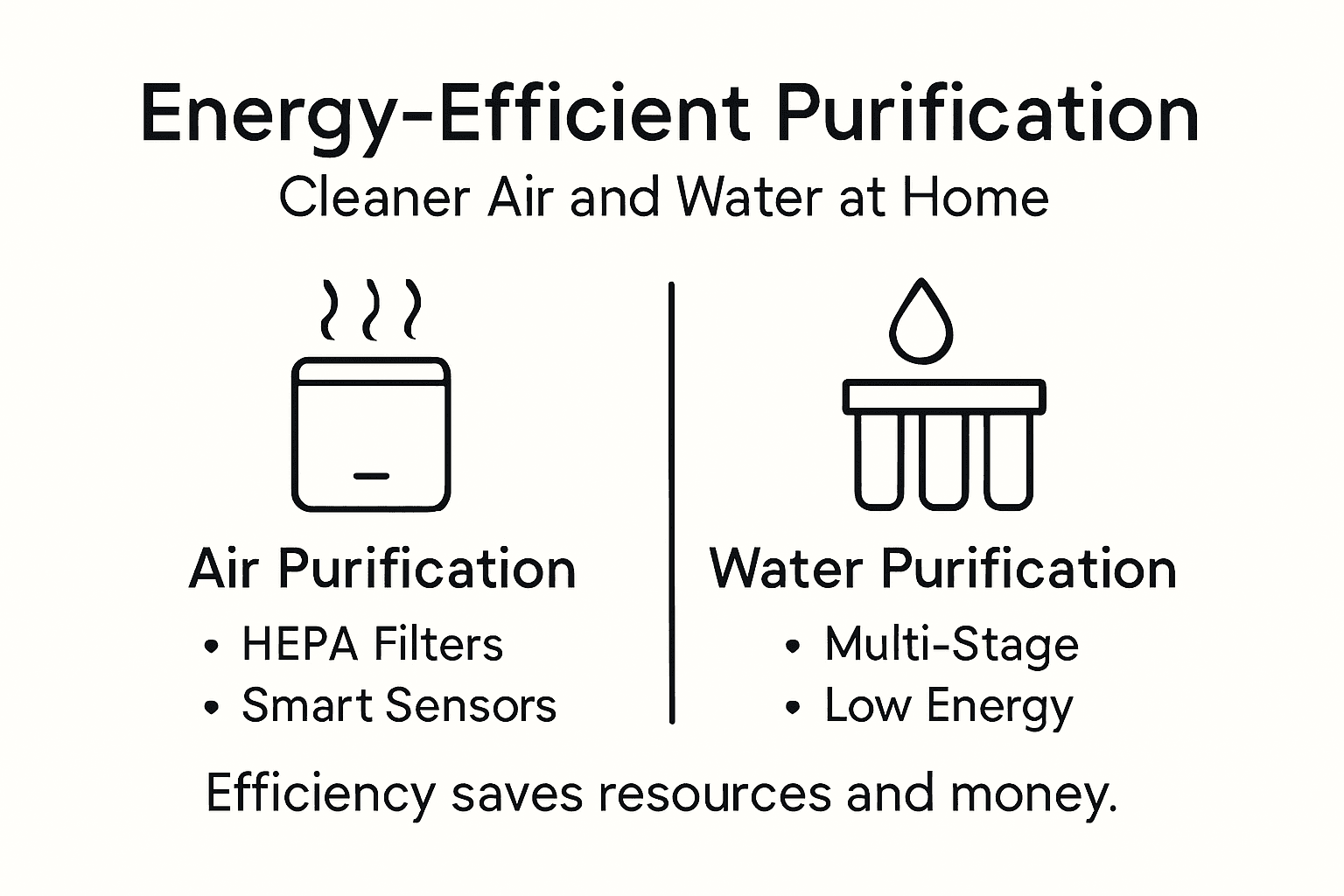
Energy-Efficient Purification: Cleaner Air and Water at Home

Jan
Choosing the right purification system can feel confusing when every product promises cleaner water and fresher air. Health-focused families across the United States know that basic filtration alone is not enough for true wellness at home. Energy-efficient technologies now allow American homeowners to maximize indoor quality and save resources. Discover how these smart solutions create a comfortable environment while supporting your family’s wellbeing.
Table of Contents
- Defining Energy-Efficient Purification Methods
- Types of Purification Systems for Homes
- How Energy-Saving Purification Technology Works
- Costs, Savings, and Environmental Impact
- Regulatory Requirements and Common Pitfalls
Key Takeaways
| Point | Details |
|---|---|
| Energy Efficiency in Purification | Energy-efficient purification methods reduce resource consumption while enhancing water and air quality through optimal filtration. |
| Types of Home Systems | Homeowners can choose from various purification systems such as Reverse Osmosis and Activated Carbon Filters to suit their specific needs. |
| Financial and Environmental Benefits | Investing in energy-efficient technologies lowers utility bills and contributes to environmental sustainability by reducing carbon emissions. |
| Regulatory Compliance | Understanding and adhering to regulatory standards is crucial for ensuring the performance and efficiency of purification systems. |
Defining Energy-Efficient Purification Methods
Energy-efficient purification represents a sophisticated approach to improving water and air quality while minimizing resource consumption. At its core, this method focuses on delivering optimal filtration performance using minimal energy inputs. Emerging technologies in water purification are increasingly designed to reduce environmental impact and operational costs.
The fundamental principles of energy-efficient purification encompass several critical strategies:
- Reducing overall energy consumption during filtration processes
- Utilizing advanced materials that improve filtration efficiency
- Implementing smart automation and control systems
- Minimizing chemical dependencies in purification techniques
- Optimizing system design for maximum performance with minimal resources
Understanding energy efficiency goes beyond simple resource reduction. Energy-efficient technologies transform how we approach purification by creating systems that deliver superior results while consuming less power. These methods represent a holistic approach to environmental sustainability, addressing both immediate filtration needs and long-term ecological considerations.
Technological innovations are driving significant improvements in purification methodologies. Modern systems integrate advanced sensors, intelligent monitoring, and adaptive filtration techniques that dynamically adjust energy usage based on real-time contamination levels. Energy efficiency strategies demonstrate that reducing energy consumption doesn’t mean compromising performance – instead, it means smarter, more responsive purification solutions.
Pro tip: Invest in purification systems with energy star ratings and smart monitoring capabilities to maximize both performance and energy efficiency.
Types of Purification Systems for Homes
Homeowners have multiple options for improving water and air quality through advanced purification systems. These technologies range from comprehensive whole-home solutions to targeted point-of-use filtration methods designed to address specific contaminant concerns. Point-of-use reverse osmosis systems offer precise water treatment for individual fixtures, providing an effective approach to removing potentially harmful substances.
The most common types of home purification systems include:
- Reverse Osmosis Systems: Advanced filtration using membrane technology
- Water Softeners: Mineral reduction and hardness control
- Activated Carbon Filters: Removing chlorine, sediment, and organic compounds
- UV Purification Systems: Eliminating bacteria and microorganisms
- Whole-House Filtration Units: Comprehensive water treatment for entire home
Water softening technologies play a crucial role in home purification strategies. Home water softener systems utilize ion exchange processes to remove minerals like calcium and magnesium, preventing mineral buildup and improving overall water quality. These systems not only enhance water performance but also protect plumbing infrastructure and household appliances.
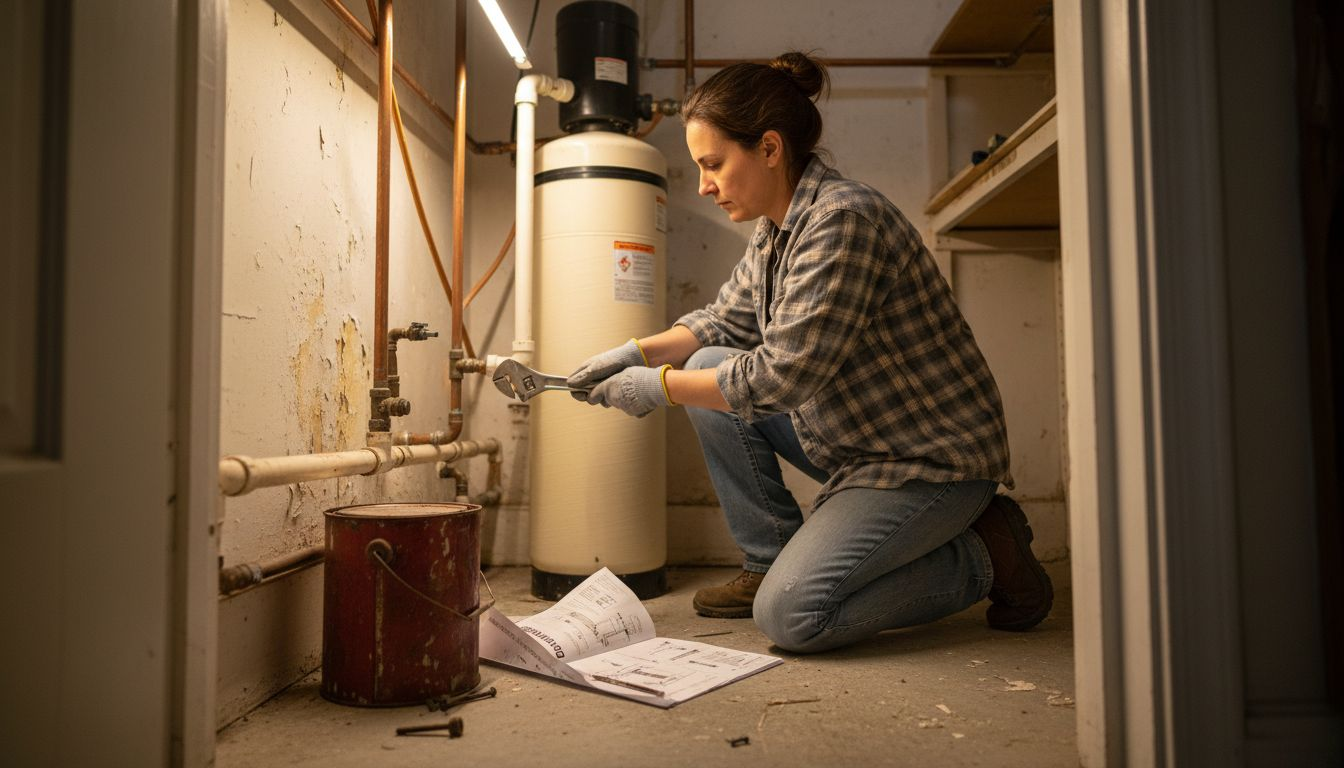
Modern purification technologies go beyond simple filtration, integrating smart monitoring and adaptive treatment capabilities. Advanced systems can now detect contaminant levels in real-time, automatically adjusting filtration processes to ensure maximum efficiency and water quality. This intelligent approach represents a significant leap forward in home water treatment, providing homeowners with unprecedented control over their water resources.
Here is a comparison of common home purification systems and their unique benefits:
| Purification System | Main Purpose | Key Advantage |
|---|---|---|
| Reverse Osmosis | Removes dissolved solids | Excellent contaminant reduction |
| Water Softener | Reduces water hardness | Extends appliance lifespan |
| Activated Carbon Filter | Adsorbs organics and chlorine | Improves taste and odor |
| UV Purifier | Inactivates microorganisms | Chemical-free disinfection |
| Whole-House Filtration | Filters all water entering home | Complete household coverage |
Pro tip: Invest in a multi-stage purification system that combines different filtration technologies for comprehensive water treatment and maximum contaminant removal.
How Energy-Saving Purification Technology Works
Energy-saving purification technology represents a sophisticated approach to water and air treatment that maximizes efficiency while minimizing resource consumption. These advanced systems leverage innovative design principles to reduce energy requirements and optimize performance. Solar-powered water purification systems demonstrate the cutting-edge potential of sustainable filtration technologies, converting environmental resources into clean, safe water.
Key mechanisms of energy-efficient purification include:
- Intelligent Sensor Technologies: Real-time monitoring of contaminant levels
- Adaptive Filtration Processes: Dynamic adjustment of energy consumption
- Passive Energy Recovery: Utilizing natural temperature and pressure differences
- Minimal Waste Design: Reducing water and energy loss during treatment
- Smart Material Integration: Using advanced compounds that enhance filtration efficiency
Thermal conversion technologies play a crucial role in modern purification systems. Solar thermal water purification methods leverage sunlight to generate water vapor, creating a natural distillation process that removes contaminants through heat-based separation. This approach transforms traditional energy-intensive purification into a more sustainable, low-cost solution for producing clean water.
The future of energy-saving purification lies in integrated, multifunctional systems that combine multiple technologies. Advanced designs now incorporate machine learning algorithms, nanotechnology, and renewable energy sources to create increasingly efficient and adaptable purification solutions. These innovations not only reduce energy consumption but also provide more precise and comprehensive water and air treatment capabilities.
Pro tip: Select purification systems with energy star ratings and smart monitoring capabilities to maximize both performance and energy efficiency.
Costs, Savings, and Environmental Impact
Investing in energy-efficient purification technologies offers significant financial and environmental benefits that extend far beyond initial equipment costs. Energy efficiency improvements demonstrate remarkable potential for reducing carbon emissions, accounting for an impressive 82% of global reductions between 2010 and 2022. These innovative solutions provide homeowners with a powerful approach to simultaneously manage household expenses and environmental responsibilities.
Key financial and environmental advantages include:
- Reduced Utility Expenses: Lower energy consumption translates to decreased monthly bills
- Extended Appliance Lifespan: Efficient systems minimize wear and reduce replacement costs
- Carbon Emission Reduction: Decreased energy usage directly impacts environmental sustainability
- Improved Resource Management: Minimizing water and energy waste
- Long-Term Cost Savings: Investment recovers through reduced operational expenses
Water treatment technologies play a crucial role in sustainable home management. Efficient water softener systems help prevent mineral buildup, which not only extends appliance life but also improves overall energy efficiency. By reducing detergent requirements and enhancing cleaning effectiveness, these systems offer tangible economic and environmental benefits.
Modern purification technologies represent a holistic approach to resource conservation. Advanced systems integrate smart monitoring, adaptive technologies, and renewable energy sources to create increasingly efficient solutions. Homeowners can now make environmentally conscious choices that simultaneously reduce their carbon footprint and provide substantial long-term financial advantages.
Below is a summary of how energy-efficient purification technologies contribute to financial and environmental goals:
| Benefit Type | Impact Example | Long-Term Result |
|---|---|---|
| Financial Savings | Lower energy and water bills | Reduced operating expenses |
| Appliance Longevity | Fewer mineral-related breakdowns | Less frequent replacements |
| Environmental Gains | Decreased energy consumption | Lower carbon emissions |
| Resource Management | Optimal water and energy usage | Improved sustainability |
Pro tip: Calculate your potential energy savings by comparing the efficiency ratings of different purification systems before making a purchase.
Regulatory Requirements and Common Pitfalls
Navigating the complex landscape of purification technologies requires a comprehensive understanding of regulatory standards and potential implementation challenges. Energy conservation standards now mandate specific compliance requirements for manufacturers and consumers, with critical regulations taking effect on December 31, 2023. These guidelines ensure that purification systems meet rigorous performance and efficiency benchmarks.
Key regulatory considerations and potential pitfalls include:
- Certification Requirements: Verifying compliance with national standards
- Performance Testing: Meeting specific energy efficiency metrics
- Documentation Standards: Maintaining accurate manufacturing records
- Emission Limit Compliance: Adhering to environmental protection guidelines
- Technical Specification Verification: Ensuring system meets regulatory criteria
Environmental protection regulations play a crucial role in shaping purification technologies. EPA environmental law enforcement establishes comprehensive standards that impact air and water quality management. These regulations require manufacturers to implement stringent monitoring processes, maintain detailed reporting mechanisms, and demonstrate ongoing compliance with evolving environmental protection standards.
Consumers and manufacturers must remain vigilant about potential regulatory pitfalls. Common mistakes include overlooking certification requirements, failing to update systems to meet new standards, and inadequate documentation of performance metrics. Proactive compliance and continuous education are essential to navigating the complex regulatory environment surrounding energy-efficient purification technologies.
Pro tip: Consult with a certified compliance expert to ensure your purification system meets all current regulatory requirements before making a purchase.
Experience Energy-Efficient Purification Solutions for Your Home
Struggling to find reliable and energy-efficient ways to improve your home’s air and water quality The article highlights key challenges like reducing energy consumption while maintaining superior purification performance. At Coway Water Purifier, we understand the importance of using advanced filtration technologies that combine smart monitoring, UV sanitization, and eco-friendly operation to meet those needs.
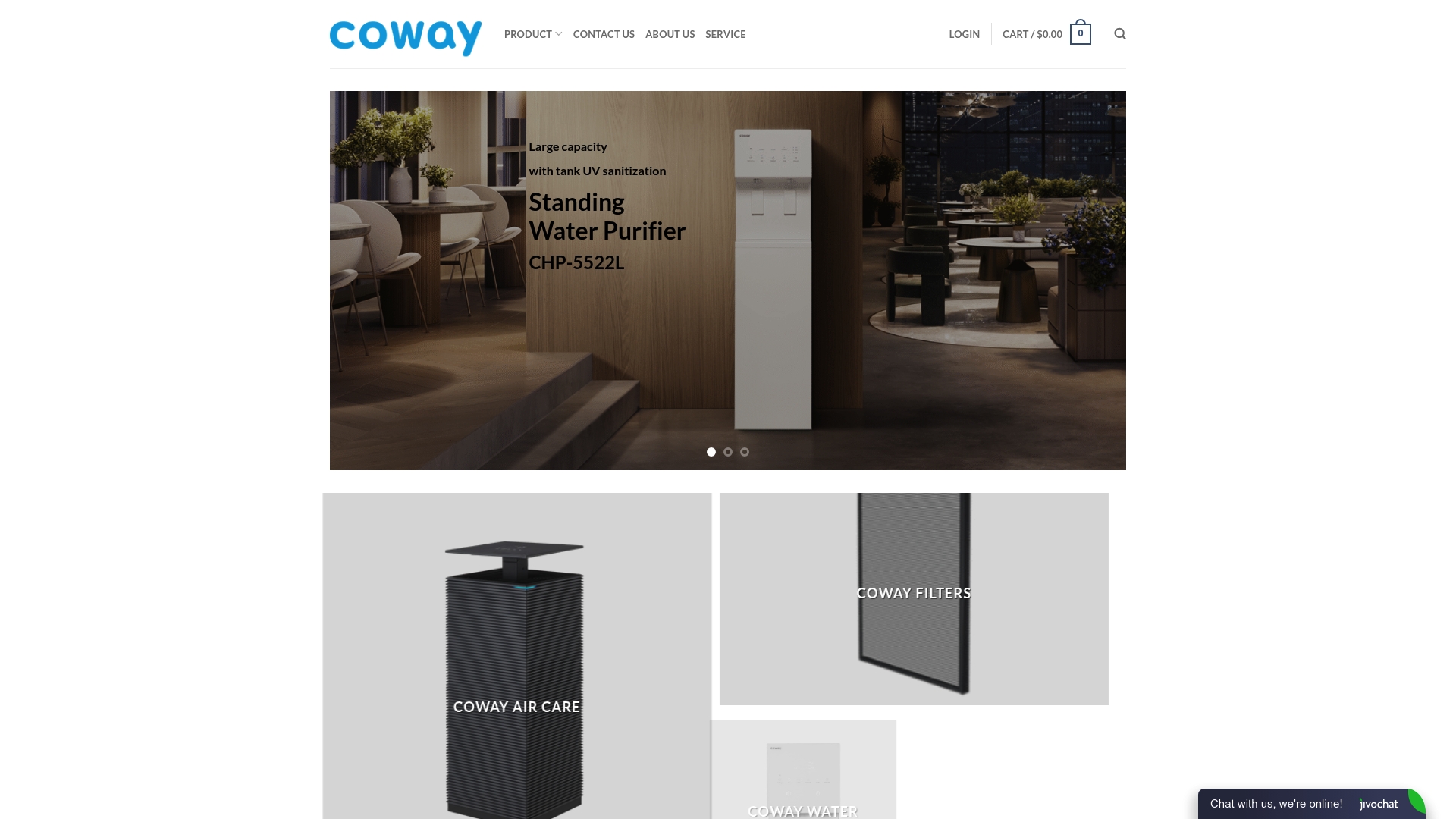
Explore our range of innovative water and air purifiers designed to deliver cleaner air and water without compromising energy efficiency Visit our Uncategorized Archives – Coway Water Purifier to find models tailored for modern homes. Take control of your health and the environment today by choosing purification systems that maximize savings and minimize your carbon footprint. Don’t wait to upgrade; learn more at Coway Water Purifier and get yours now.
Frequently Asked Questions
What are energy-efficient purification methods?
Energy-efficient purification methods focus on improving water and air quality while minimizing energy consumption. They utilize advanced materials, smart automation, and optimized designs to enhance filtration performance while lowering resource use.
How do I choose the right purification system for my home?
When selecting a purification system, consider your specific needs, such as the contaminants you want to address. Options include reverse osmosis for dissolved solids, activated carbon filters for organic compounds, and UV purifiers for microorganisms. Multi-stage systems can offer comprehensive solutions.
What are the benefits of energy-saving purification technologies?
Energy-saving purification technologies provide financial advantages like reduced utility expenses and extended appliance lifespan. Environmentally, they help lower carbon emissions and improve resource management by minimizing water and energy waste.
How do smart monitoring features enhance purification systems?
Smart monitoring features allow purification systems to detect real-time contaminant levels and adjust filtration processes accordingly. This dynamic approach maximizes energy efficiency and water quality, providing more effective and adaptable purification solutions.
Recommended
- Role of Sustainability in Water Purification: Complete Guide – Coway Water Purifier
- How Purifiers Save Cost for Homes and Businesses – Coway Water Purifier
- Health Benefits of Air and Water Purification at Home – Coway Water Purifier
- How Purifiers Save Cost for Homes and Businesses – Coway Water Purifier
- Cruise health and wellness tips for travelers
