
Uncategorized
Why Chemical-Free Purification Matters for U.S. Homes
Jan
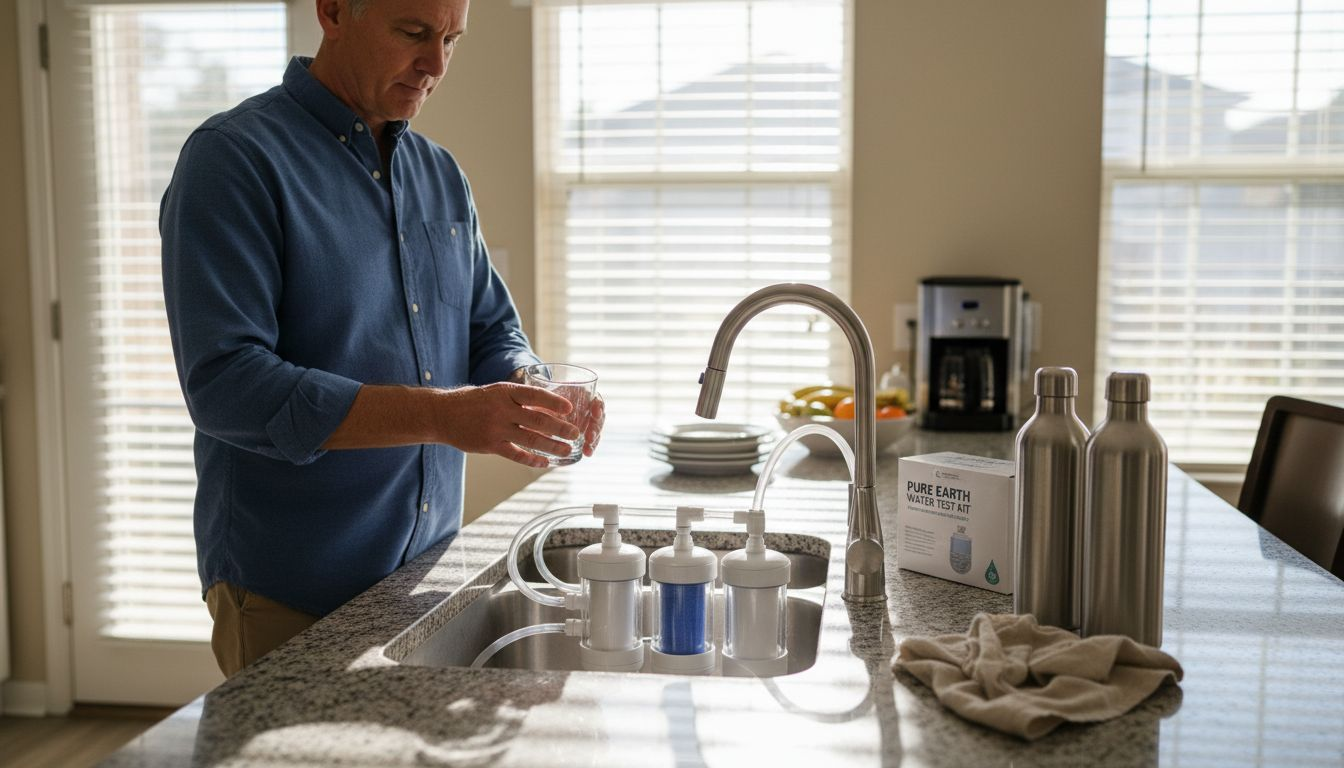
Most American families are surprised to learn that over 90 percent of tap water samples contain detectable contaminants. As people become more conscious of long-term health, finding a chemical-free way to purify water is becoming urgent for American homeowners who want peace of mind at the kitchen sink. Discover practical solutions that help you protect your family’s wellness while keeping harmful chemicals and impurities out of your daily drinking water.
Table of Contents
- Chemical-Free Water Purification Explained
- Popular Chemical-Free Purification Methods
- Health and Environmental Benefits of Going Chemical-Free
- Key Differences From Chemical-Based Solutions
- Risks, Limitations, and What to Avoid
Key Takeaways
| Point | Details |
|---|---|
| Chemical-Free Purification Methods | Utilize physical and electrochemical processes to ensure safe drinking water without harmful chemicals. |
| Health and Environmental Benefits | Protects human health by eliminating chemical residues and supports sustainability efforts by reducing waste. |
| Technological Innovations | Advanced systems like nanotechnology enhance the targeting and removal of specific contaminants effectively. |
| Primary Risks and Limitations | Owners must be mindful of inconsistent performance, specific local water challenges, and the need for multi-stage systems. |
Chemical-Free Water Purification Explained
Chemical-free water purification represents a critical approach to ensuring safe drinking water without introducing potentially harmful substances into our home water supply. Water purification methods have evolved to focus on physical and electromagnetic processes that effectively remove contaminants while maintaining water’s natural integrity.
Unlike traditional chemical treatment techniques, chemical-free purification leverages advanced technologies like filtration, sedimentation, and ultraviolet disinfection to eliminate harmful particles and microorganisms. Innovative electrochemical systems now enable water treatment processes that modify water chemistry using electricity instead of chemical additives, significantly reducing environmental impact while maintaining high purification standards.
The primary methods of chemical-free water purification include:
- Physical filtration through multi-stage membrane systems
- Ultraviolet light disinfection
- Electromagnetic water treatment
- Biological filtration using natural media like activated carbon
- Reverse osmosis without chemical pretreatment
These approaches effectively remove suspended solids, pathogens, and dissolved contaminants while preserving water’s essential mineral composition and avoiding potential chemical interactions that might introduce secondary pollutants.
Pro tip: Invest in a water purification system with multiple filtration stages to ensure comprehensive contaminant removal without chemical interventions.
Popular Chemical-Free Purification Methods
Modern water purification technologies are increasingly focusing on chemical-free methods that provide safe, clean drinking water without introducing potentially harmful substances. Emerging nanomaterial technologies represent a groundbreaking approach to water treatment, offering innovative solutions that target contaminants through advanced physical and chemical interactions.
Homeowners now have access to several sophisticated chemical-free purification techniques that effectively remove impurities while preserving water’s natural composition. These methods leverage cutting-edge technologies like:
- Activated carbon filtration
- Ultraviolet light disinfection
- Ceramic membrane filtration
- Reverse osmosis without chemical pretreatment
- Electromagnetic water treatment systems
Nanotechnology has particularly transformed chemical-free water purification by introducing materials capable of targeting specific contaminants through adsorption, photoreactivity, and advanced filtration processes. These nanomaterials can effectively remove heavy metals, organic pollutants, and microscopic impurities without relying on traditional chemical treatments, presenting a sustainable and environmentally friendly alternative to conventional water purification methods.

Here’s a comparison of popular chemical-free water purification methods and their unique strengths:
| Method | Main Benefit | Best For |
|---|---|---|
| Activated Carbon Filtration | Removes organic chemicals, chlorine | Improving taste and odor |
| Ultraviolet Disinfection | Destroys bacteria and viruses | Microbial contamination |
| Reverse Osmosis | Reduces dissolved solids, heavy metals | Comprehensive purification |
| Ceramic Membrane Filtration | Filters out fine particles, cysts | Rural and municipal water |
| Electromagnetic Treatment | Prevents mineral scale, maintains hardness | Hard water regions |
| Nanomaterial Filtration | Targets specific contaminants | Advanced contaminant removal |
Pro tip: Research water purification systems that utilize multiple filtration stages and incorporate advanced nanotechnology for comprehensive contaminant removal.
Health and Environmental Benefits of Going Chemical-Free
Chemical-free water purification represents a transformative approach to protecting both human health and environmental sustainability. Advanced non-chemical purification techniques demonstrate significant potential in reducing Total Dissolved Solids (TDS) and improving overall water quality without introducing potentially harmful chemical treatments.
The health benefits of chemical-free water purification extend far beyond simple contaminant removal. By eliminating chemical additives, these innovative methods protect consumers from potential long-term exposure to synthetic compounds that might accumulate in the human body. Key health advantages include:
- Reduced risk of chemical residue consumption
- Preservation of water’s natural mineral content
- Elimination of potential endocrine-disrupting chemicals
- Improved taste and sensory water quality
- Enhanced immune system protection
Environmentally, chemical-free purification methods contribute significantly to sustainability efforts. These approaches reduce plastic waste by improving tap water quality, encourage increased water consumption, and minimize the ecological footprint associated with traditional water treatment processes. By utilizing technologies like electrolysis, advanced filtration, and nanotechnology, chemical-free systems offer a responsible alternative to conventional water purification methods.
Below is a summary of the main health and environmental advantages of chemical-free water purification:
| Advantage | Health Impact | Environmental Impact |
|---|---|---|
| No Chemical Residue | Avoids chronic chemical exposure | Prevents waterway pollution |
| Preserves Minerals | Supports bodily functions | Reduces need for bottled water |
| No Toxic By-Products | Protects long-term health | Lowers hazardous waste |
| Enhanced Water Taste | Encourages healthy hydration | Decreases plastic bottle waste |
Pro tip: Invest in a multi-stage water purification system that combines multiple chemical-free technologies for comprehensive water quality improvement.
Key Differences From Chemical-Based Solutions
Chemical-free water treatment technologies represent a fundamental shift from traditional chemical-based purification methods, offering a more sustainable and health-conscious approach to water management. Unlike conventional systems that rely heavily on chemical additives, these innovative approaches utilize physical and electrochemical processes to ensure water quality without introducing potentially harmful substances.
The primary differences between chemical-free and chemical-based solutions include:
- Process Mechanism:
- Chemical-free: Uses physical filtration, electrochemical treatment, and natural processes
- Chemical-based: Relies on chemical disinfectants and coagulants
- Environmental Impact:
- Chemical-free: Minimal waste and reduced ecological footprint
- Chemical-based: Potential chemical residue and waste disposal challenges
- Health Considerations:
- Chemical-free: No synthetic chemical exposure
- Chemical-based: Risk of toxic by-product accumulation
Electrochemical water treatment technologies demonstrate particularly promising alternatives to traditional chemical treatments. These advanced systems use electric current to modify water chemistry, effectively disinfecting and treating water without introducing external chemical compounds. This approach not only prevents potential health risks associated with chemical additives but also provides more sustainable and efficient water purification.

Pro tip: Research water treatment systems that utilize multiple chemical-free technologies to ensure comprehensive water quality and safety.
Risks, Limitations, and What to Avoid
Chemical-free water purification techniques require careful consideration and understanding to ensure optimal water quality and effectiveness. While these innovative methods offer significant advantages, homeowners must be aware of potential limitations and strategies to maximize their water treatment approach.
Key risks and limitations in chemical-free water purification include:
- Inconsistent performance based on local water chemistry
- Potential increases in Total Dissolved Solids (TDS)
- Limited effectiveness with certain contaminant types
- Variability in filtration capabilities across different technologies
- Potential need for multiple treatment stages
Some critical pitfalls to avoid include:
- Relying on a single purification method
- Neglecting regular system maintenance
- Failing to conduct comprehensive water quality testing
- Overlooking specific contaminant challenges in your local water supply
- Assuming all chemical-free methods are equally effective
Activated carbon filters, for instance, demonstrate excellent capabilities in removing specific contaminants but may not address comprehensive water quality concerns. Homeowners should develop a nuanced understanding of their specific water treatment needs, combining multiple technologies and conducting periodic water quality assessments to ensure optimal purification.
Pro tip: Invest in professional water quality testing and design a multi-stage chemical-free purification system tailored to your specific local water characteristics.
Experience Cleaner, Safer Water with Coway’s Chemical-Free Solutions
If you are concerned about chemical residues and want a purification system that respects your health and the environment, you are not alone. The article highlights crucial challenges like avoiding synthetic chemical exposure and preserving natural minerals while achieving thorough contaminant removal. Coway understands these pain points by offering advanced water purifiers that combine multi-stage filtration technologies such as activated carbon and ultraviolet disinfection for chemical-free water safety in your American home.
Discover how our cutting-edge filtration systems prevent microbial contamination and reduce dissolved solids without relying on harmful chemicals. With Coway’s reliable and scientifically researched solutions, you can enhance water taste, protect your family from toxic by-products, and support a sustainable lifestyle.
Explore our selection on Uncategorized Archives – Coway Water Purifier to find a system tailored to your specific water quality needs.
Don’t wait to upgrade your home with Coway’s trusted chemical-free water purifiers. Visit https://cowayswaterpurifier.com now and choose the best solution that delivers pure, healthy water without compromise. Take control of your water quality today and enjoy the peace of mind that comes with Coway innovation.
Frequently Asked Questions
What are the benefits of chemical-free water purification?
Chemical-free water purification offers several advantages, including reduced risk of chemical residue consumption, preservation of natural mineral content, improved water taste, and enhanced immune system protection.
How do chemical-free purification methods compare to traditional chemical treatments?
Chemical-free methods utilize physical processes like filtration and electrochemical treatment, which minimize waste and avoid introducing harmful chemicals, while traditional methods often rely on chemical disinfectants and coagulants that can leave residues.
What types of contaminants can be effectively removed using chemical-free purification methods?
Chemical-free purification methods can effectively remove pathogens, heavy metals, organic pollutants, and microscopic impurities, ensuring comprehensive water quality improvement without the use of chemical additives.
Are there any limitations to chemical-free water purification systems?
Yes, some limitations include inconsistent performance based on local water chemistry, potential increases in Total Dissolved Solids (TDS), and varying filtration capabilities. It’s important to combine multiple treatment methods and conduct regular water quality testing.
Recommended
- 7 Essential Water Purification Facts 2025 for Healthy Homes – Coway Water Purifier
- Role of Sustainability in Water Purification: Complete Guide – Coway Water Purifier
- 7 Effective Water Purification Methods for Your Home – Coway Water Purifier
- Purification Industry Standards Explained: Impact on Health – Coway Water Purifier
