
Uncategorized
Understanding Why Change Purifier Filters Matters for Health
Aug
Purifier filters might seem like a small detail in your home or office setup but these silent workhorses pull off something impressive every single day. A single filter can remove particles much smaller than you can see, including allergens, bacteria, and even viruses. Most people think it’s just about changing a part now and then and moving on. The real surprise is that how and when you swap out these filters can shape the entire quality of the air you breathe or the water you drink. That routine chore holds more power over your health than you might expect.
Table of Contents
- The Role Of Purifier Filters In Home And Business Settings
- What Happens When Purifier Filters Become Clogged?
- Why Changing Purifier Filters Is Essential For Health
- How Filter Lifespan Affects Air And Water Quality
- Key Concepts To Consider For Effective Filtration
Quick Summary
| Takeaway | Explanation |
|---|---|
| Regular filter changes are crucial for health | Changing purifier filters prevents respiratory irritation and exposure to harmful pollutants. Frequent replacement is essential for maintaining indoor air quality. |
| Clogged filters can release contaminants | When filters are saturated, they may emit trapped pollutants back into the air and water, creating new health risks for occupants. |
| Optimum filter performance requires maintenance | Consistent maintenance ensures filters work effectively, preventing mechanical strain on purification systems and prolonging their lifespan. |
| Understanding filter mechanics boosts effectiveness | Knowledge of air and water filtration principles helps users make informed decisions about their purification systems, enhancing environmental protection. |
| Advanced filtration technologies offer better solutions | Innovative filtration systems are designed to address specific contamination challenges, providing more effective and tailored indoor air quality management. |
The Role of Purifier Filters in Home and Business Settings
Purifier filters play a critical role in maintaining clean and healthy indoor environments, serving as essential guardians against invisible contaminants that can compromise respiratory health and overall wellness. Understanding their function goes beyond simple maintenance to recognizing their profound impact on air and water quality.
How Purifier Filters Protect Indoor Environments
Purifier filters operate as sophisticated screening mechanisms designed to trap and eliminate harmful particles, microorganisms, and pollutants. According to research from the National Institutes of Health, these filters can effectively remove microscopic threats including:
- Airborne allergens like pollen and dust mites
- Bacterial and viral particles
- Fine particulate matter that can penetrate deep into respiratory systems
In both residential and commercial settings, these filters serve as critical health barriers, preventing potentially dangerous contaminants from circulating through indoor spaces. Their intricate design allows them to capture particles significantly smaller than the human eye can detect, providing comprehensive protection that extends far beyond basic filtration.
Performance and Maintenance Considerations
The effectiveness of purifier filters depends not just on their initial quality but on consistent maintenance and timely replacement. As filters become saturated with trapped contaminants, their ability to screen out harmful particles diminishes, potentially compromising indoor air and water quality. Regular replacement ensures optimal performance and sustained protection.
For homeowners and business managers, understanding why change purifier filters becomes a proactive health strategy. By maintaining clean, functional filters, individuals can significantly reduce exposure to potentially harmful environmental pollutants and create safer, healthier indoor environments. Learn more about advanced filtration solutions that can transform your indoor air quality management approach.
What Happens When Purifier Filters Become Clogged?
Purifier filters are intricate defense systems designed to trap and eliminate contaminants, but their effectiveness dramatically declines when they become saturated with pollutants. Understanding the progressive degradation of filter performance reveals critical insights into why regular maintenance is not just recommended but essential for maintaining healthy indoor environments.
The Progressive Deterioration of Filter Efficiency
As purifier filters accumulate particles, their capacity to screen out harmful substances gradually diminishes. According to research from the Environmental Protection Agency, clogged filters experience significant performance reduction, which can lead to several problematic outcomes:
- Decreased air and water filtration effectiveness
- Increased strain on purification system mechanisms
- Potential release of trapped contaminants back into the environment
Blocked filters transform from protective barriers into potential health risks, forcing purification systems to work harder while simultaneously compromising their core protective function. The accumulated debris acts like a dense mesh, preventing proper air or water flow and reducing the system’s overall filtration capabilities.
Consequences of Neglected Filter Maintenance
Neglecting filter replacement creates a cascading series of performance issues. When filters become overwhelmed, purification systems must exert substantially more energy to maintain minimal operational standards. This increased mechanical stress not only reduces system efficiency but can also lead to premature equipment failure.
Moreover, saturated filters cannot effectively capture microscopic pollutants, essentially rendering the entire purification system ineffective. This situation exposes indoor environments to potential respiratory irritants, allergens, and potentially harmful microorganisms.
The following table compares the effects of maintained versus clogged purifier filters, summarizing how regular replacement impacts both system performance and indoor health.
| Condition | Performance Impact | Health Impact | System Impact |
|---|---|---|---|
| Properly Maintained Filter | Efficient contaminant removal | Reduces respiratory irritation and allergy risks | Prevents mechanical strain |
| Clogged Filter | Diminished filtration effectiveness | Increases exposure to pollutants and irritants | Increases energy use, risk of failure |
| Neglected Maintenance | Potential release of trapped debris | Can become a source of bacteria and viruses | Premature breakdown of filtration system |
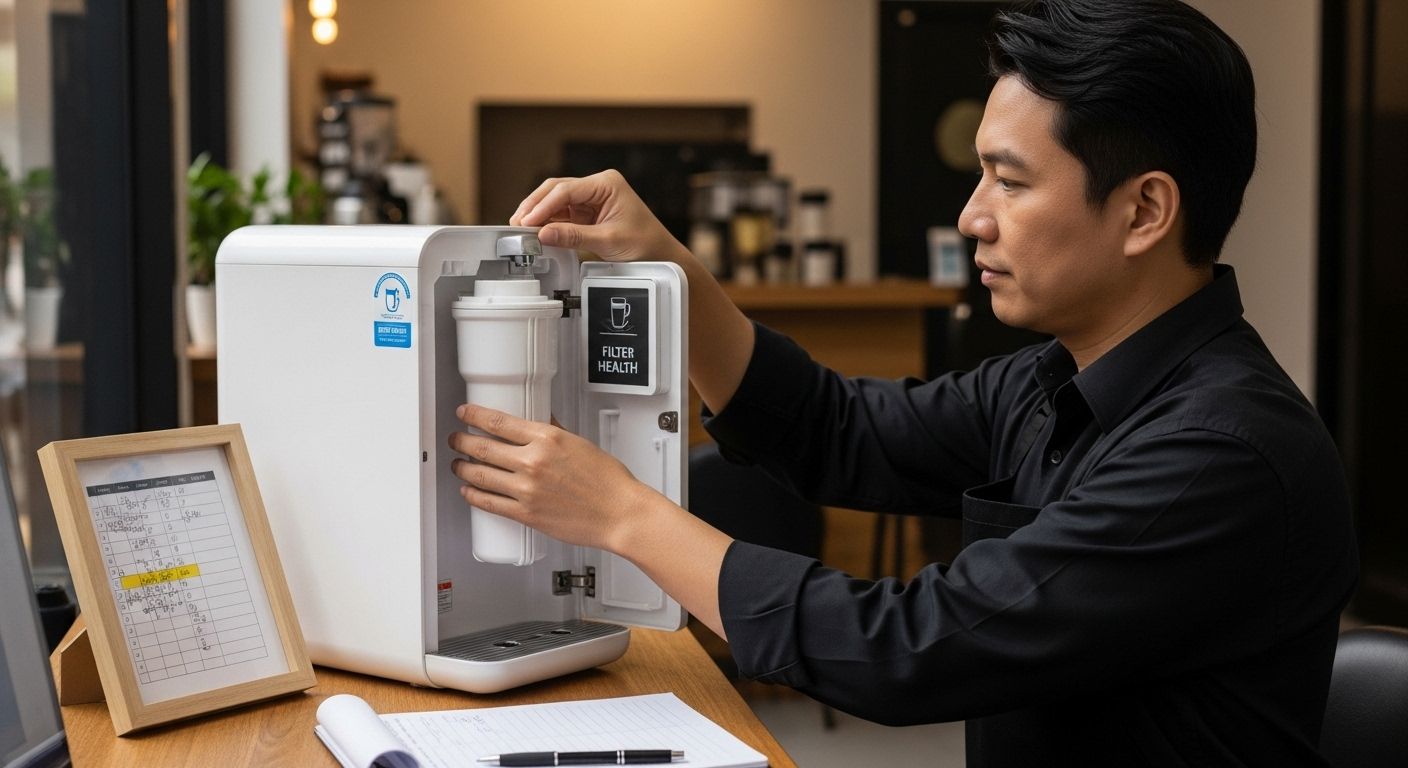
Explore our advanced filtration solutions to understand how proactive filter management protects your health and equipment investment.
Why Changing Purifier Filters is Essential for Health
Changing purifier filters is not merely a maintenance task but a critical health intervention that directly impacts indoor environmental quality. The subtle yet profound connection between filter replacement and personal wellness extends far beyond simple equipment upkeep, representing a proactive approach to protecting respiratory health and reducing potential exposure to harmful contaminants.
Health Risks of Neglected Filtration Systems
According to research from the Environmental Protection Agency, unmaintained purification systems can become breeding grounds for potentially dangerous microorganisms. When filters become saturated, they transition from protective barriers to potential health hazards, potentially releasing trapped pollutants back into living spaces.
Key health risks associated with unchanged filters include:
- Increased respiratory irritation
- Higher susceptibility to allergic reactions
- Potential accumulation of bacterial and viral particles
- Reduced overall indoor air quality
The microscopic world trapped within these filters represents a complex ecosystem of potential health threats, making regular replacement a fundamental strategy for maintaining a safe indoor environment.
Comprehensive Protection Through Regular Maintenance
Purifier filters function as intricate screening mechanisms designed to capture particles significantly smaller than the human eye can detect. As these filters become saturated, their ability to trap contaminants diminishes exponentially, compromising their primary protective function. This degradation occurs gradually, often without immediate visible signs, making consistent replacement crucial.
Beyond immediate health considerations, regular filter changes contribute to optimal system performance, preventing mechanical strain and potential equipment failure. Discover our advanced filtration technologies that provide comprehensive protection for your living and working environments, ensuring your purification systems operate at peak efficiency.
How Filter Lifespan Affects Air and Water Quality
Filter lifespan represents a critical yet often overlooked factor in maintaining optimal indoor environmental quality. These sophisticated screening systems progressively degrade over time, transforming from highly efficient barriers to potentially compromised protective mechanisms that can directly impact human health and well-being.
The Gradual Decline of Filtration Performance
According to research from the Environmental Protection Agency, filters experience a predictable performance trajectory that significantly influences their capacity to remove contaminants. As filters accumulate particles, their microscopic pores become increasingly saturated, leading to a complex process of diminishing filtration effectiveness.
Key stages of filter performance degradation include:
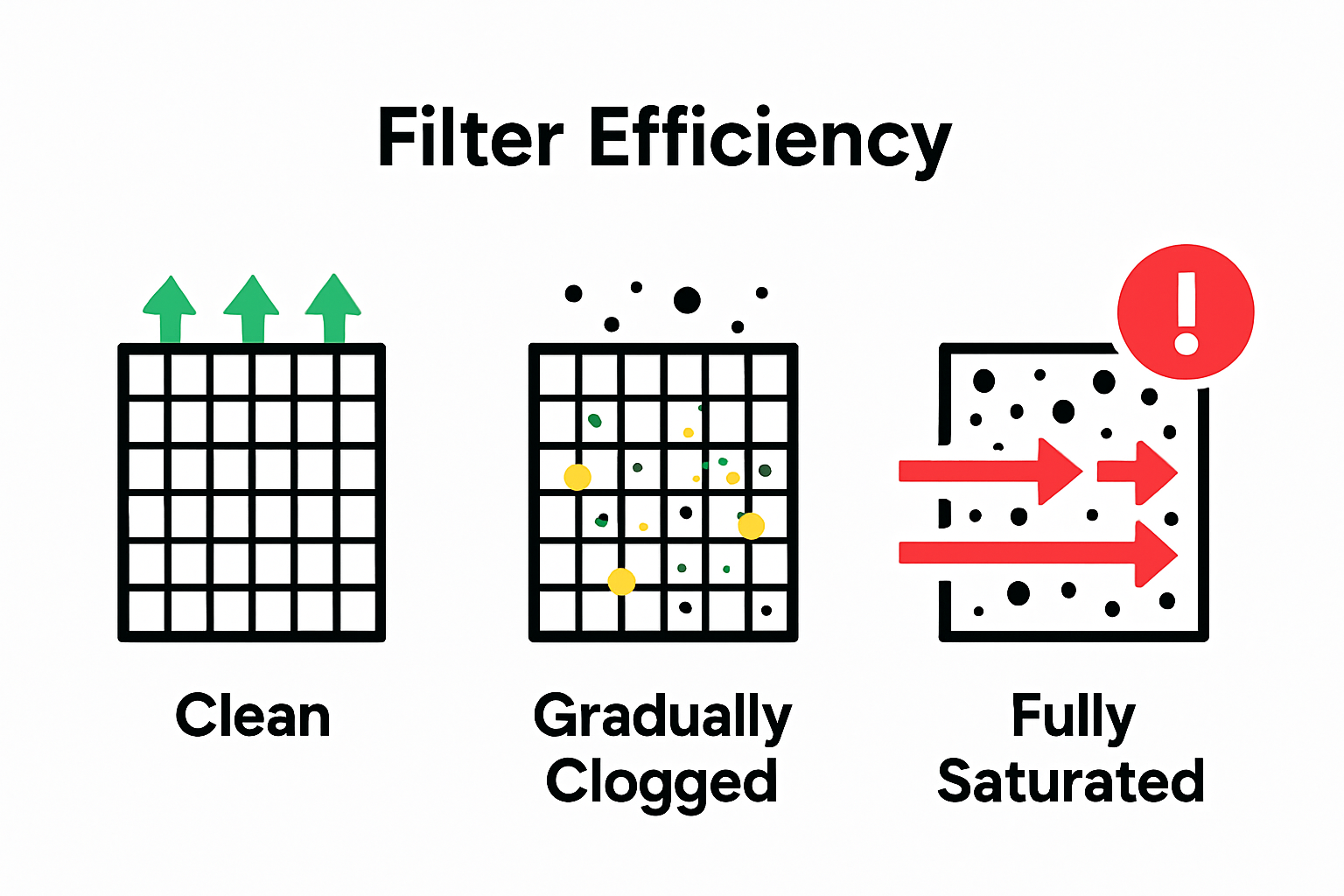
- Initial high-efficiency particle capture
- Gradual reduction in screening capabilities
- Potential reverse contamination risk
- Complete functional breakdown
The intricate mechanics of filter degradation represent a silent but profound transformation, where once-pristine screening systems slowly lose their ability to protect indoor environments from harmful particulates.
Implications for Indoor Health and System Integrity
Beyond immediate air and water quality concerns, filter lifespan directly influences broader health and mechanical system dynamics. Saturated filters force purification systems to work harder, increasing energy consumption and potentially causing premature mechanical wear. This additional strain not only reduces overall system efficiency but can also compromise the fundamental protective mechanisms designed to safeguard indoor environments.
The microscopic world trapped within these filters tells a complex story of environmental interaction, where each particle retained represents a potential health risk prevented. Explore our comprehensive filtration technology to understand how advanced design can extend filter performance and protect your indoor environment more effectively.
Key Concepts to Consider for Effective Filtration
Effective filtration transcends simple equipment maintenance, representing a sophisticated approach to managing indoor environmental quality. Understanding the nuanced mechanisms behind purification systems enables individuals to make informed decisions about protecting their living and working spaces from microscopic threats.
Fundamental Principles of Air and Water Filtration
According to research from the National Institute for Occupational Safety and Health, successful filtration depends on multiple interconnected factors that extend beyond basic equipment specifications. The intricate process involves complex interactions between filter materials, particle characteristics, and environmental conditions.
Critical elements that determine filtration effectiveness include:
- Pore size and density of filter materials
- Airflow dynamics and pressure differentials
- Particle size and composition of potential contaminants
- Filter material composition and structural integrity
The microscopic architecture of filtration systems represents a precision engineering marvel, where each design element plays a crucial role in protecting indoor environments from potentially harmful particulates.
This table provides an overview of key factors that determine effective air and water filtration as described in the article.
| Factor | Description |
|---|---|
| Pore Size & Density | Determines size of particles filtered out |
| Airflow Dynamics & Pressure Differentials | Influences overall filtration efficiency and contaminant capture |
| Particle Size & Composition | Affects how easily contaminants are trapped by filter materials |
| Filter Material Composition | Impacts filter durability and ability to handle specific pollutants |
| Environmental Conditions | External temperature and humidity can alter filtration performance |
Strategic Considerations for Optimal Performance
Purification systems require a holistic approach that considers more than just mechanical specifications. Factors such as environmental humidity, temperature variations, and specific contamination risks significantly influence filter performance. Professional evaluations recommend periodic assessments of filtration system capabilities, ensuring that the chosen technology matches the unique characteristics of the indoor environment.
Beyond technical specifications, understanding the nuanced interactions between filter materials and environmental contaminants becomes paramount. Discover advanced filtration solutions that adapt to complex indoor environmental challenges, providing comprehensive protection tailored to your specific needs.
Protect Your Health with the Right Filter Change
Struggling with invisible pollutants threatening your fresh air and clean water? As highlighted throughout this article, the hidden dangers of clogged purifier filters are real and can quietly undermine your family’s well-being. Failing to change your filters allows harmful particles and bacteria to re-enter your environment, impacting everything from your energy levels to your respiratory health. Make a lasting difference today by choosing proven solutions designed to keep your home and workspace safe. For a deeper dive into how quality filtration transforms your everyday health and comfort, visit Uncategorized Archives – Coway Water Purifier.
Act now to experience cleaner air and safer water, supported by innovative Coway technology. Experience the benefits of advanced filtration systems, hassle-free maintenance, and health-focused engineering. Discover your options at https://cowayswaterpurifier.com and find the right purifier for your needs. Let Coway help you build a healthier environment—because reliable filtration is a promise your home deserves.
Frequently Asked Questions
Why is it important to change purifier filters regularly?
Changing purifier filters regularly is essential for maintaining optimal air and water quality. Over time, filters accumulate pollutants and contaminants that can compromise their efficiency. Neglecting to change filters can lead to decreased filtration effectiveness and increased health risks associated with airborne and waterborne impurities.
What are the health risks associated with not changing purifier filters?
Neglecting to change purifier filters can result in increased respiratory irritation, higher susceptibility to allergies, and the potential buildup of harmful microorganisms. Saturated filters can become breeding grounds for bacteria and viruses, reducing overall indoor air quality and posing health risks to occupants.
How do I know when it’s time to replace my purifier filters?
The need for replacing purifier filters typically depends on usage frequency, pollution levels, and manufacturer recommendations. Indicators include reduced airflow, visible dirt buildup on the filter, or a noticeable decline in air or water quality. Regular maintenance checks can help ensure you replace filters as needed.
What impact does clogged filters have on purification systems?
Clogged filters can significantly reduce the effectiveness of purification systems. They create increased strain on the system, leading to greater energy consumption and potential mechanical failure. Additionally, clogged filters can release trapped contaminants back into the environment, posing health hazards for indoor spaces.
Recommended
