
Uncategorized
Office Water Pollution: Risks and Solutions for Managers
Jan
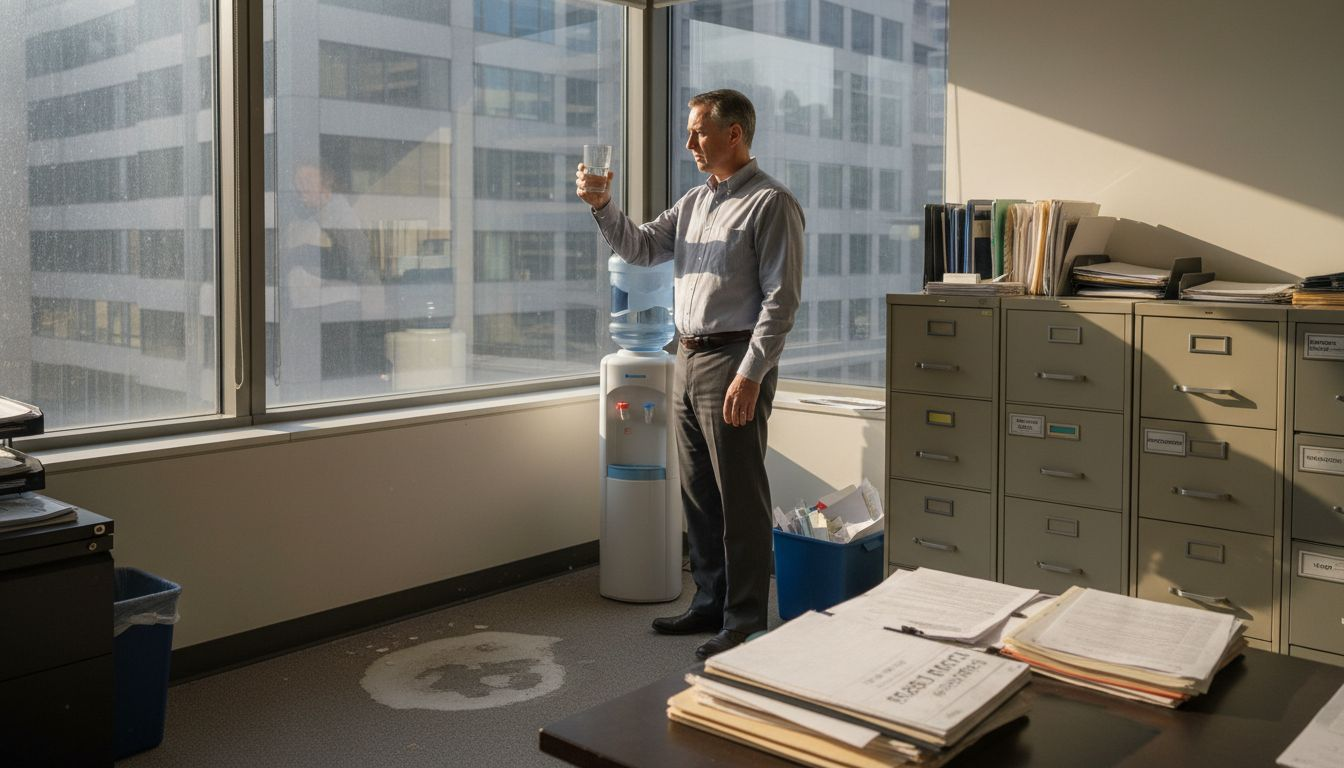
More than 45 million American workers spend their days in offices where water quality can quietly undermine health and safety. Even the most modern buildings face hidden risks from aging pipes, industrial waste, and contaminants like heavy metals and PFAS. When workplace water is compromised, employee well-being and legal compliance become urgent concerns. This article guides office managers in understanding sources of pollution and the best practices to safeguard water quality for a healthier work environment.
Table of Contents
- Understanding Office Water Pollution Sources
- Main Types of Waterborne Contaminants
- How Contaminants Enter Workplace Water
- Health Risks Linked to Contaminated Water
- Legal Standards for Office Water Quality
- Effective Prevention and Purification Solutions
Key Takeaways
| Point | Details |
|---|---|
| Water pollution in offices is a significant health risk. | Multiple sources such as industrial discharge and aging infrastructure contaminate office water systems, impacting employee safety and well-being. |
| Regular water quality testing is essential. | Conduct periodic testing to identify potential contaminants and ensure workplace water safety, protecting employee health. |
| Understanding contamination pathways is critical. | Contaminants can enter workplace water systems through various routes, necessitating comprehensive management strategies to mitigate risks. |
| Compliance with legal standards is mandatory. | Offices must adhere to regulations set by the Safe Drinking Water Act, emphasizing ongoing monitoring and proactive quality management. |
Understanding Office Water Pollution Sources
Water pollution in office environments represents a complex and often overlooked health risk. Tap water pollution originates from multiple interconnected sources that can significantly impact workplace safety and employee well-being. From industrial facilities to aging municipal infrastructure, these contamination pathways introduce potentially harmful chemicals and pollutants into office water systems.
The primary sources of office water pollution typically include industrial discharge, agricultural runoff, and municipal wastewater systems. Heavy metals, pesticide residues, and emerging contaminants like PFAS (per and polyfluoroalkyl substances) can infiltrate water supplies through various mechanisms. Urban growth and insufficient treatment processes create additional challenges, allowing pollutants to bypass traditional filtration methods and enter workplace drinking water.
Understanding these pollution sources requires managers to recognize the complex interaction between infrastructure, environmental factors, and water quality. Water pollution in the United States demonstrates that while regulatory frameworks exist, significant gaps remain in protecting water systems. Factors like industrial discharge, agricultural practices, and inadequate municipal maintenance contribute to ongoing contamination risks that directly affect office environments.
Pro tip: Conduct periodic water quality testing using certified laboratory services to proactively identify potential contamination sources and protect employee health.
Main Types of Waterborne Contaminants
Waterborne contaminants pose significant risks to office environments, comprising multiple complex categories that threaten employee health and safety. Drinking water contaminants are broadly classified into four primary groups: physical, chemical, biological, and radiological substances. Each category presents unique challenges for workplace water management and requires specialized detection and mitigation strategies.
The chemical contaminants represent perhaps the most insidious threat to office water systems. Heavy metals like lead, arsenic, and uranium can accumulate in water supplies through industrial discharge and aging infrastructure. Other concerning chemical pollutants include nitrates from agricultural runoff, disinfection byproducts, and emerging contaminants like PFAS (per and polyfluoroalkyl substances). These chemicals can cause long-term health issues even at low concentration levels, making comprehensive water quality testing crucial for workplace safety.
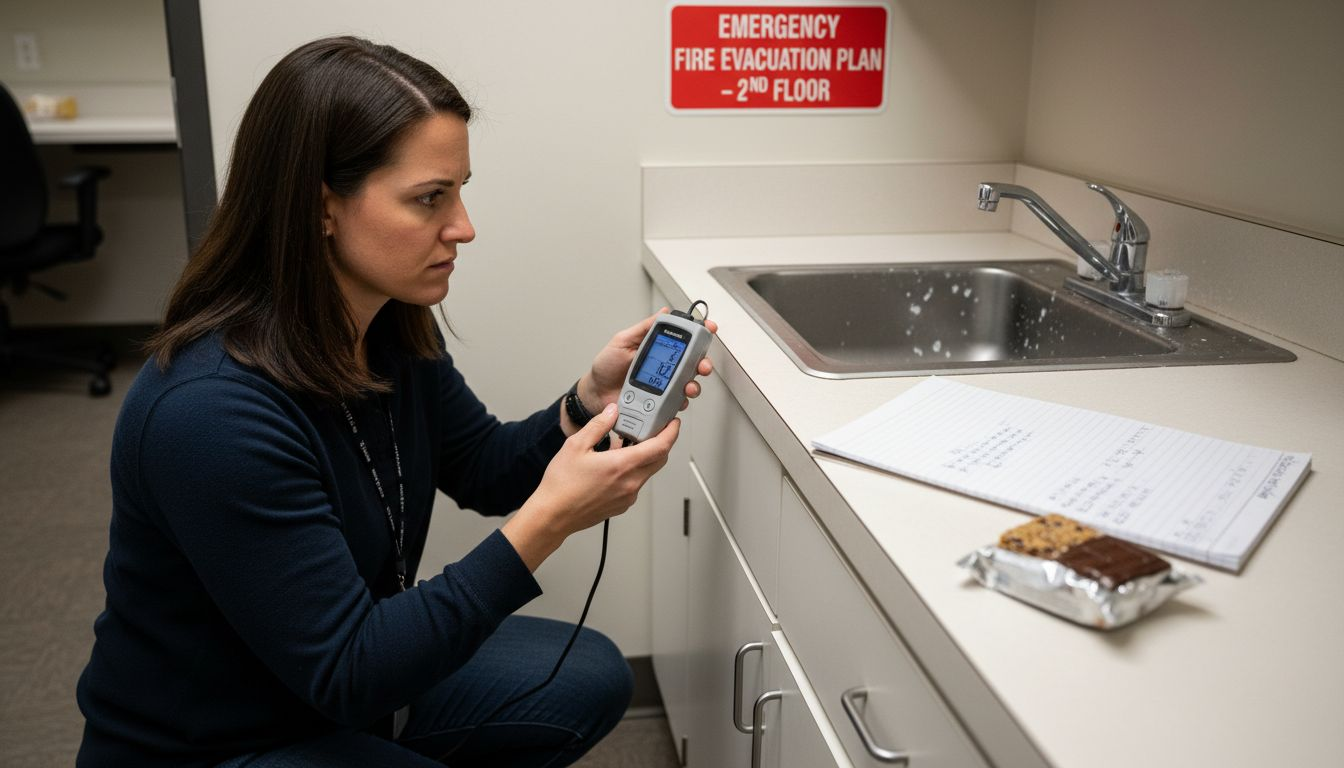
Biological contaminants present another critical water quality challenge. Bacteria, viruses, and other microorganisms can proliferate in office water systems, especially in areas with inadequate maintenance or complex plumbing networks. Certain pathogenic microbes can survive standard treatment processes, potentially introducing serious health risks like gastrointestinal infections, legionnaires disease, and other waterborne illnesses that can significantly impact workplace productivity and employee wellness.
Pro tip: Implement a comprehensive water testing protocol that screens for multiple contaminant categories, not just the most common pollutants, to ensure comprehensive workplace water safety.
Here’s a comparison of office waterborne contaminant types and their main impacts:
| Contaminant Type | Example Substances | Main Health Impact |
|---|---|---|
| Chemical | Lead, PFAS, nitrates | Chronic illness risk |
| Biological | Bacteria, viruses | Acute infections, illness |
| Physical | Sediment, rust particles | Plumbing damage |
| Radiological | Uranium, radon | Increased cancer risk |
How Contaminants Enter Workplace Water
Contaminants infiltrate workplace water systems through multiple complex pathways, creating significant health risks for employees. Unregulated industrial contaminants represent a critical entry point for dangerous substances, with manufacturing processes, aging infrastructure, and environmental pollution serving as primary contamination vectors. These entry mechanisms transform seemingly safe water supplies into potential health hazards.
The most prevalent contamination routes include direct chemical releases, infrastructure degradation, and environmental pollution. Industrial solvents, refrigerants, and emerging contaminants like PFAS can penetrate water systems through multiple mechanisms. Pipe corrosion, underground leaching, and inadequate municipal treatment processes create vulnerabilities that allow these harmful substances to migrate into workplace water supplies. Geographic and socioeconomic factors further complicate contamination risks, with some regions experiencing more significant exposure than others.
Drinking water contamination pathways involve physical, chemical, biological, and radiological transmission routes. Groundwater interactions, surface water pollution, and infrastructure failures contribute to these complex contamination mechanisms. Marginalized communities often face disproportionate risks, highlighting the importance of comprehensive water quality management strategies that address systemic vulnerabilities in water distribution networks.
Pro tip: Conduct regular water quality audits that map potential contamination sources within your workplace infrastructure to proactively identify and mitigate water pollution risks.
Health Risks Linked to Contaminated Water
Waterborne diseases represent a significant public health threat in workplace environments, potentially impacting employee health through multiple complex pathways. These illnesses can emerge from microbial pathogens, chemical contaminants, and biological agents present in seemingly safe water systems. The potential health consequences range from mild gastrointestinal disturbances to severe systemic infections, with vulnerable employees facing increased risks.
The spectrum of waterborne illnesses is extensive and potentially devastating. Microbial pathogens can trigger conditions like norovirus, giardiasis, cryptosporidiosis, and campylobacteriosis, which collectively contribute to millions of illness cases annually. Employees exposed to contaminated water may experience symptoms including persistent digestive issues, respiratory complications, and compromised immune responses. Chronic exposure can lead to long-term health complications that extend far beyond immediate illness symptoms.
Common waterborne illnesses demonstrate the multifaceted nature of water-related health risks. Chemical contaminants like heavy metals, industrial solvents, and emerging substances such as PFAS can cause neurological disorders, reproductive challenges, and increased cancer risks. The cumulative impact of these contaminants can manifest through subtle yet profound health deterioration, making proactive water quality management crucial for maintaining workplace wellness.
Pro tip: Create a comprehensive health monitoring program that tracks potential water-related illness symptoms and establishes clear reporting protocols for employees experiencing unexplained health changes.
Legal Standards for Office Water Quality
The Safe Drinking Water Act establishes the foundational legal framework for water quality standards in workplace environments across the United States. This critical legislation empowers the Environmental Protection Agency (EPA) to regulate and enforce comprehensive water quality standards that directly impact office drinking water systems. The Act mandates stringent monitoring and treatment protocols to protect employees from potential health risks associated with contaminated water supplies.
Under federal regulations, offices must adhere to multiple layers of water quality requirements. Contaminant standards cover an extensive range of potential hazards, including microorganisms, chemical substances, disinfectants, and radionuclides. Individual states retain the authority to implement even more rigorous standards, creating a multi-tiered approach to water safety that requires managers to stay informed about both federal and local regulatory requirements.
Water quality standards extend beyond federal mandates, with professional organizations like the American Water Works Association (AWWA) developing comprehensive guidelines for water treatment processes. These standards address critical aspects of water system operation, including treatment technologies, material specifications, and ongoing maintenance protocols. Compliance involves not just meeting minimum legal requirements, but implementing proactive quality management strategies that ensure consistent water safety.
Pro tip: Maintain detailed documentation of water quality testing and compliance to demonstrate your organization’s commitment to employee health and regulatory standards.
Effective Prevention and Purification Solutions
Water purification technologies represent a critical defense against workplace water contamination, offering comprehensive strategies to protect employee health and safety. Modern purification approaches integrate advanced filtration methods, chemical treatments, and cutting-edge technological innovations designed to remove complex contaminants effectively. These solutions go beyond traditional filtering, addressing emerging challenges like PFAS and other persistent chemical pollutants.
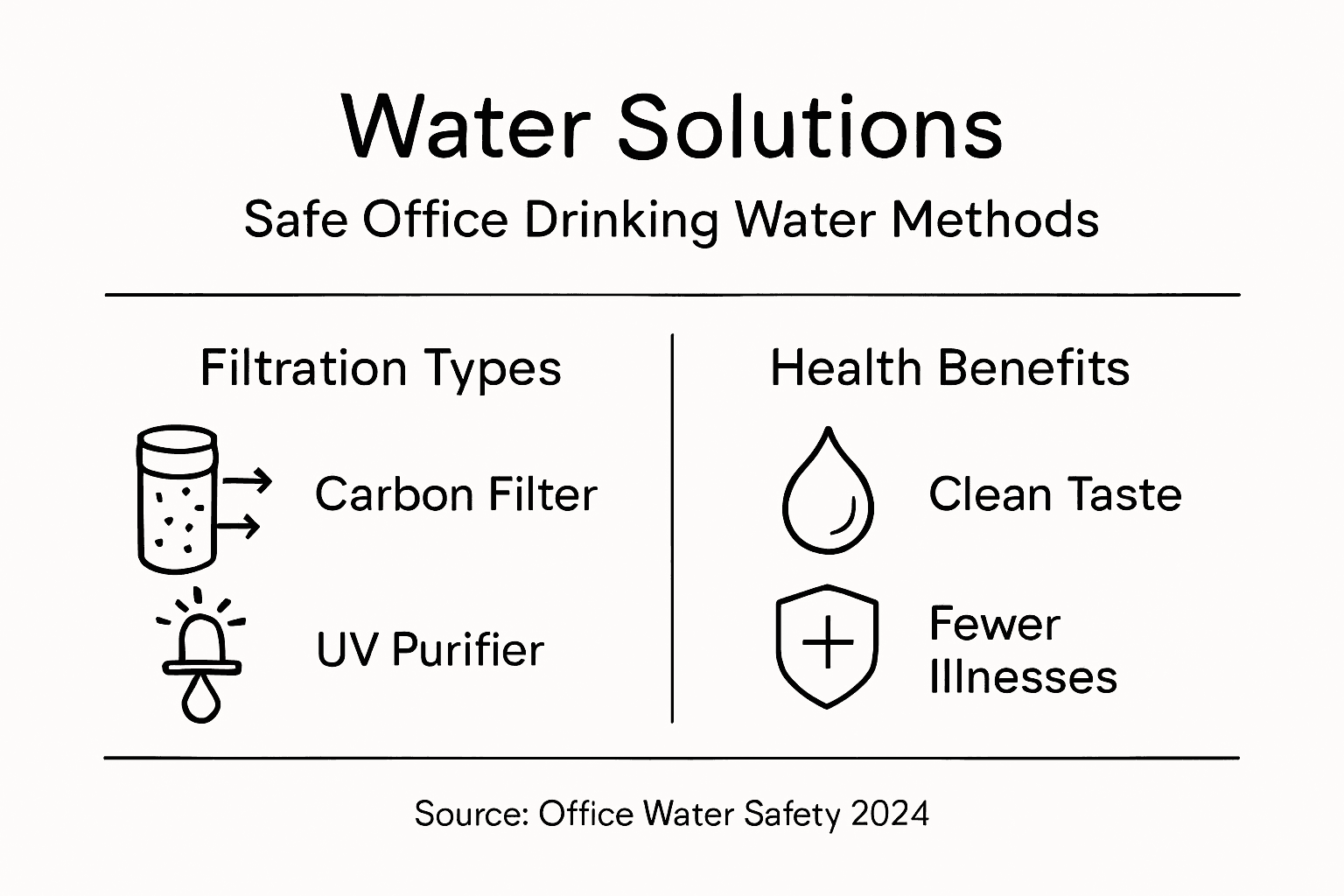
The most effective prevention strategies incorporate multiple filtration stages. Activated carbon filters can remove organic compounds, while advanced nanomaterial technologies target microscopic contaminants that traditional methods might miss. Physical filtration techniques, combined with chemical treatment processes, create multi-layered defense mechanisms that systematically eliminate different types of pollutants from workplace water systems. This comprehensive approach ensures a more robust and reliable water quality management strategy.
Water purification solutions require ongoing monitoring and proactive maintenance. Regular testing, system audits, and strategic interventions are essential to maintaining water quality standards. Advanced technologies like reverse osmosis, ultraviolet sanitization, and ion exchange can provide additional layers of protection, addressing both immediate contamination risks and long-term water system integrity. Managers must adopt a holistic approach that combines technological solutions with consistent quality management protocols.
Pro tip: Implement a quarterly comprehensive water quality assessment that goes beyond standard testing, examining emerging contaminants and utilizing multiple detection methodologies.
Below is a quick reference on office water purification technologies and their key advantages:
| Method | Primary Function | Best For |
|---|---|---|
| Activated Carbon | Removes organic compounds | Taste and odor issues |
| Reverse Osmosis | Eliminates dissolved solids | Broad contaminant removal |
| UV Sanitization | Destroys microorganisms | Disinfection purposes |
| Ion Exchange | Reduces heavy metals, hardness | Mineral control |
Protect Your Office from Hidden Water Pollution Risks Today
Managing workplace water quality is a critical challenge for office managers committed to employee health and safety. This article highlights how contaminants like heavy metals, PFAS, and harmful bacteria threaten office water supplies through unseen pollution pathways. If you want to safeguard your employees from long-term illnesses and acute infections caused by contaminated water, it is vital to invest in advanced purification solutions that address these complex issues.
Enhance your office water safety with Coway’s cutting-edge water purifiers featuring multi-stage filtration and UV sanitization technology designed to eliminate chemical, biological, and physical contaminants. Visit our Uncategorized Archives – Coway Water Purifier for a wide selection of models suited for any office size or setup.
Don’t wait for a health risk to appear. Take control of your workplace drinking water quality now. Explore our full range of reliable water filtration systems at Coway Water Purifier and find the perfect solution to keep your office employees safe and healthy. For details and expert advice, see our main website and make the proactive choice today.
Frequently Asked Questions
What are the main sources of water pollution in office environments?
Water pollution in offices generally arises from industrial discharge, agricultural runoff, and municipal wastewater systems, leading to the introduction of heavy metals, pesticides, and emerging contaminants like PFAS into water supplies.
How can I ensure the safety of drinking water in the workplace?
Implement periodic water quality testing using certified laboratory services to identify potential contaminants. Regular maintenance of plumbing systems and employing water purification technologies can also enhance water safety.
What types of contaminants should I be concerned about in office water?
Office water can be contaminated with chemical pollutants like heavy metals and nitrates, biological contaminants such as bacteria and viruses, physical particles like rust, and radiological substances. All these can pose health risks to employees.
What preventive measures can be taken to address water contamination in the office?
Employ comprehensive water quality management strategies, including advanced filtration methods, regular system audits, and the use of technologies such as reverse osmosis and UV sanitization to mitigate contamination risks.
Recommended
- Why Test Water Quality in Offices Today – Coway Water Purifier
- The Essential Guide to Purified Water for Offices – Coway Water Purifier
- Understanding the Benefits of Filtered Water for Offices – Coway Water Purifier
- Complete Office Water Purification Guide for Healthier Spaces – Coway Water Purifier
- 7 Reasons Anger and Conflict Still Exist with in the Workplace
