
Uncategorized
Why Test Water Quality in Offices Today

Jan
Over 80 percent of American office managers underestimate the impact that water quality can have on workplace health and productivity. In medium-sized companies, even minor contamination in drinking water can quietly affect morale, attendance, and overall wellness. Knowing how to identify and address these hidden risks can make a real difference for your team and help your company meet compliance standards while reducing preventable absences.
Table of Contents
- What Water Quality Testing Means For Offices
- Health Risks Linked To Poor Water Quality
- Legal Standards And Office Compliance
- Testing Methods And Interpretation Of Results
- Cost, Responsibility, And Wellness Benefits
Key Takeaways
| Point | Details |
|---|---|
| Importance of Water Quality Testing | Regular testing is essential for identifying contaminants that could impact employee health and maintaining workplace safety. |
| Health Risks of Contaminants | Contaminated drinking water can lead to serious health issues, including neurological damage and gastrointestinal illnesses. |
| Compliance with Regulations | Adhering to federal and state regulations is crucial to avoid legal consequences and ensure safe drinking water for employees. |
| Long-term Wellness Benefits | Investing in water quality management can enhance employee health, reduce sick days, and improve overall workplace productivity. |
What Water Quality Testing Means for Offices
Water quality testing represents a critical health and safety assessment for modern office environments. By systematically analyzing drinking water sources, organizations can detect potential contaminants that might compromise employee wellness. Water quality testing procedures provide comprehensive insights into the chemical, physical, and microbiological characteristics of workplace water supplies.
Professional water testing involves sophisticated laboratory analyses that screen for multiple potential hazards. Typical assessments evaluate critical parameters including bacterial presence, heavy metal concentrations, pH levels, and potential chemical pollutants. These evaluations help office managers understand exact water composition and identify any treatment requirements to ensure safe consumption. Accredited laboratories utilize advanced scientific techniques to provide precise, actionable water quality data.
The significance of water quality testing extends beyond immediate health concerns. Comprehensive testing enables proactive infrastructure management, helping offices prevent potential long-term equipment damage from mineral buildup or corrosive water conditions. Regular assessments also demonstrate organizational commitment to employee well-being and can help meet local health and safety regulatory standards.
Pro tip: Schedule professional water quality testing annually and maintain detailed records to track potential changes in your office’s water supply composition.
Health Risks Linked to Poor Water Quality
Office drinking water can harbor serious health risks when contamination goes undetected. Potential health hazards include exposure to dangerous substances like heavy metals, chemical byproducts, and microbial pathogens that can compromise employee wellness. These contaminants represent more than temporary discomfort – they can trigger significant long-term health complications.
The most concerning water contaminants pose serious risks across multiple physiological systems. Lead exposure can cause neurological damage, particularly affecting children and young adults. Chemical pollutants like PFAS have been linked to increased cancer risks, reproductive problems, and compromised immune function. Microbial contaminants such as bacteria and viruses can trigger acute gastrointestinal illnesses, potentially leading to widespread workplace productivity losses.
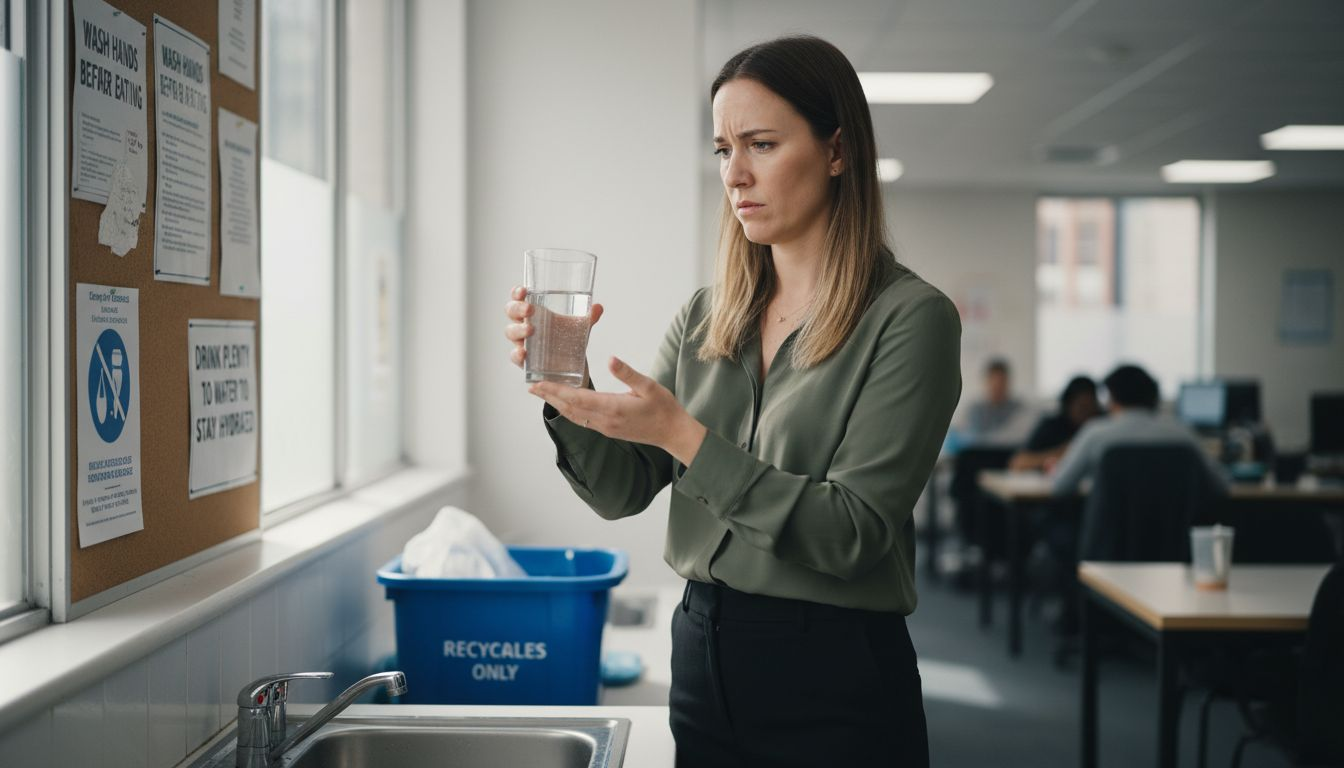
Specific health risks vary depending on the type and concentration of water contaminants. Some pollutants produce immediate symptoms like nausea or skin irritation, while others develop chronic conditions over extended periods. Emerging water quality research indicates that even low-level exposure to certain chemicals can accumulate and generate significant health challenges, making regular testing crucial for maintaining a safe workplace environment.
Here’s how common office water contaminants compare in terms of health risks and affected systems:
| Contaminant | Typical Health Effect | Main System Impacted | Risk Level |
|---|---|---|---|
| Lead | Neurological damage | Nervous system | High for youth |
| PFAS Chemicals | Cancer, reproductive issues | Immune, endocrine, digestive | Moderate-High |
| Bacteria/Viruses | Gastrointestinal illness | Digestive system | Variable |
| Heavy Metals | Organ dysfunction | Multiple organs | Moderate |
Pro tip: Request a comprehensive water quality report from your local water authority and cross-reference it with independent laboratory testing to ensure maximum employee safety.
Legal Standards and Office Compliance
Office water management involves navigating a complex landscape of federal and state regulations. The Safe Drinking Water Act establishes comprehensive guidelines that mandate rigorous water quality standards for commercial environments. These regulations require offices to monitor, test, and maintain drinking water systems to ensure they meet specific safety thresholds established by the Environmental Protection Agency (EPA).
Key compliance requirements include regular water quality testing, maintaining detailed documentation, and promptly addressing any detected contaminants. Offices must track multiple parameters such as lead levels, microbial presence, chemical concentrations, and potential pollutants. Failure to comply can result in significant legal consequences, including substantial financial penalties, potential liability for employee health issues, and potential regulatory sanctions that could impact business operations.
Water quality reporting standards vary by state, with some jurisdictions implementing more stringent requirements beyond federal guidelines. Commercial buildings must stay informed about local regulations, which may include additional testing protocols, reporting frequencies, and specific contaminant thresholds. Proactive compliance involves working closely with certified water quality professionals who understand both federal and local regulatory landscapes.
Pro tip: Develop a comprehensive water quality compliance checklist that includes testing schedules, documentation procedures, and emergency response protocols to ensure consistent regulatory adherence.
Testing Methods and Interpretation of Results
Water quality testing methods require precision and specialized scientific protocols to accurately assess office drinking water safety. Professional laboratories utilize multiple sophisticated techniques to analyze water samples, including membrane filtration for bacterial contaminants, spectroscopic analysis for chemical compounds, and advanced instrumental methods to detect trace metal concentrations.
The testing process involves carefully collected samples that represent the entire water system. Technicians use sterile collection containers and follow strict chain-of-custody procedures to prevent contamination. Different testing approaches target specific contaminant categories: microbiological tests screen for harmful bacteria, chemical analyses detect potential pollutants, and physical assessments evaluate water characteristics like pH, turbidity, and mineral content.
Here’s a summary of the most widely used water testing methods and what they reveal:
| Method Used | Detects | Business Insight Provided |
|---|---|---|
| Membrane filtration | Harmful bacteria | Identifies microbiological risks |
| Spectroscopic analysis | Chemical compounds | Pinpoints chemical pollutants |
| Instrumental analysis | Trace heavy metals | Reveals metal concentrations |
| Physical assessments | pH, turbidity, minerals | Shows water characteristics |
Laboratory water quality reports provide comprehensive data that require careful interpretation. Results typically compare detected contaminant levels against established EPA safety thresholds. Office managers must understand how to read these technical documents, identifying whether detected substances fall within acceptable ranges or signal potential health risks that demand immediate intervention. Critical parameters include lead levels, bacterial presence, chemical concentrations, and potential emerging contaminants.
Pro tip: Request a detailed explanation from your testing laboratory about any detected contaminants, and always maintain a comprehensive archive of water quality test results for ongoing monitoring and potential future reference.
Cost, Responsibility, and Wellness Benefits
Water quality testing costs vary widely depending on the comprehensiveness of analysis, ranging from basic screenings to extensive multi-contaminant examinations. For medium-sized offices, annual water quality testing typically represents a strategic investment that can range from $200 to $1,000, depending on the complexity of assessments and number of water sources requiring evaluation.
The primary responsibility for water quality management falls squarely on building management and organizational leadership. This includes budgeting for regular testing, maintaining documentation, implementing necessary treatment solutions, and ensuring consistent monitoring. While the upfront costs might seem substantial, they pale in comparison to potential expenses associated with health-related workplace disruptions, potential legal liabilities, and long-term employee wellness challenges.
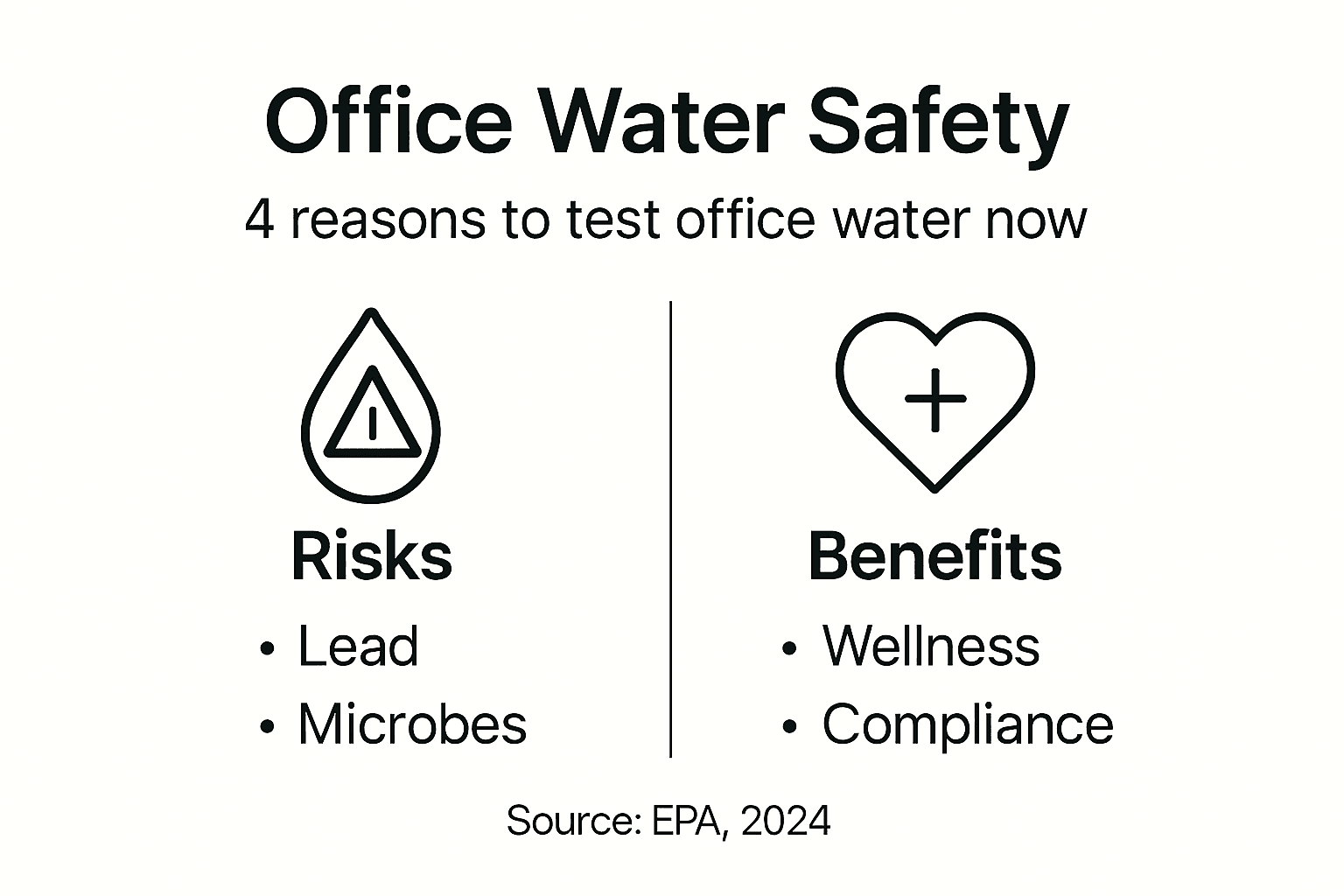
Workplace water quality management delivers significant wellness benefits that extend beyond simple compliance. Proactive water testing demonstrates organizational commitment to employee health, potentially reducing sick days, improving overall workplace productivity, and creating a culture of care. Studies suggest that employees who feel their workplace prioritizes health safety are more engaged, experience lower stress levels, and demonstrate increased job satisfaction.
Pro tip: Consider negotiating comprehensive water testing packages with laboratories that offer annual contracts, which can provide cost savings and consistent monitoring throughout the year.
Ensure Safe Office Water with Trusted Filtration Solutions
Maintaining excellent water quality at your office is vital to protect employee health and meet regulatory requirements. This article highlights the hidden risks in office water supplies such as lead, bacteria, and chemical contaminants that can affect well-being and productivity. If your workplace water testing uncovers issues or you want to prevent future problems, choosing a reliable purification system is essential.
Boost your office’s confidence in drinking water safety with Coway’s advanced filtration technology. Our range of water purifiers incorporates features like UV sanitization and multi-stage filtration designed to remove harmful pollutants and impurities. Backed by comprehensive service including free delivery and installation, Coway makes it simple to ensure clean water for employees year-round.
Explore options tailored for office environments by visiting Uncategorized Archives – Coway Water Purifier.
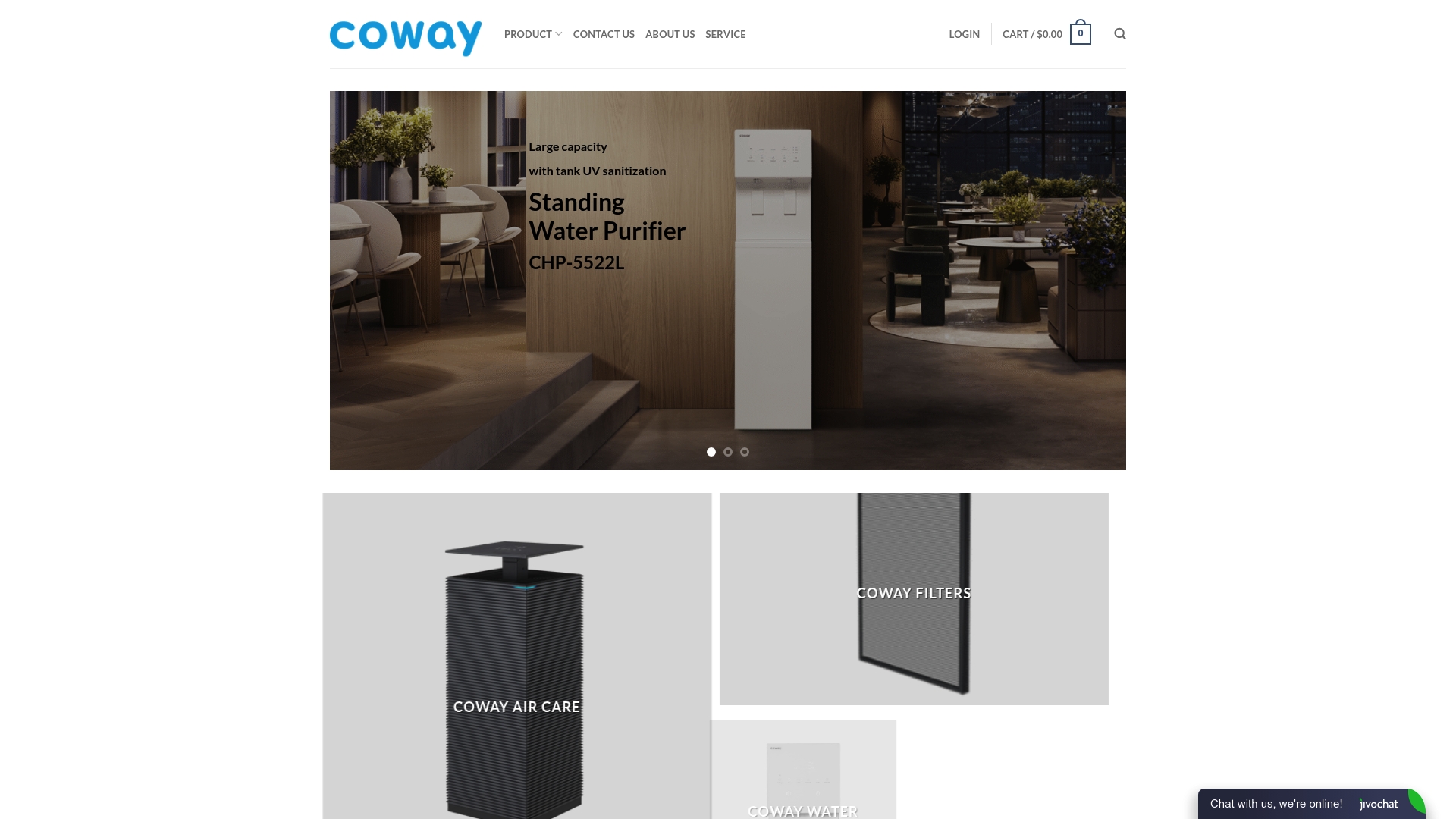
Take control of your workplace water quality today with proven solutions from Coway Water Purifier. Don’t wait for a contamination issue to arise. Act now to safeguard health, comply with legal standards, and promote employee wellness with equipment designed for your needs.
Frequently Asked Questions
Why is water quality testing important for offices?
Water quality testing is crucial for offices to detect potential contaminants in drinking water, which can pose serious health risks to employees. Regular testing helps ensure safe consumption and can also prevent damage to office equipment.
What health risks are associated with poor water quality in the workplace?
Poor water quality can expose employees to hazardous substances like heavy metals, chemical pollutants, and microbial pathogens. These contaminants can lead to neurological damage, gastrointestinal illnesses, and long-term health complications.
How often should offices conduct water quality testing?
Offices should schedule professional water quality testing at least annually. Regular assessments help track changes in water composition and demonstrate a commitment to employee well-being.
What are the main testing methods used to assess water quality in offices?
Common water quality testing methods include membrane filtration for bacteria, spectroscopic analysis for chemicals, and instrumental analysis for heavy metals. These techniques provide comprehensive data on the safety of drinking water.
Recommended
- Complete Office Water Purification Guide for Healthier Spaces – Coway Water Purifier
- The Essential Guide to Purified Water for Offices – Coway Water Purifier
- Complete Office Water Purifier Installation Guide – Coway Water Purifier
- Understanding the Benefits of Filtered Water for Offices – Coway Water Purifier
- Corrosion Protection: Safeguarding Water Facilities
- Understanding Tap Water Lisbon: Quality and Safety Insights
