
Uncategorized
Why Choose Air Purifiers: Complete Guide
Nov
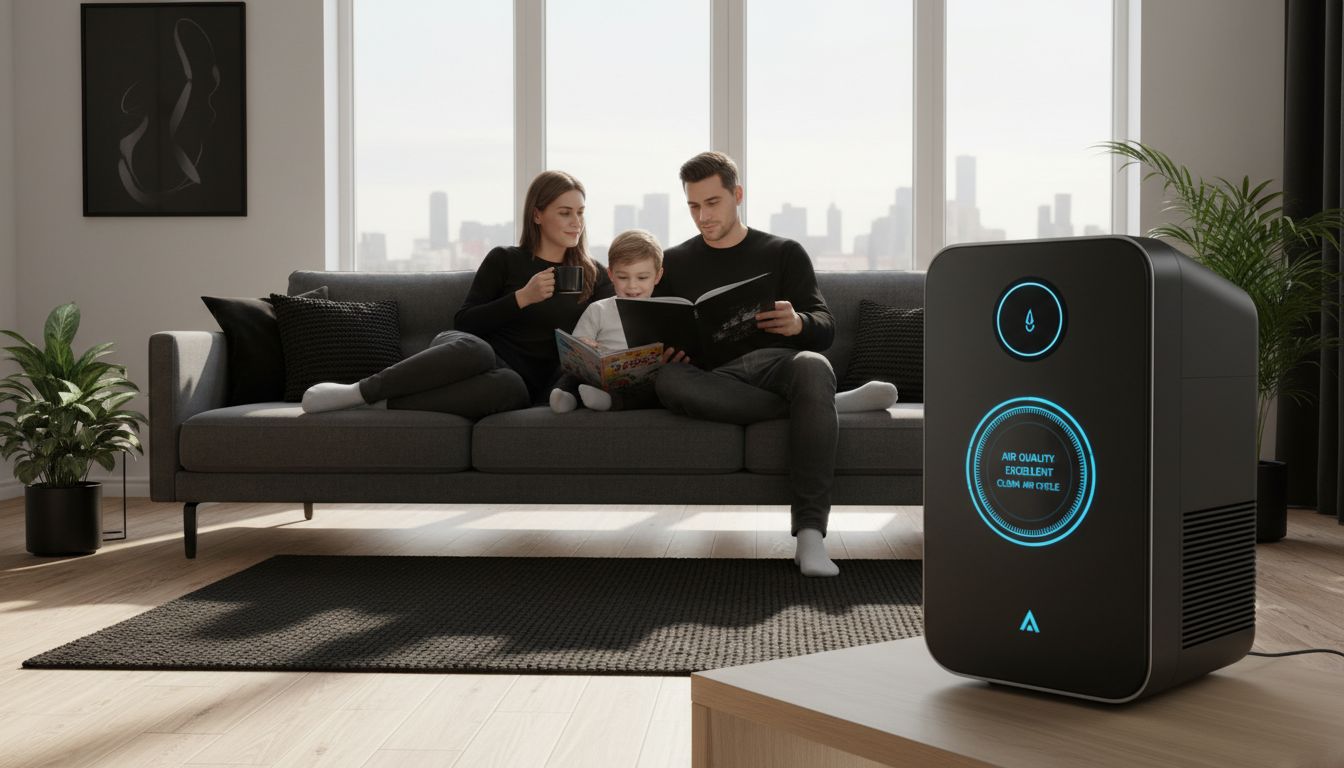
Over 40 million american households use air purifiers to help create cleaner indoor environments. With rising concerns about allergens, pollution, and airborne illnesses, finding effective ways to improve the air we breathe has never mattered more. Understanding how air purifiers work, what sets the main types apart, and the real benefits they offer will help you make the best choice for a healthier home or workplace.
Table of Contents
- What Are Air Purifiers And How They Work
- Types Of Air Purifiers And Key Differences
- Benefits For Health, Home, And Business
- Understanding Advanced Filtration Technologies
- Comparing Air Purifiers To Other Solutions
- Costs, Maintenance, And Common Mistakes
Key Takeaways
| Point | Details |
|---|---|
| Air Purifier Functionality | Air purifiers filter contaminants like dust, pollen, and allergens to improve indoor air quality. HEPA filters are particularly effective, capturing 99.97% of particles as small as 0.3 microns. |
| Types of Air Purifiers | Key types include HEPA, activated carbon, UV light, and ionic purifiers, each designed for specific pollutants and applications. Choosing the right type depends on the specific air quality needs. |
| Health Benefits | Air purifiers can significantly reduce airborne allergens and pollutants, improving respiratory health for vulnerable individuals. This leads to fewer allergy attacks and better overall wellbeing. |
| Maintenance Considerations | Regular filter replacement and maintenance are crucial for optimal performance. Neglecting these can reduce effectiveness and increase long-term costs. |
What Are Air Purifiers and How They Work
Air purifiers are sophisticated indoor air quality devices designed to remove contaminants, allergens, and pollutants from the ambient environment. According to Cleveland Clinic, these devices work by filtering out fine particles from the air, which can potentially lead to improvements in overall health and blood chemistry.
Air filtration technology operates through multiple mechanisms to clean indoor air. Typically, air purifiers utilize a combination of mechanical filters, activated carbon layers, and sometimes advanced technologies like UV light or ionization. The primary goal is capturing microscopic particles that traditional ventilation systems might miss, including:
- Dust and dust mites
- Pollen
- Pet dander
- Smoke particles
- Microscopic allergens
- Airborne bacteria
The core functionality involves drawing air through multiple filtration stages, trapping progressively smaller contaminants. HEPA filters, considered the gold standard, can capture particles as small as 0.3 microns with 99.97% efficiency. This means they can effectively remove most airborne pollutants, providing cleaner, healthier indoor air for residential and commercial spaces.
For those interested in understanding more about advanced air purification technologies, we recommend checking out our comprehensive guide to air purifier technologies. Each purification method offers unique benefits, making it crucial to select a system tailored to specific environmental needs and health concerns.
Types of Air Purifiers and Key Differences
Air purifiers come in several distinct technological variations, each designed to target specific indoor air quality challenges. According to IERE, these devices utilize multiple technologies including HEPA filters for particulate matter, activated carbon filters for gases and odors, UV-C light for pathogens, and ionic purifiers that release negatively charged ions to aggregate airborne particles.
The primary types of air purifiers can be categorized based on their filtration mechanisms:
- HEPA Filter Purifiers
- Capture 99.97% of particles as small as 0.3 microns
- Most effective for allergens, dust, and microscopic pollutants
- Ideal for homes with allergy sufferers
- Activated Carbon Purifiers
- Excellent for removing odors, smoke, and chemical vapors
- Absorb gaseous pollutants and volatile organic compounds
- Best for kitchens, areas with strong smells
- UV Light Purifiers
- Destroy microorganisms like bacteria and viruses
- Work best in combination with other filtration methods
- Provide an additional layer of sanitization
- Ionic Air Purifiers
- Release negative ions to capture airborne particles
- Quiet operation with no filter replacements
- Less effective compared to HEPA filtration
Choosing the right air purifier depends on specific indoor air quality needs. For a comprehensive breakdown of features that can transform your home’s air quality, explore our guide on top air purification features. Understanding these technological differences helps homeowners make informed decisions about protecting their indoor environment.
Benefits for Health, Home, and Business
Air purifiers offer comprehensive advantages that extend far beyond simple air filtration. According to Cleveland Clinic, these devices can significantly reduce airborne toxins, potentially improving lung and heart health by filtering out fine particles that directly impact blood chemistry.
Health Benefits are particularly pronounced for individuals with respiratory conditions. IERE highlights that air purifiers provide substantial relief for allergy sufferers, asthma patients, and those with sensitive respiratory systems by dramatically reducing airborne allergens and pollutants. The key health advantages include:
- Reducing airborne allergens like pollen and pet dander
- Minimizing respiratory irritants
- Decreasing risk of airborne disease transmission
- Supporting cardiovascular health through improved air quality
- Mitigating potential triggers for asthma and allergy attacks
For businesses and commercial spaces, air purifiers create safer, healthier environments that protect employee wellness and improve overall workplace productivity. Clean air reduces sick days, enhances cognitive performance, and demonstrates a commitment to staff health.
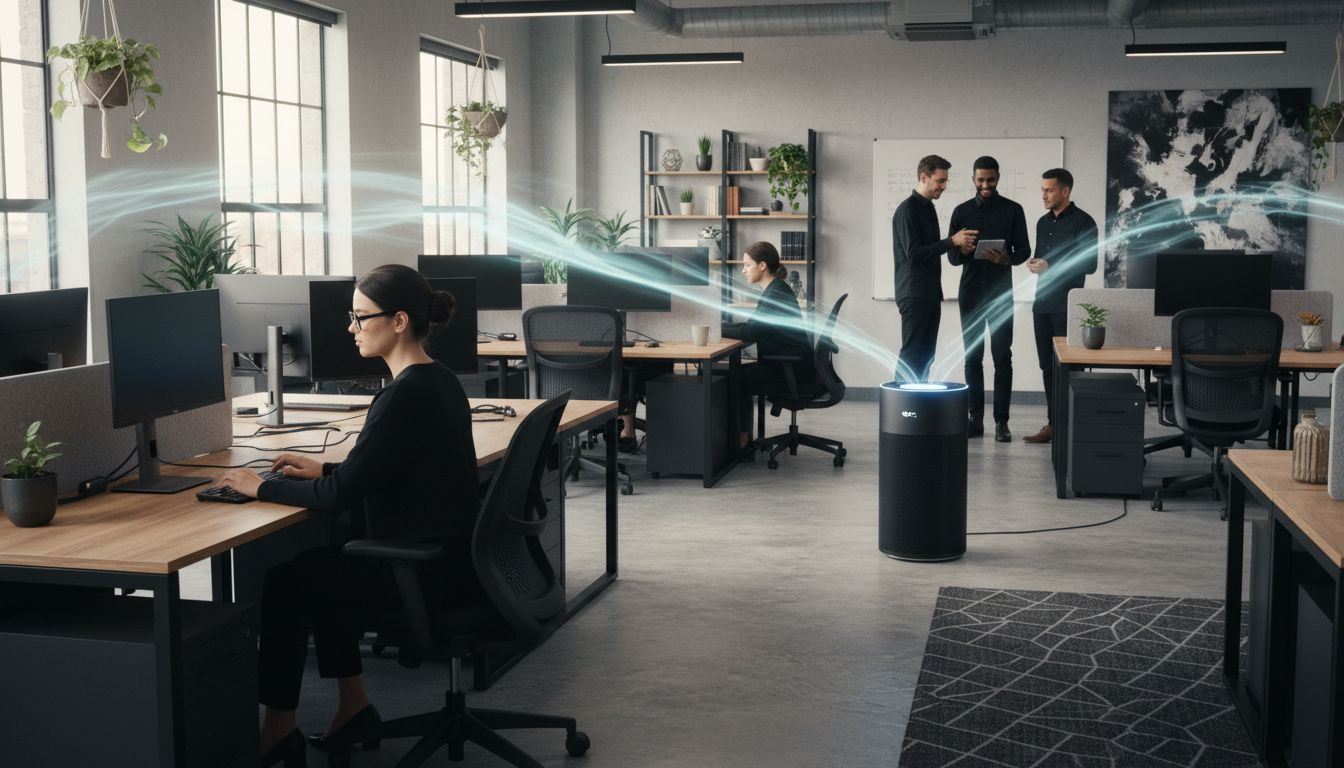 Our guide on commercial air purifier benefits provides deeper insights into how these systems transform workplace environments.
Home environments also experience transformative improvements with air purification technology. By removing microscopic pollutants, odors, and potential pathogens, these devices create a cleaner, more comfortable living space. From protecting young children and elderly family members to eliminating cooking smells and reducing dust accumulation, air purifiers represent a critical investment in residential wellness and comfort.
Understanding Advanced Filtration Technologies
Air purification has evolved dramatically, incorporating sophisticated technologies that go far beyond simple mechanical filtering. According to IERE, modern air purifiers now employ multiple advanced technologies designed to comprehensively address different types of indoor air contamination, including HEPA filters for particles, activated carbon filters for gases, UV-C light for pathogens, and ionic purifiers that release negatively charged ions to aggregate airborne particles.
The complexity of modern filtration technologies allows for multilayered air cleaning strategies. Multistage filtration systems represent the pinnacle of this technological advancement, combining different mechanisms to create comprehensive air purification:
- Mechanical Filtration Stage
- Captures large particles like dust and hair
- Uses progressively finer filter meshes
- Prevents larger contaminants from reaching deeper filter layers
- Chemical Filtration Stage
- Activated carbon absorbs odors and chemical vapors
- Neutralizes volatile organic compounds
- Removes smoke and cooking-related pollutants
- Biological Neutralization Stage
- UV-C light destroys microorganisms
- Inactivates bacteria, viruses, and mold spores
- Provides an additional layer of sanitization
These advanced technologies transform air purifiers from simple filtering devices into sophisticated indoor air quality management systems. For professionals seeking deeper insights into filtration innovations, our guide on the role of filtration technology offers comprehensive details about cutting-edge air treatment approaches. The future of indoor air quality lies in understanding and leveraging these intricate, science-driven purification methodologies.
Comparing Air Purifiers to Other Solutions
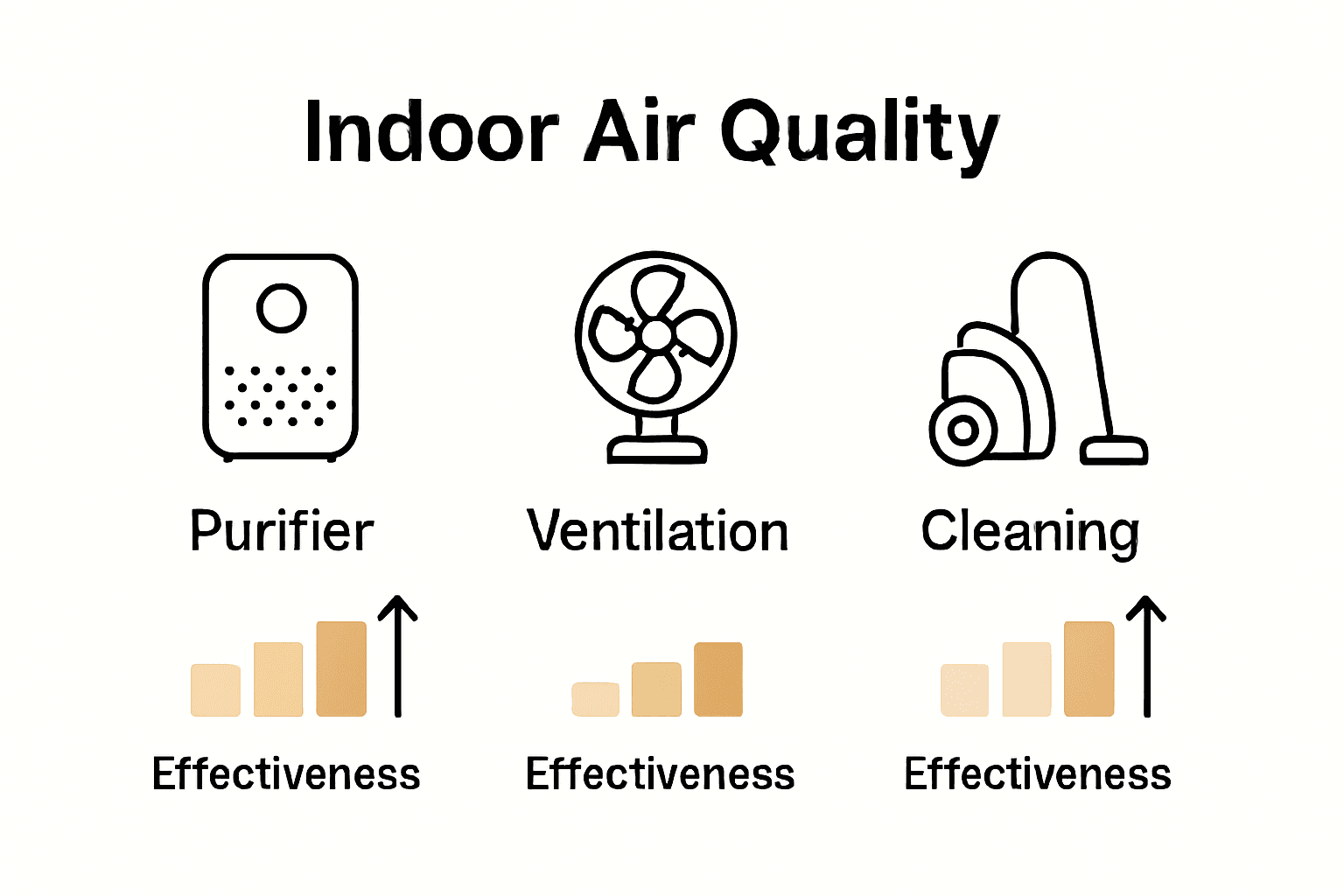
Indoor air quality management requires a multifaceted approach, with air purifiers serving as one critical component of a comprehensive strategy. According to American Lung Association, air cleaning and filtration can reduce airborne pollutants, but they cannot completely eliminate them and are not effective substitutes for source control or proper ventilation.
Comparing air purifiers to alternative solutions reveals both unique advantages and inherent limitations:
- Ventilation Systems
- Continuously exchange indoor and outdoor air
- Dilute pollutant concentrations
- Less targeted than air purifiers
- Higher energy consumption
- Natural Filtration Methods
- Indoor plants that absorb toxins
- Lower initial cost
- Limited effectiveness
- Requires significant plant density
- Traditional Cleaning Methods
- Regular dusting and vacuuming
- Removes surface contaminants
- Does not address airborne particles
- Labor-intensive approach
As Department of Health emphasizes, portable air cleaners can remove air contaminants effectively, but they work best when integrated with other indoor air health strategies. For homeowners seeking a comprehensive understanding of indoor air management, our guide on air versus water purifiers provides deeper insights into selecting the most appropriate air quality solution for specific environments.
Costs, Maintenance, and Common Mistakes
Air purifier ownership involves understanding ongoing expenses and maintenance requirements that impact long-term performance and efficiency. According to IERE, HEPA filters typically require replacement every 6-12 months, with activated carbon filters needing more frequent changes at 3-6 month intervals, depending on specific usage and environmental conditions.
The financial considerations of air purifier maintenance can be broken down into several key categories:
- Initial Investment
- Air purifier unit costs range from $100 to $1,000
- Higher-end models offer advanced filtration technologies
- Consider long-term value over upfront pricing
- Recurring Maintenance Expenses
- Replacement filter costs: $20-$200 per filter
- Annual filter replacement recommended
- Energy consumption varies by model efficiency
- Common Maintenance Mistakes
- Neglecting regular filter replacements
- Ignoring manufacturer-specific maintenance guidelines
- Placing purifier in suboptimal locations
- Failing to clean external unit surfaces
As American Lung Association suggests, consistent maintenance is crucial. Many homeowners underestimate the importance of timely filter changes, which can significantly reduce an air purifier’s effectiveness. Our guide on understanding air purifier technologies provides deeper insights into maximizing your device’s performance and longevity.
Elevate Your Indoor Air Quality with Coway Air Purifiers
If you are looking to breathe cleaner air and protect your home or workplace from allergens, dust, and microscopic pollutants then you need an air purifier designed with advanced filtration technology that truly delivers. This article shared the benefits and key features of effective air purification including HEPA filters, activated carbon layers, and UV sanitization all aimed at improving your health and indoor environment.
Discover how our Coway air purifiers bring these powerful concepts to life with reliable, science-driven solutions that fit your specific needs. Each model provides comprehensive filtration that removes contaminants, neutralizes odors, and helps reduce airborne risks linked to allergies and respiratory issues. Visit our Uncategorized Archives – Coway Water Purifier to explore models built to enhance your living space and safeguard your family.
Take control of your indoor air quality today with Coway’s trusted products. Don’t wait for allergens or pollutants to affect your health. Visit Coway Water Purifier now to explore our entire range, learn more about the Uncategorized Archives – Coway Water Purifier, and start enjoying cleaner air with free delivery, expert installation, and ongoing maintenance support. Your health deserves the best protection.
Frequently Asked Questions
What are air purifiers and how do they work?
Air purifiers are devices designed to remove contaminants, allergens, and pollutants from indoor air. They work by filtering out fine particles through mechanisms like HEPA filters, activated carbon layers, and sometimes advanced technologies such as UV light, capturing dust, pollen, pet dander, and even airborne bacteria.
What types of air purifiers are available and what makes them different?
Air purifiers typically include HEPA filter purifiers for capturing small particles, activated carbon purifiers for removing odors and gases, UV light purifiers for sanitizing microorganisms, and ionic purifiers that release negative ions to aggregate airborne particles. Each serves unique air quality needs.
Are air purifiers beneficial for health?
Yes, air purifiers can significantly improve health by reducing airborne allergens, minimizing respiratory irritants, and creating a cleaner indoor environment. They are especially beneficial for individuals with allergies, asthma, or other respiratory issues.
How do I maintain my air purifier for optimal performance?
To maintain your air purifier effectively, regularly replace the filters as recommended by the manufacturer, typically every 6-12 months for HEPA filters and 3-6 months for activated carbon filters. Also, ensure the unit is placed in an optimal location, and clean its external surfaces to maintain efficiency.
Recommended
- Complete Guide to Air Purifier Technologies – Coway Water Purifier
- Role of Air Purifiers: Everything You Need to Know – Coway Water Purifier
- Why Filter Indoor Air: Complete Guide for Homeowners – Coway Water Purifier
- Why Filter Indoor Air: Complete Homeowner Guide – Coway Water Purifier
- Air Quality and Carpets: Complete Guide for Homes – Yarra Valley Carpet Cleaning
