
Uncategorized
7 Essential Tips for Clean Office Water Solutions
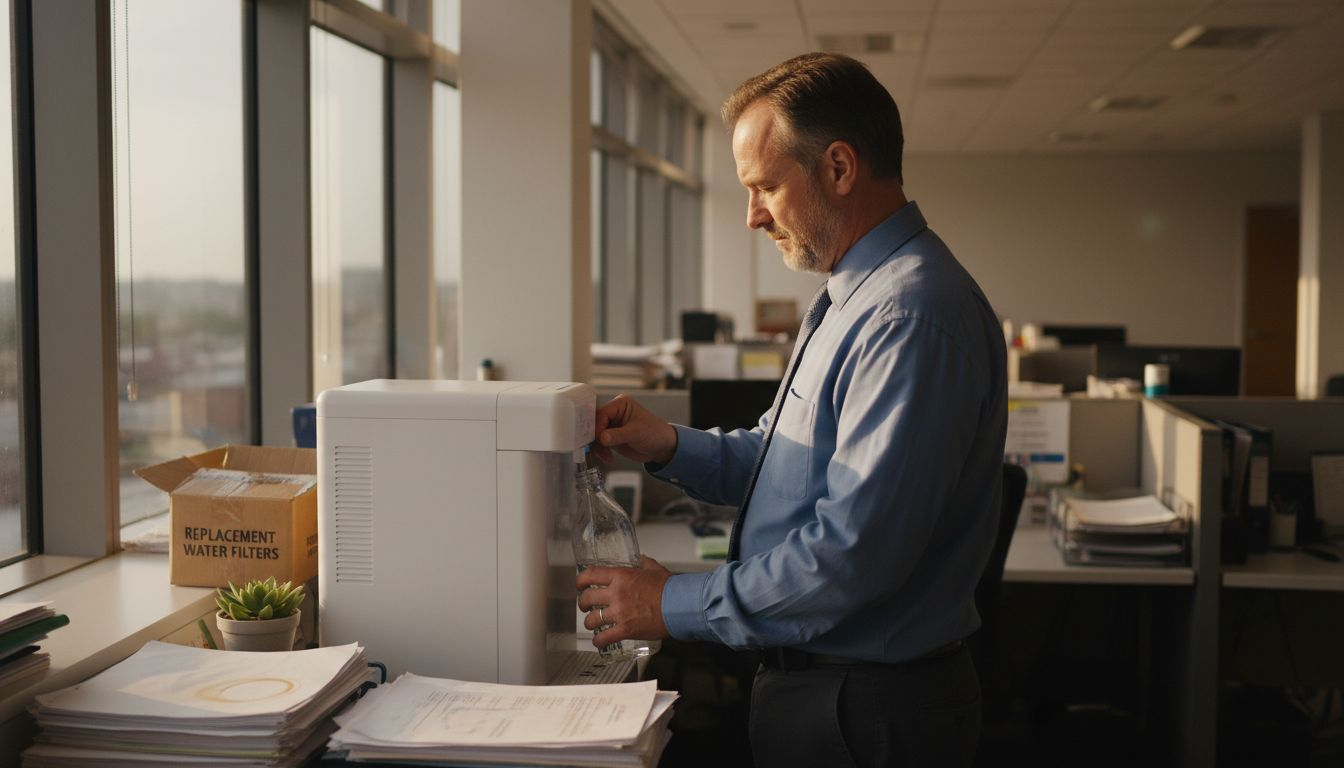
Feb
Finding truly clean and safe water for your office is not as simple as plugging in a dispenser or trusting tap water. Hidden contaminants, microbial threats, and inconsistent maintenance can undermine the health and confidence of everyone in your workplace. Offices need more than basic filtration to guarantee water quality day after day.
This list gives you practical steps and proven strategies for maintaining a water purifier that meets high standards and keeps your team protected. You will discover actionable insights drawn from advanced treatment practices, official maintenance guidelines, and modern purification technologies used in workplaces across the United States.
Get ready to unlock the most effective methods for selecting, maintaining, and optimizing your office water purifier. These tips will help you avoid common risks and provide safe, great-tasting water for everyone at work.
Table of Contents
- 1. Choose an Advanced Office Water Purifier
- 2. Schedule Regular Filter Maintenance Checks
- 3. Opt for Purifiers with UV Sterilization
- 4. Inspect Water Dispensing Units Weekly
- 5. Educate Staff on Proper Water Handling
- 6. Test Water Quality Periodically
- 7. Use Professional Installation Services
Quick Summary
| Takeaway | Explanation |
|---|---|
| 1. Choose an Advanced Water Purifier | Select a system that utilizes multiple purification technologies for optimal drinking water quality. |
| 2. Schedule Regular Maintenance Checks | Conduct routine inspections to ensure reliable performance and safety of the water purification system. |
| 3. Opt for UV Sterilization | Incorporate UV treatment to eliminate harmful microorganisms without using chemicals. |
| 4. Inspect Water Units Weekly | Perform weekly checks on dispensing units to prevent contamination and ensure cleanliness. |
| 5. Educate Staff on Water Handling | Train employees on proper hygiene practices to maintain water safety and quality. |
1. Choose an Advanced Office Water Purifier
Selecting the right water purifier for your office is more than just a purchasing decision – it’s an investment in workplace health and productivity. Advanced water purification technologies have revolutionized how organizations approach drinking water quality, offering far more than traditional filtration methods.
Modern office water purifiers leverage sophisticated advanced treatment strategies that go beyond basic filtration. These systems incorporate multiple purification technologies to ensure exceptional water quality:
- Reverse Osmosis: Removes microscopic contaminants and dissolved solids
- Activated Carbon Filtering: Eliminates chemical compounds and improves taste
- UV Light Treatment: Neutralizes harmful microorganisms and pathogens
- Membrane Filtration: Provides an additional layer of comprehensive purification
Advanced water purifiers transform ordinary tap water into a premium drinking experience for your entire workplace.
The key advantage of these advanced systems is their ability to address both visible and invisible water quality issues. Unlike traditional filters that might only improve taste, these purifiers remove emerging contaminants, microbial threats, and potentially harmful chemical byproducts.
When evaluating office water purifiers, consider systems that offer comprehensive filtration, easy maintenance, and proven performance. Look for units with certifications from recognized water quality organizations and transparent documentation about their filtration capabilities.
Pro tip: Request a detailed water quality report and purification performance data before making your final selection to ensure you’re investing in a system that meets your specific office needs.
2. Schedule Regular Filter Maintenance Checks
Maintaining your office water purifier is not just a recommendation – it’s a critical necessity for ensuring safe and clean drinking water. Your water filtration system’s performance depends directly on consistent and proactive maintenance.
National standards like NSF specify maintenance requirements that highlight the importance of routine filter checks. These guidelines emphasize how regular maintenance prevents potential health risks and system performance degradation.
Key maintenance activities include:
- Inspecting filter components for wear and tear
- Checking water flow rates and pressure
- Replacing filters according to manufacturer recommendations
- Documenting maintenance history and performance
Preventive maintenance is the cornerstone of reliable office water purification systems.
Professional maintenance involves more than just occasional filter replacements. It requires a systematic approach that tracks system performance, monitors contaminant levels, and anticipates potential issues before they become problematic.
Establish a maintenance tracking system that logs filter replacements, records water quality tests, and schedules routine professional inspections. This proactive strategy ensures your office water purifier consistently delivers high-quality drinking water.
Pro tip: Create a digital calendar with automatic reminders for filter replacements and schedule professional system evaluations at least twice per year to maintain optimal water quality.
3. Opt for Purifiers with UV Sterilization
Ensuring absolute water purity in your office goes beyond traditional filtration methods. UV sterilization represents a cutting-edge approach to water treatment that delivers unparalleled microbial protection without chemical additives.
Ultraviolet light technology works by targeting microorganism DNA and rendering harmful pathogens completely inactive. Unlike chemical treatments UV sterilization provides a clean disinfection method that neutralizes bacteria viruses and protozoa instantly.
Key advantages of UV sterilization include:
- Eliminates 99.99% of waterborne pathogens
- No chemical residue or byproducts
- Environmentally friendly purification method
- Works continuously without maintenance interruptions
- Provides an additional layer of water safety
UV sterilization transforms your office water purifier into a powerful microbial defense system.
When selecting a water purifier look for systems that utilize UVC wavelengths around 254 nm. These specific wavelengths are scientifically proven to inactivate microorganisms most effectively ensuring your workplace drinking water meets the highest safety standards.
Modern UV sterilization technologies complement existing filtration processes creating a comprehensive water treatment approach that addresses multiple contamination risks simultaneously.
Pro tip: Request detailed performance specifications from manufacturers showing the UV system’s pathogen inactivation rates and wavelength specifications to ensure optimal water protection.
4. Inspect Water Dispensing Units Weekly
Your office water dispensing units are more than just convenient hydration points – they are critical infrastructure that demands consistent monitoring. Weekly inspections are not optional they are essential for maintaining workplace water safety and preventing potential health risks.
Professional maintenance guidelines emphasize regular inspections to identify emerging issues before they become serious problems. A systematic weekly check can prevent contamination microbial growth and mechanical failures.
Key inspection points include:
- Check for visible leaks or water pooling
- Examine dispensing nozzles for mineral buildup
- Test water temperature and flow consistency
- Verify drip tray cleanliness
- Inspect external unit surfaces for dirt or damage
Weekly inspections are your first line of defense against waterborne health risks.
Thorough inspections require more than a quick visual scan. You need a structured approach that systematically evaluates every component of your water dispensing system. This means disassembling parts cleaning mechanisms and verifying that each element functions precisely as intended.
Documenting your inspection findings creates an accountability trail and helps track potential maintenance trends in your office water systems.
Pro tip: Create a standardized weekly inspection checklist with specific checkboxes for each component and assign a responsible team member to ensure consistent monitoring.
5. Educate Staff on Proper Water Handling
Ensuring clean office water goes far beyond sophisticated purification systems – it requires active staff participation and understanding. Water handling knowledge transforms your workplace from a potential contamination risk to a model of hygiene and safety.
Staff training is critical because human behavior can significantly impact water quality. Proper hygiene protocols prevent microbial contamination and protect everyone’s health.
Key education topics should include:
- Importance of hand washing before water interaction
- Avoiding direct contact with dispensing nozzles
- Proper use of water collection containers
- Recognizing and reporting potential contamination
- Understanding basic water safety principles
Educated staff are your most effective defense against workplace water contamination.
Training should be interactive and practical. Consider implementing hands-on demonstration sessions that show staff exactly how to interact with water dispensing units safely. Visual aids like posters near water stations can serve as constant reminders of best practices.
Regular training sessions help reinforce these critical behaviors and create a culture of collective responsibility for water safety.
Pro tip: Develop a simple one-page water handling guide and include it in new employee onboarding materials to ensure consistent understanding across your organization.
6. Test Water Quality Periodically
Your office water system is not immune to hidden contamination risks that can develop silently over time. Periodic water quality testing provides a critical line of defense against potential health hazards that might go unnoticed.
Comprehensive water testing standards offer a systematic approach to evaluating water safety across multiple parameters. These assessments go beyond simple visual inspections to detect potential threats.
Critical testing parameters include:
- Coliform bacteria levels
- Heavy metal concentrations
- Chemical contaminant presence
- Nitrate and nitrite measurements
- pH balance and mineral content
- Microbiological indicators
Regular water testing transforms uncertainty into documented safety.
Most organizations underestimate the importance of routine water quality monitoring. Professional testing provides an objective assessment that reveals potential issues before they become serious health concerns. Implement a quarterly or semi-annual testing schedule with certified laboratories specializing in commercial water analysis.
Documentation is key. Maintain comprehensive records of each water quality test to track potential trends and demonstrate your commitment to workplace health standards.
Pro tip: Select a certified water testing laboratory with experience in commercial office environments and request a detailed comprehensive report that provides actionable insights beyond basic measurements.
7. Use Professional Installation Services
A water purification system is only as reliable as its initial setup. Professional installation transforms a standard water filtration unit into a precision-engineered workplace wellness solution.
Professional installation services ensure your office water system meets rigorous technical and safety standards. Certified technicians bring specialized expertise that goes far beyond basic equipment placement.
Key benefits of professional installation include:
- Precise system configuration
- Compliance with local water safety regulations
- Minimized risk of installation errors
- Optimization of filtration performance
- Proper connection and plumbing integration
- Comprehensive system testing and certification
Expert installation is the foundation of reliable workplace water quality.
Technical expertise matters significantly when setting up complex water purification systems. Professional installers understand the intricate requirements of different water environments and can customize your system for maximum efficiency.
Beyond initial setup professional technicians provide valuable insights into maintenance protocols and system-specific performance expectations. They can identify potential challenges before they become costly problems.
Pro tip: Request detailed documentation from your installation team including system specifications performance benchmarks and recommended maintenance schedules to support long-term water quality management.
Below is a comprehensive table summarizing the key points and actionable strategies discussed throughout the article on improving office water purification systems.
| Topic | Description | Key Considerations |
|---|---|---|
| Choosing Advanced Office Water Purifiers | Modern systems use multiple technologies like reverse osmosis and UV treatment to ensure exceptional quality. | Thoroughly evaluate systems for certifications and detailed performance data. |
| Scheduling Regular Maintenance | Regular checks ensure system efficiency and prevent health risks. Activities include replacing filters and inspecting components. | Implement a tracking system for proactive maintenance. |
| Incorporating UV Sterilization | UV light effectively neutralizes harmful microorganisms without chemicals. | Select systems with scientifically proven UVC wavelengths around 254 nm. |
| Weekly Inspection Protocols | Regularly check dispensing units for leaks, cleanliness, and mechanical performance. | Use standardized weekly checklists for thorough evaluations. |
| Staff Education | Educating staff on water handling prevents contamination risks and fosters safety. | Provide training sessions and materials during onboarding. |
| Periodic Water Quality Testing | Testing ensures health standards by measuring key water parameters. | Use certified labs and maintain detailed records of testing outcomes. |
| Professional Installation Services | Experts ensure proper setup and compliance with regulations, optimizing system performance. | Request documentation detailing configuration and maintenance schedules. |
Elevate Your Office Water Quality with Coway’s Advanced Purifiers
Maintaining clean and safe office drinking water requires more than just basic filtration. As detailed in the “7 Essential Tips for Clean Office Water Solutions,” challenges like microbial contamination, regular maintenance, and UV sterilization demand reliable, high-performance systems. If your goal is to protect your team’s health while boosting productivity through premium water quality consider solutions that offer advanced filtration technologies including reverse osmosis and UV sterilization.
Coway Water Purifier provides a comprehensive range of products designed to meet these exact needs. With features such as multi-stage purification, UV disinfection, and hassle-free maintenance services, Coway makes it easy to implement professional-level water safety standards in your workplace. Explore options that match your office environment from countertop to large-capacity systems and benefit from expert installation support.
Ready to transform your office water experience? Visit Coway Water Purifier to explore our product lineup and discover expert tips in the Uncategorized Archives – Coway Water Purifier. Don’t wait for water quality problems to arise take control now and ensure the healthiest hydration for your team today.
Frequently Asked Questions
How do I choose the right advanced office water purifier?
Choosing the right water purifier involves considering systems that offer multiple purification technologies, such as Reverse Osmosis and UV Light Treatment. Request a water quality report and purification performance data to ensure the system meets your workplace’s health needs.
What maintenance activities should I perform on my office water purifier?
Routine maintenance activities include inspecting filter components for wear, checking water flow rates, and replacing filters as recommended by the manufacturer. Document your maintenance history at least every three months to track overall system performance.
What are the benefits of using UV sterilization in my office water purifier?
UV sterilization effectively eliminates 99.99% of waterborne pathogens without any chemical byproducts, providing a safer drinking water option. Select a purifier that operates at specific UVC wavelengths for optimal pathogen inactivation in your office supplies.
How often should I inspect my office water dispensing units?
Inspect your office water dispensing units weekly to identify leaks, check for mineral buildup, and ensure proper functioning. Establish a checklist to guide your inspections and assign responsibilities to ensure consistent monitoring.
What staff training should I provide regarding water handling?
Train your staff on the importance of hygiene, proper water collection techniques, and how to report potential contamination. Consider using hands-on demonstrations and visual aids to reinforce these practices to maintain a clean drinking environment.
How frequently should I test the water quality in my office?
Conduct water quality tests at least quarterly or semi-annually to monitor for contaminants like bacteria and heavy metals. Keep detailed records of these tests to help identify trends and ensure your office water remains safe and healthy.
Recommended
- Office Water Pollution: Risks and Solutions for Managers – Coway Water Purifier
- The Essential Guide to Purified Water for Offices – Coway Water Purifier
- Complete Office Water Purification Guide for Healthier Spaces – Coway Water Purifier
- Why Test Water Quality in Offices Today – Coway Water Purifier
- 7 astuces optimisation protection foudre pour sites industriels
