
Uncategorized
Filter Replacement Cycles: Why Timing Matters
Jan
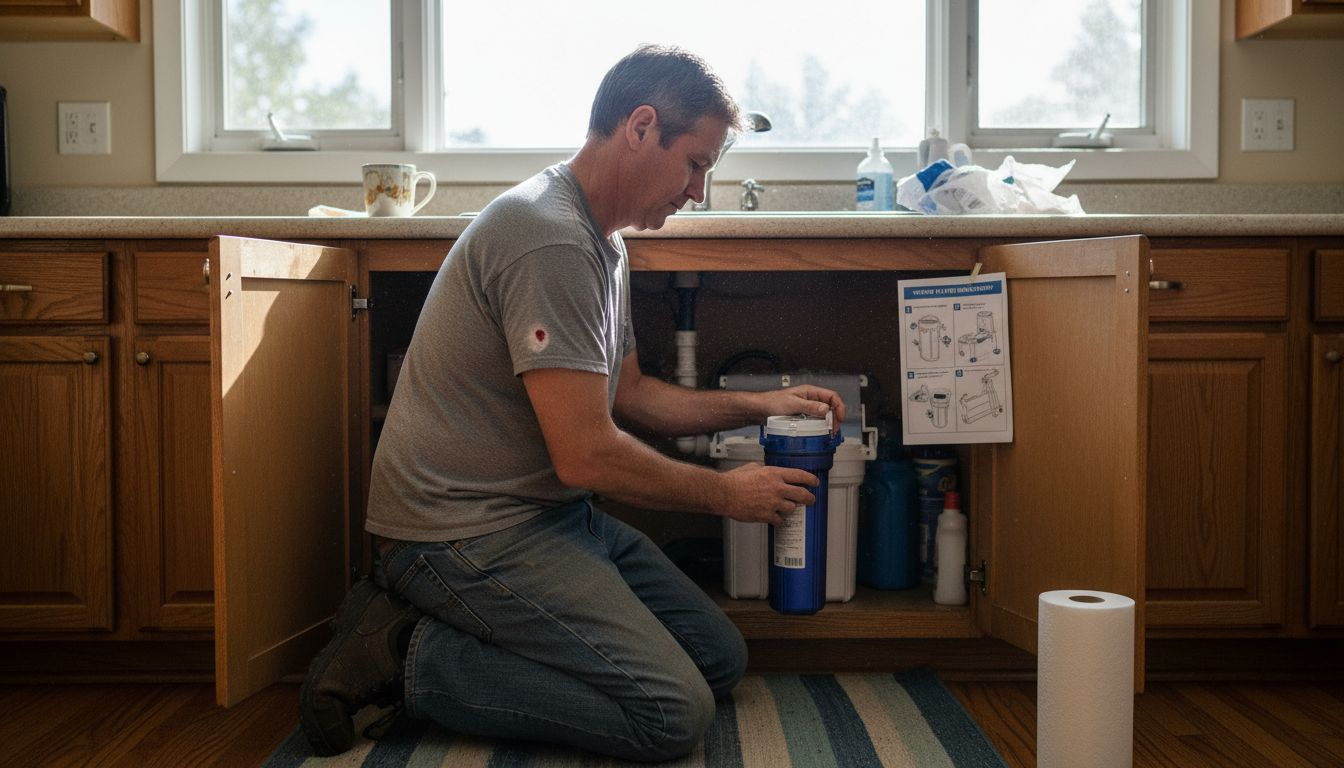
Over 40 percent of American families are concerned about the quality of their home water supply, yet many overlook one vital detail—how often to replace their water purifier filters. Regular filter changes protect your household from hidden contaminants, keep systems working efficiently, and prevent potentially costly repairs. With so much at stake, understanding the timing and signals for proper maintenance gives every American homeowner the peace of mind that comes with safe, clean water at every tap.
Table of Contents
- Understanding Filter Replacement Cycles
- Types of Water Purifier Filters and Lifespan
- Signs Your Filter Needs Replacement
- Health Risks of Skipping Filter Changes
- Avoiding Common Filter Maintenance Mistakes
Key Takeaways
| Point | Details |
|---|---|
| Filter Replacement is Essential | Timely filter replacement maintains optimal performance and protects health by preventing contaminants from circulating in water or air. |
| Monitor Filter Conditions | Look for signs such as unusual taste, reduced flow, or discoloration to determine when filters need replacing. |
| Understand Filter Lifespan | Different filter types have varying lifespans; tracking replacement schedules is crucial for maintaining system efficacy. |
| Avoid Maintenance Mistakes | Follow manufacturer guidelines and perform regular inspections to prevent filters from becoming sources of contamination. |
Understanding Filter Replacement Cycles
Filter replacement represents a critical aspect of maintaining water and air purification systems, directly impacting their performance and your health. When filters become saturated with contaminants, their effectiveness dramatically diminishes, compromising the quality of filtration. NSF research indicates that filter media gradually deteriorate as they capture particulate matter, making timely replacements essential for optimal system functionality.
The complexity of filter replacement cycles stems from multiple variables like water quality, usage intensity, and environmental conditions. Consumer Reports highlights that factors such as dust levels, household composition, and specific filtration technology significantly influence replacement frequency. Homeowners should monitor their filters for visible signs of wear, reduced water flow, or changes in taste and odor, which signal potential replacement needs.
Understanding these cycles requires a proactive approach. Different filter types have unique lifespans ranging from 2 to 12 months, depending on their specific design and intended use. Water filters for drinking systems might require more frequent changes compared to whole-house filtration units. Tracking manufacturer recommendations, conducting periodic visual inspections, and maintaining a consistent replacement schedule will help ensure continuous protection against contaminants.
Pro tip: Create a digital or physical calendar reminder to track your specific filter replacement dates and avoid overlooking critical maintenance intervals.
Types of Water Purifier Filters and Lifespan
Water purification technologies offer diverse filtration methods designed to remove different contaminants and improve overall water quality. NSF research highlights that water filters range from carbon and ceramic systems to advanced reverse osmosis and ultraviolet technologies, each targeting specific impurities with unique capabilities and lifespan characteristics.
Activated carbon filters represent a popular filtration method, typically lasting around three months. These filters excel at removing chlorine, sediment, and organic compounds that affect water taste and odor. Consumer Reports explains that more advanced filtration systems like reverse osmosis membranes can provide extended protection, with lifespans potentially reaching up to 12 months depending on water quality and usage conditions.
The primary filter types include:
- Carbon Filters: Ideal for improving taste, removing chlorine
- Reverse Osmosis: Comprehensive contaminant removal
- Ceramic Filters: Effective against bacteria and sediment
- Ultraviolet Systems: Neutralize microorganisms
- Ion Exchange: Softens water by removing mineral deposits
Understanding the specific characteristics of each filter type helps homeowners make informed decisions about water purification and maintenance strategies. Factors like water source, household size, and local water quality significantly influence filter selection and replacement frequency.
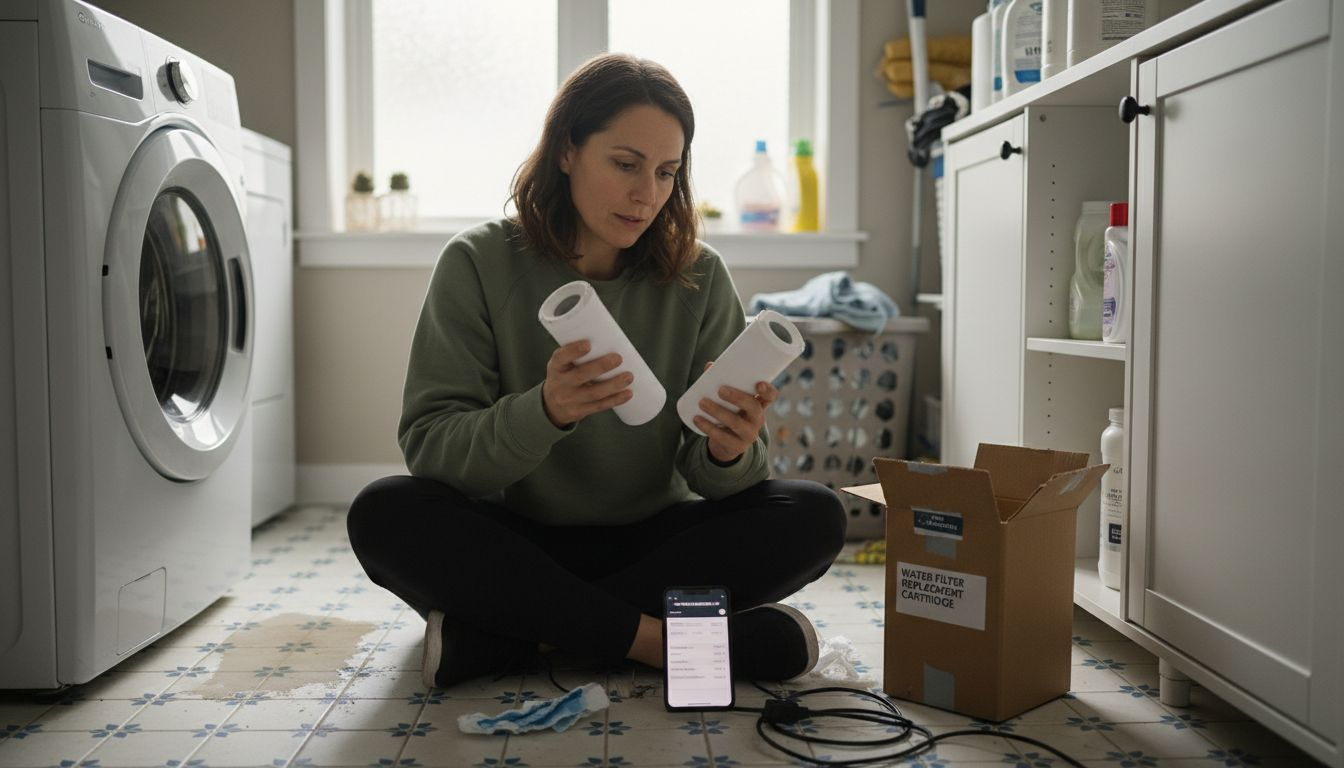
Pro tip: Maintain a detailed log tracking your specific filter model, installation date, and replacement schedule to optimize your water purification system’s performance.
Here’s a comparison of common water purifier filter types, showing their key advantages, drawbacks, and typical lifespan:
| Filter Type | Main Advantage | Potential Drawback | Typical Lifespan |
|---|---|---|---|
| Activated Carbon | Improves taste and odor | Limited removal of heavy metals | Around 3 months |
| Reverse Osmosis | Removes most contaminants | Higher water waste; costlier | Up to 12 months |
| Ceramic | Filters bacteria/sediment | Can break; slow filtration | 6–12 months |
| Ultraviolet | Neutralizes microorganisms | Needs electricity; no particulates removal | 9–12 months |
| Ion Exchange | Softens hard water | Does not filter bacteria | 6–12 months |
Signs Your Filter Needs Replacement
Water filtration systems provide critical protection for household water quality, but recognizing when filters require replacement is essential for maintaining optimal performance. Consumer Reports identifies several key indicators that signal it is time to change your water filter, including noticeable changes in water characteristics and system functionality.
Visual and sensory signals are the most immediate signs of filter degradation. Homeowners should watch for warning signs such as:
- Unusual or metallic taste in drinking water
- Reduced water pressure or flow rate
- Visible discoloration or cloudiness in filtered water
- Strange odors emerging from tap water
- Accumulation of sediment or particles in water
NSF research emphasizes that delaying filter replacement can lead to serious consequences beyond just compromised water quality. When filters become saturated, they can actually become breeding grounds for bacteria and allow contaminants to pass through more easily. This means that an outdated filter might introduce more harmful substances into your drinking water than it removes, transforming your filtration system from a protective mechanism into a potential health risk.
Advanced water purification systems often include built-in indicator lights or digital monitoring that can alert you to impending filter changes. However, relying solely on these mechanisms is not recommended. Regular manual inspection, tracking manufacturer guidelines, and maintaining a replacement schedule remain the most reliable strategies for ensuring consistent water quality.
Pro tip: Mark your calendar with filter replacement dates and set digital reminders to ensure you never miss a critical maintenance interval.
Health Risks of Skipping Filter Changes
Water filtration systems are critical protective barriers against harmful contaminants, but their effectiveness depends entirely on consistent maintenance. Nicholas Institute research warns that neglecting filter replacement can transform these protective systems into potential health hazards, potentially exposing families to dangerous substances like PFAS chemicals that are linked to serious medical conditions.
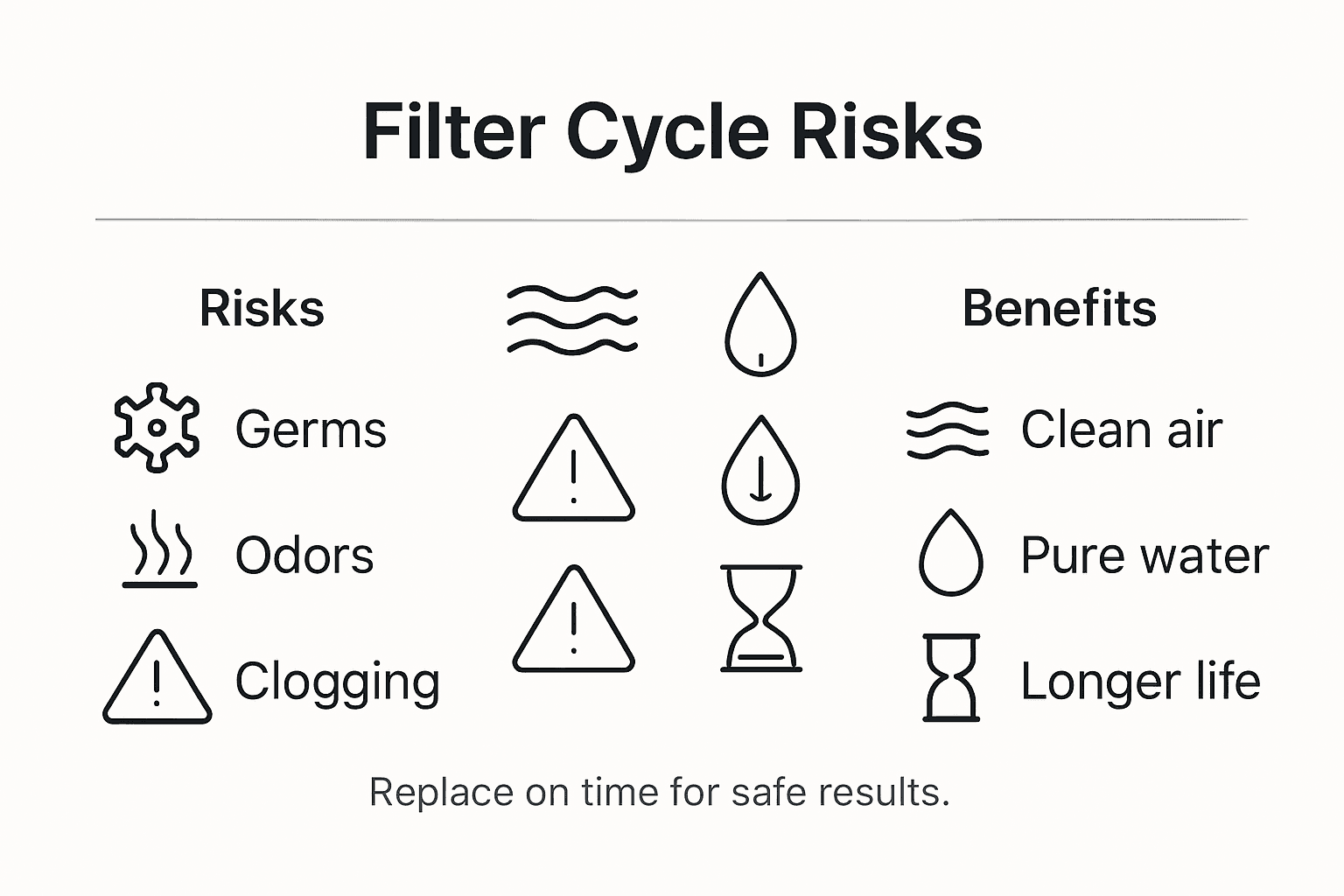
The potential health risks of skipping filter changes extend far beyond simple water quality concerns. Contaminated or saturated filters can become breeding grounds for dangerous microorganisms, allowing harmful elements to pass through more readily. Key health risks include:
- Increased exposure to toxic chemicals
- Potential cancer risk development
- Compromised immune system function
- Higher likelihood of developmental disorders
- Respiratory system complications
ASHRAE research highlights that prolonged filter neglect significantly reduces filtration efficiency, creating an environment where allergens, pathogens, and pollutants can freely circulate. This dramatically increases the risk of respiratory illnesses, allergic reactions, and potential infectious disease transmission. Filters are not just passive components but active guardians of household health, and their consistent replacement is crucial for maintaining a safe living environment.
The microscopic world of potential contaminants requires vigilant protection. Modern water and air filtration systems are sophisticated technologies designed to trap increasingly smaller and more dangerous particles. When filters become saturated, they lose their ability to effectively capture these microscopic threats, essentially becoming ineffective barriers that can potentially concentrate rather than eliminate harmful substances.
Pro tip: Create a dedicated digital or physical maintenance log to track filter replacement dates, ensuring you never compromise your family’s health through filter neglect.
The following table summarizes health risks associated with delayed filter replacement and protective benefits of timely maintenance:
| Risk of Delay | Example Hazard | Impact on Health | Timely Maintenance Benefit |
|---|---|---|---|
| Bacterial growth | E. coli, Legionella | Infections, illness | Stops microorganism exposure |
| Chemical contamination | PFAS, lead | Cancer, developmental issues | Reduces toxic chemical intake |
| Loss of filtration efficiency | Sediment, allergens | Allergies, respiratory woes | Maintains high air/water quality |
Avoiding Common Filter Maintenance Mistakes
Water filtration systems require meticulous care to maintain their effectiveness, and understanding common maintenance pitfalls is crucial for preserving water quality. ASHRAE research identifies several critical mistakes that homeowners frequently make, which can compromise the entire filtration process and potentially introduce health risks.
The most prevalent maintenance errors include:
- Ignoring manufacturer recommended replacement schedules
- Failing to properly inspect filter components
- Not monitoring water pressure and flow rates
- Using incorrect cleaning techniques
- Neglecting system seal integrity
Water Resources research emphasizes that improper maintenance goes beyond simple performance issues. Inappropriate handling can transform filters from protective barriers into potential sources of contamination. Filters that are not regularly inspected, cleaned, or replaced can become breeding grounds for harmful microorganisms, effectively reversing their intended protective function.
Most homeowners underestimate the complexity of filter maintenance. Each filtration system has unique requirements based on water source, usage intensity, and environmental conditions. Sophisticated filters demand more than basic cleaning they require systematic evaluation of multiple performance indicators. Understanding the specific maintenance protocol for your particular water purification system is essential for ensuring consistent, high-quality water filtration.
Pro tip: Create a dedicated maintenance checklist specific to your water filtration system, including precise replacement dates, inspection protocols, and performance tracking metrics.
Stay Ahead of Filter Replacement Challenges with Reliable Solutions
Understanding the importance of timely filter replacement is crucial to maintaining clean water and healthy air in your home. The article highlights common problems like diminished filtration efficiency and health risks that stem from delayed filter changes. You want a solution that not only delivers superior filtration but also helps you keep track of replacement cycles to avoid costly mistakes and potential exposure to harmful contaminants.
At Cowayswaterpurifier.com, you will find advanced water and air purification systems equipped with features such as UV sanitization and automated maintenance reminders designed to eliminate the guesswork from filter care. Our selection includes powerful countertop, under-sink, and large-capacity units that ensure your family’s health is protected by consistent, effective filtration.
Don’t risk your family’s well-being by missing critical maintenance intervals. Explore our range today and experience hassle-free filter replacement schedules backed by cutting-edge technology. Take control of your home’s water and air quality now by visiting Coway Water Purifier Solutions and secure your health with trusted products and expert support.
Frequently Asked Questions
How often should I replace my water filters?
The frequency of filter replacement varies depending on the type of filter and water quality, but generally ranges from 2 to 12 months. Activated carbon filters typically last around 3 months, while reverse osmosis membranes can last up to 12 months.
What are the signs that a water filter needs to be replaced?
Key signs include unusual taste or odor in the water, reduced water pressure, visible discoloration or cloudiness, and sediment accumulation. Monitoring these indicators is crucial to maintain water quality.
What happens if I skip replacing my air or water filters?
Neglecting filter replacement can lead to decreased filtration efficiency, increased exposure to contaminants, and potential health risks, such as waterborne illnesses or respiratory problems due to trapped bacteria or allergens.
Do all filter types have the same lifespan?
No, each filter type has a different lifespan based on its specific design and intended use. For instance, activated carbon filters usually last about 3 months, while ceramic and ion exchange filters can last between 6 to 12 months depending on usage and maintenance conditions.
Recommended
- Filter Replacement – Why Timely Changes Matter – Coway Water Purifier
- Importance of Regular Filter Replacement – Safeguarding Health at Home – Coway Water Purifier
- Understanding Water Filter Lifespan: Key Insights Explained – Coway Water Purifier
- The Essential Guide to Regular Filter Replacement – Coway Water Purifier
