
Uncategorized
Purification Industry Standards Explained: Impact on Health
Dec
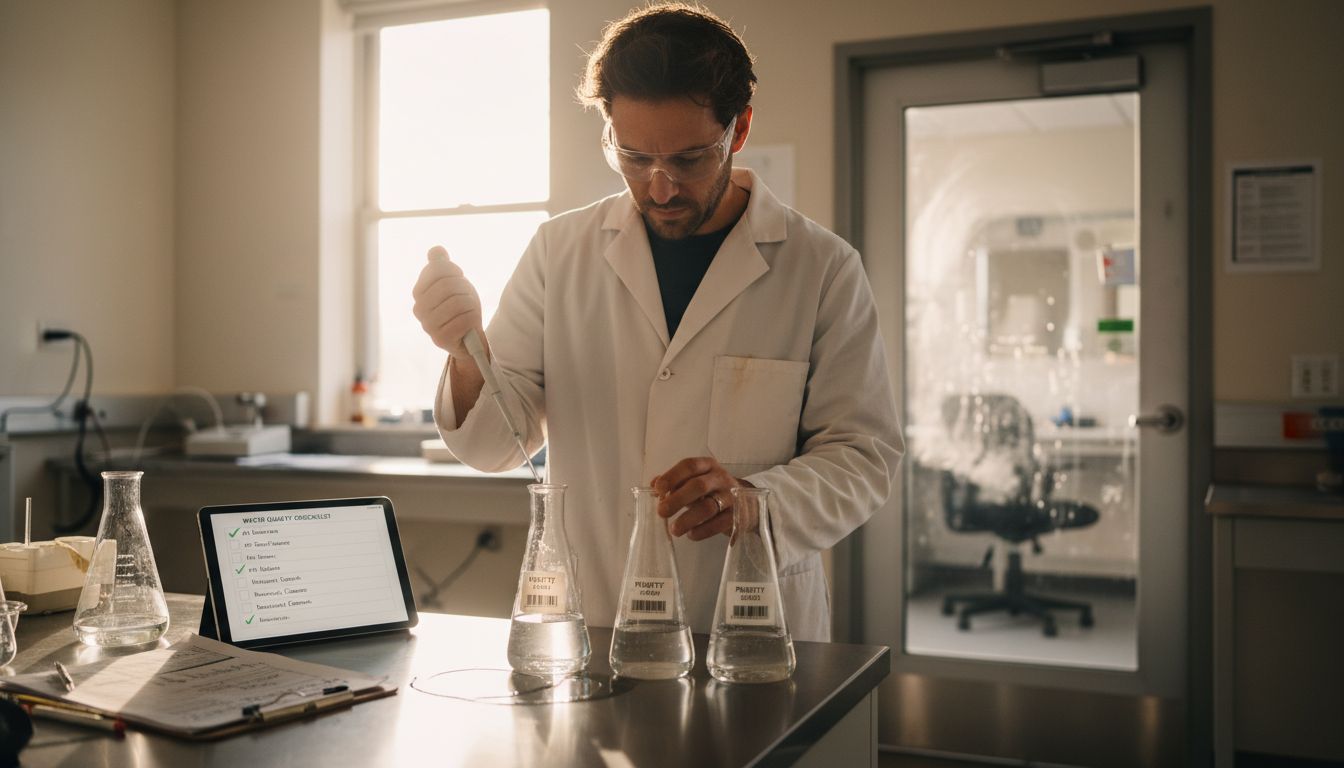
Most American households trust that clear water flowing from the tap meets high safety standards, yet only about one in three are actually familiar with what those standards mean. Understanding purification industry guidelines matters for both health and peace of mind, since these rules shape everything from what you drink to the air you breathe indoors. This guide breaks down the science, reveals common misconceptions, and makes the complex world of purification standards easier to navigate for consumers and professionals alike.
Table of Contents
- Purification Industry Standards Defined and Debunked
- Types of Water and Air Purification Standards
- Key Testing Protocols and Certification Processes
- U.S. Regulatory Bodies and Compliance Requirements
- Health and Safety Implications for Consumers
- Common Compliance Challenges and Mistakes
Key Takeaways
| Point | Details |
|---|---|
| Understanding Standards | Familiarize yourself with key purification standards like NSF/ANSI 42 and 53 to evaluate system effectiveness. |
| Consumer Awareness | Examine certification details instead of relying solely on marketing claims to make informed decisions about purification technologies. |
| Regulatory Compliance | Acknowledge that compliance is ongoing, requiring regular maintenance, inspections, and adherence to regulatory benchmarks. |
| Health Considerations | Prioritize systems that effectively remove contaminants and assess potential health implications related to filtration choices. |
Purification Industry Standards Defined and Debunked
Purification standards represent the backbone of health and safety protocols in water treatment technologies. These complex guidelines determine how effectively systems remove contaminants, protect consumer health, and ensure water quality meets rigorous scientific benchmarks.
Industry experts have developed multiple standardization frameworks to classify water treatment performance. NSF International provides critical standards that categorize filtration systems based on their specific capabilities. Two primary standards emerge as particularly significant:
- NSF/ANSI 42: Addresses aesthetic water quality improvements
- NSF/ANSI 53: Focuses on removing health-related contaminants
Understanding these standards requires recognizing their nuanced approach to water purification. Ultrapure water standards demonstrate the complexity of defining absolute purity, revealing that “pure” is not a binary concept but a sophisticated spectrum of filtration effectiveness. Different industries require different levels of water treatment, from residential drinking water to high-precision laboratory environments.
The most advanced purification systems integrate multiple standard classifications, ensuring comprehensive contaminant removal. Consumers should look beyond marketing claims and examine specific certification details, understanding that each standard represents a targeted approach to water quality management. By decoding these technical specifications, individuals can make informed decisions about their water treatment solutions.
Types of Water and Air Purification Standards
Purification standards represent a complex framework of scientifically developed guidelines that ensure water and air treatment technologies meet rigorous health and safety requirements. These standards provide critical benchmarks for manufacturers, regulators, and consumers to evaluate the effectiveness of filtration systems.
NSF International outlines comprehensive standards that categorize different purification technologies across multiple domains. Key standards include:
- NSF/ANSI 14: Addresses plastic piping systems
- NSF/ANSI 50: Covers standards for pools and spa equipment
- NSF/ANSI 42: Focuses on aesthetic water quality improvements
- NSF/ANSI 53: Targets health-related contaminant removal
Comprehensive water treatment guidelines reveal that purification standards extend beyond simple filtration, encompassing complex requirements for air filters, ozone generators, and advanced treatment technologies. These multi-dimensional standards ensure that purification systems not only remove visible contaminants but also address microscopic threats to human health.
Understanding these standards requires recognizing their nuanced approach to environmental safety. Different industries demand specialized standards, ranging from residential drinking water systems to high-precision laboratory environments. Consumers and professionals must look beyond marketing claims, examining specific certification details to truly comprehend a purification system’s capabilities and limitations.
Key Testing Protocols and Certification Processes
Water and air purification technologies undergo rigorous testing to ensure they meet the highest standards of safety and performance. Comprehensive testing protocols examine multiple dimensions of filtration systems, evaluating everything from structural integrity to contaminant removal capabilities.
The certification process involves several critical stages:
- Initial Design Review: Analyzing system components and potential performance limitations
- Performance Testing: Measuring contaminant reduction efficiency
- Material Safety Evaluation: Ensuring no harmful substances leach into treated water or air
- Ongoing Compliance Monitoring: Periodic re-evaluation of system performance
NSF certification marks represent a critical benchmark for drinking water treatment systems, providing consumers with an independent verification of product safety and effectiveness. These certifications go beyond simple marketing claims, requiring manufacturers to demonstrate consistent performance across multiple scientific parameters.
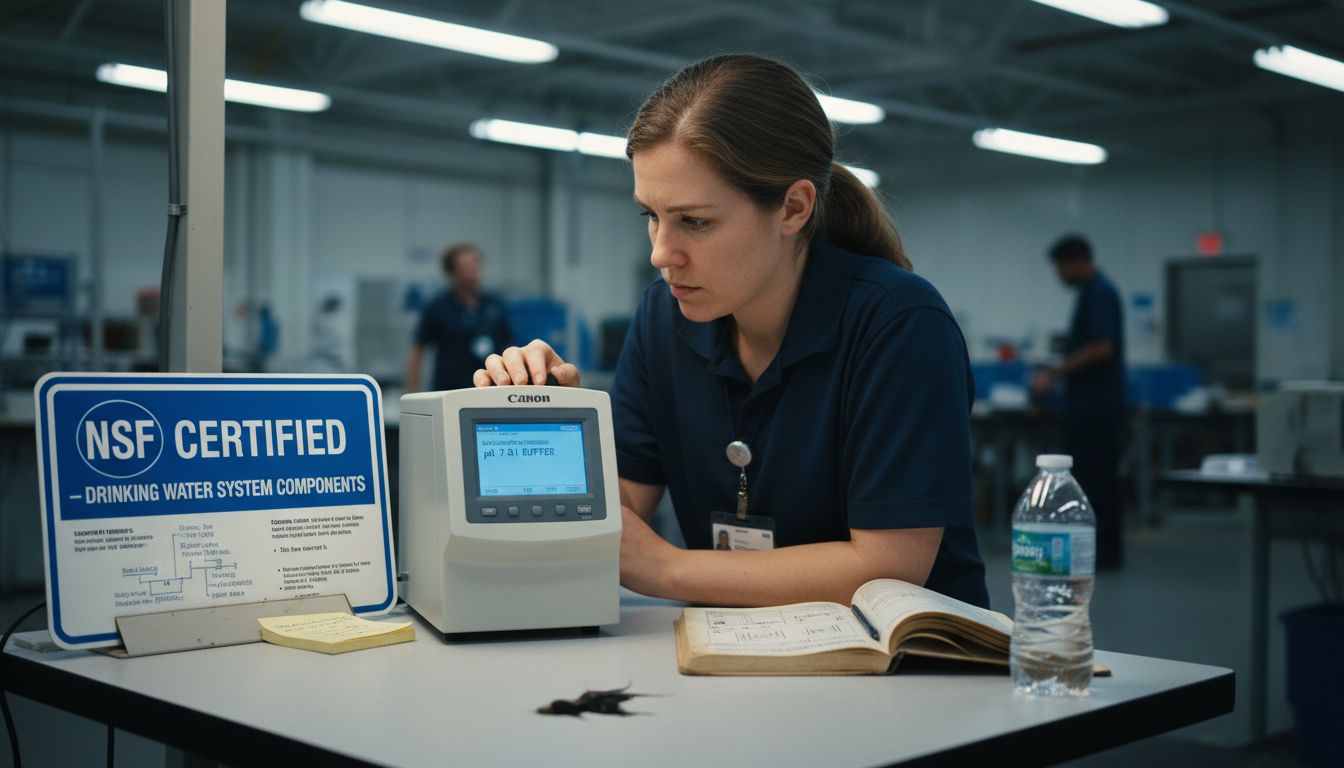
The complexity of testing protocols reflects the serious health implications of water and air purification. Experts analyze potential contaminants at microscopic levels, testing for chemical, biological, and physical impurities. This meticulous approach ensures that certified systems provide reliable protection, giving consumers confidence in the safety of their water and air treatment technologies.
U.S. Regulatory Bodies and Compliance Requirements
The landscape of water and air purification regulation in the United States is complex, involving multiple federal agencies that establish and enforce stringent standards to protect public health. The Environmental Protection Agency (EPA) plays a pivotal role in defining comprehensive drinking water treatment technologies, setting the foundation for nationwide water quality management.
Key regulatory bodies responsible for purification standards include:
- Environmental Protection Agency (EPA): Oversees national drinking water safety
- Food and Drug Administration (FDA): Regulates water used in pharmaceutical manufacturing
- Centers for Disease Control and Prevention (CDC): Provides health-related guidance
- National Sanitation Foundation (NSF): Develops independent testing and certification protocols
FDA guidelines for pharmaceutical water use demonstrate the intricate requirements for water purity, illustrating how different industries demand specialized compliance standards. These regulations go far beyond basic contamination removal, encompassing sophisticated testing protocols that examine chemical composition, potential biological risks, and long-term system performance.
Compliance is not a one-time achievement but an ongoing process of continuous monitoring and adaptation. Manufacturers must demonstrate consistent performance, submit to regular inspections, and maintain detailed documentation proving their systems meet or exceed established regulatory benchmarks. This multilayered approach ensures that water and air purification technologies provide maximum protection for consumers across various environments and applications.
Health and Safety Implications for Consumers
Understanding the health implications of water and air purification is crucial for making informed decisions about personal and family wellness. NSF International highlights the critical role of certified systems in safeguarding drinking water quality, emphasizing that not all filtration technologies provide equal protection.
Consumers face several key health considerations when selecting purification systems:
- Contaminant Removal: Identifying specific pollutants targeted by the system
- Microbial Protection: Evaluating effectiveness against bacteria and viruses
- Chemical Reduction: Understanding elimination of harmful chemical compounds
- Long-Term Health Impact: Assessing potential residual effects of filtration technologies
Comprehensive water filtration guidelines reveal the complex relationship between purification methods and potential health outcomes, demonstrating that seemingly effective systems might introduce unexpected risks. The most advanced purification technologies go beyond simple filtration, addressing microscopic threats that traditional methods might overlook.
Consumers must approach water and air purification as a strategic health investment. This means researching certification standards, understanding specific technology limitations, and recognizing that no single system provides absolute protection. Regular maintenance, periodic system evaluation, and staying informed about emerging purification technologies are essential steps in maintaining optimal health and safety standards.
Common Compliance Challenges and Mistakes
Navigating the complex landscape of water and air purification compliance requires a nuanced understanding of potential pitfalls that can compromise system effectiveness. The EPA WaterSense program identifies critical challenges in maintaining water purification standards, highlighting the critical importance of proactive management.
Common compliance challenges include:
- Inconsistent Maintenance: Neglecting regular system inspections and filter replacements
- Misunderstood Performance Metrics: Failing to accurately interpret filtration efficiency
- Inadequate Record-Keeping: Poor documentation of system performance and maintenance
- Technological Obsolescence: Using outdated purification technologies
Detailed EPA guidelines reveal the risks of over-purification and unnecessary resource consumption, demonstrating that more sophisticated is not always better. Organizations and consumers frequently make the mistake of assuming that expensive or complex systems automatically guarantee superior protection.
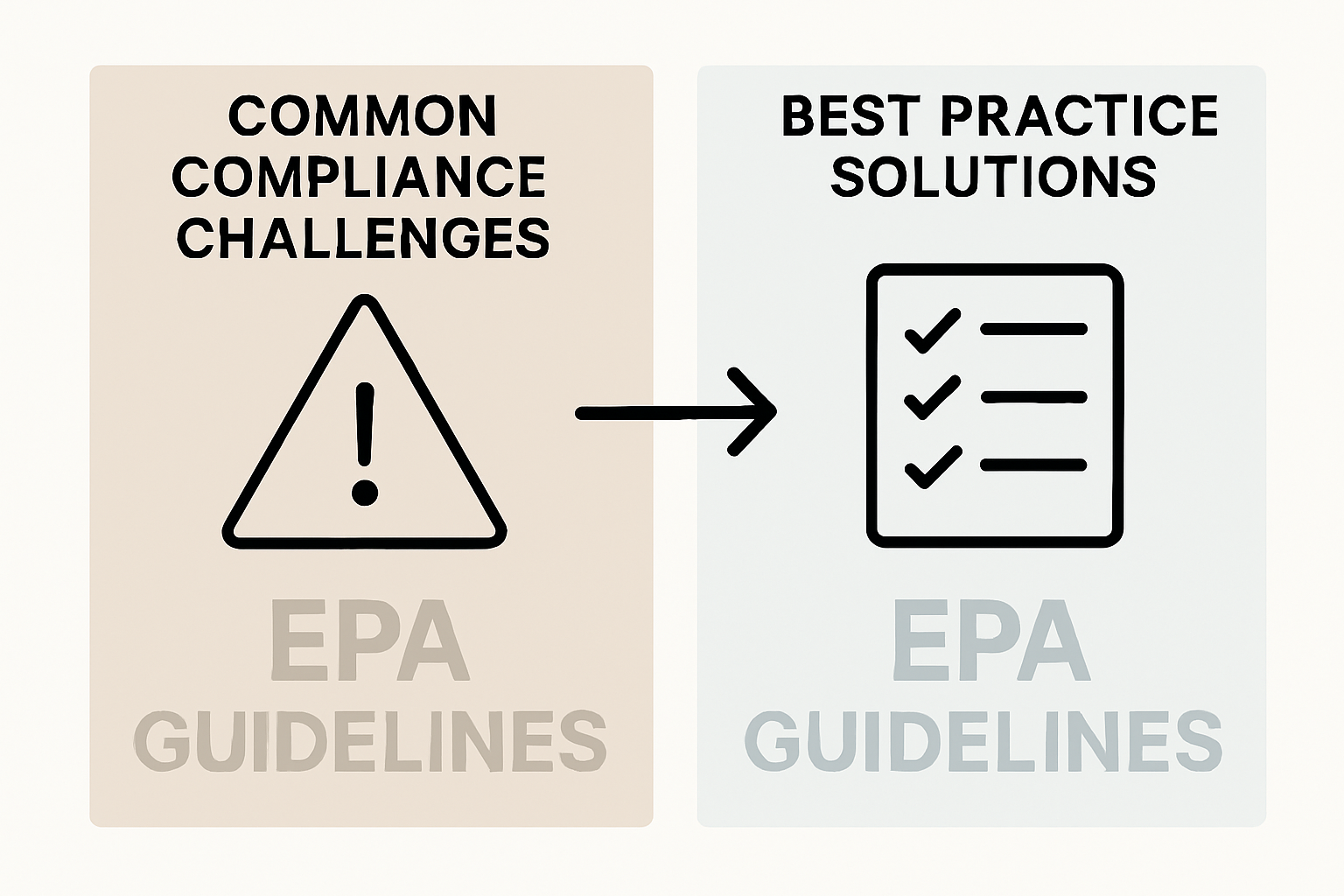
Successful compliance demands a strategic approach that balances technical requirements with practical considerations. This means understanding the specific contaminant profile of your environment, selecting appropriate technologies, implementing rigorous maintenance protocols, and staying informed about evolving regulatory standards. Continuous education and proactive system management are the most effective strategies for avoiding common compliance pitfalls.
Ensure Your Health with Certified Purification Solutions
The article highlights the critical challenge of navigating complex purification industry standards to protect your health effectively. Understanding certifications like NSF/ANSI 42 and NSF/ANSI 53 is essential to choosing systems that truly eliminate harmful contaminants, microbes, and chemicals. It is not enough to trust marketing claims because only verified testing protocols guarantee safe, reliable water and air quality.
At Coway Water Purifier, we address these concerns by offering advanced filtration systems engineered with the latest technology and independently certified to meet rigorous health and safety benchmarks. Our products incorporate UV sanitization and multi-stage filtration that align with the standards you need to ensure your home environment is protected.
Explore our range of innovative water and air purifiers and make a proactive choice for your family’s wellness today. Learn more about how we prioritize your health in every product at our Uncategorized Archives or visit our main site at https://cowayswaterpurifier.com.
Take control of your home’s water and air quality now. Visit Coway Water Purifier and select certified solutions designed to meet and exceed purification standards proven to safeguard your health.
Frequently Asked Questions
What are the main standards for water purification systems?
The primary standards for water purification systems include NSF/ANSI 42, which focuses on aesthetic water quality improvements, and NSF/ANSI 53, which targets the removal of health-related contaminants.
How do purification standards impact consumer health?
Purification standards establish benchmarks for the effectiveness of filtration systems in removing harmful pollutants, ensuring safe drinking water. Consumers benefit from certified systems that consistently meet health and safety requirements.
Why is ongoing compliance crucial for water purification technologies?
Ongoing compliance ensures that purification systems maintain their performance levels and continue to meet health standards. Regular inspections and documentation help identify inefficiencies or failures in the system that could pose health risks.
What common mistakes do consumers make regarding purification systems?
Common mistakes include neglecting regular maintenance, misunderstanding performance metrics, inadequately documenting system performance, and relying on outdated technologies. These errors can compromise the effectiveness of the purification systems.
Recommended
- Benefits of Pure Water for Health – Why Purity Matters – Coway Water Purifier
- 7 Essential Water Purification Facts 2025 for Healthy Homes – Coway Water Purifier
- Understanding Water Purification Terms Explained Clearly – Coway Water Purifier
- 8 Key Commercial Air Purifier Benefits You Should Know – Coway Water Purifier
- Industry Standards for Testing in Diesel Injection Services – My WordPress
