
Uncategorized
7-Step Home Water Filtration Checklist for Safer Drinking
Nov
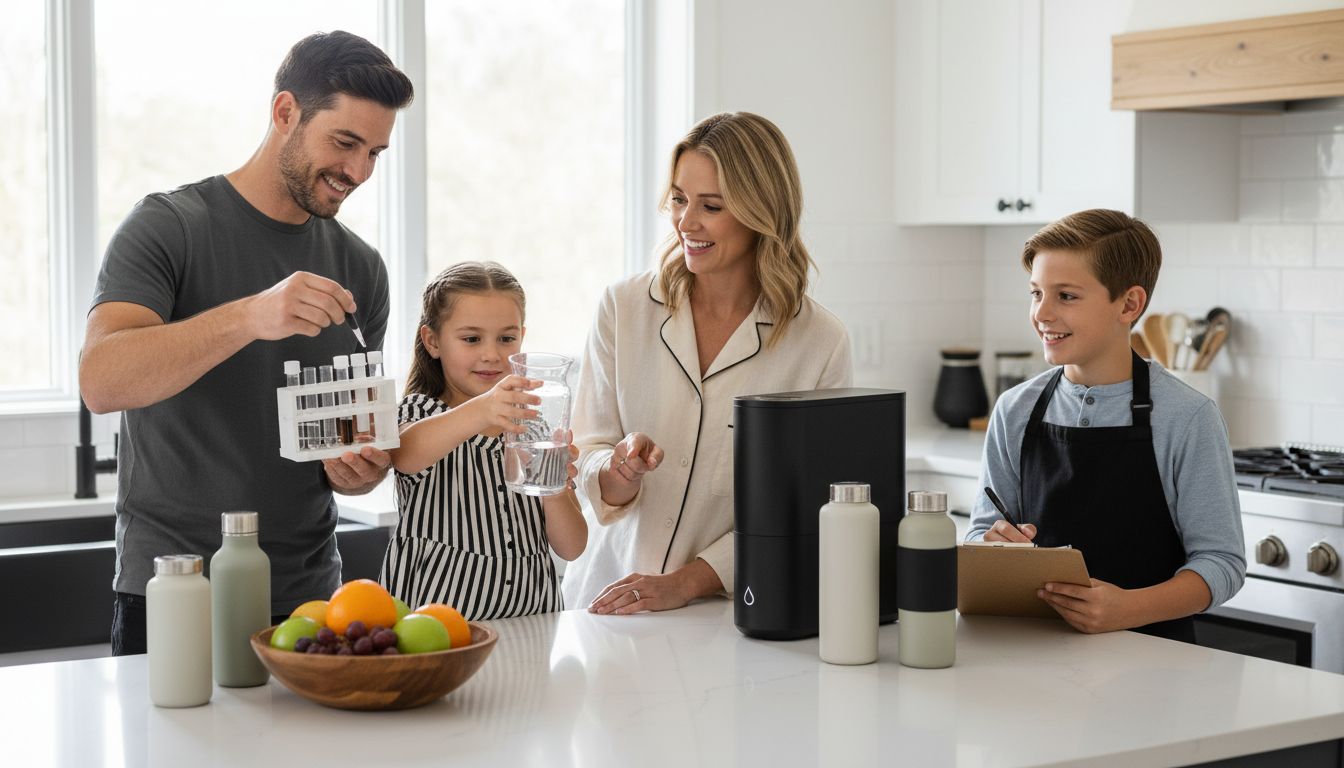
Nearly 45 million Americans rely on water from sources that may not meet basic safety standards, exposing families to hidden risks. Clean drinking water is a nonnegotiable part of a healthy home, yet water quality can shift from one neighborhood to the next. Learning how to test your tap and choose the right filtration can make all the difference for your wellbeing and peace of mind.
Table of Contents
- 1. Test Your Tap Water Quality First
- 2. Identify Common Contaminants in Your Area
- 3. Choose the Right Water Filtration System
- 4. Check Filter Certification and Standards
- 5. Plan for Proper Installation and Placement
- 6. Schedule Regular Filter Changes and Maintenance
- 7. Monitor Water Taste and System Performance
Quick Summary
| Takeaway | Explanation |
|---|---|
| 1. Test your tap water quality | Regular testing can identify harmful contaminants and help safeguard your family’s health. |
| 2. Know common local contaminants | Research local pollution issues to select an effective filtration system tailored to your region. |
| 3. Choose the right filtration system | Select a system based on identified contaminants and your household’s specific water needs. |
| 4. Regularly maintain and replace filters | Schedule timely maintenance to ensure system effectiveness and prevent contamination. |
| 5. Monitor taste and performance | Regularly assess your water’s taste and clarity to catch potential issues early. |
1. Test Your Tap Water Quality First
Knowing exactly what flows from your home tap is the crucial first step in ensuring safe drinking water. Water quality can vary dramatically between neighborhoods, even within the same city, making comprehensive testing essential for protecting your family’s health.
The Environmental Protection Agency (EPA) recommends proactively testing your water supply for potential contaminants through certified laboratories. By understanding what might be present in your water, you can make informed decisions about filtration and treatment strategies.
Why Water Testing Matters:
- Identifies potential chemical contaminants
- Reveals microbiological risks
- Detects possible radionuclide presence
- Provides baseline data for future water treatment
To get started, contact your county health department or locate a state certified laboratory. The EPA provides a simple way to find these resources by calling the Safe Drinking Water Hotline at 800 426 4791. Alternatively, you can visit the EPA website to find an approved testing facility near you.
Most comprehensive water tests will examine your water for key indicators including:
- Heavy metals like lead and mercury
- Bacterial contamination
- pH levels
- Mineral content
- Potential organic compounds
Professional water testing typically costs between 100 and 500 dollars, depending on the complexity of analysis. While this might seem expensive, it provides invaluable insights into your drinking water’s safety and potential health risks.
For homeowners seeking a deeper understanding of water quality at home, consider scheduling an annual test to track any changes in your water composition over time.
2. Identify Common Contaminants in Your Area
Understanding the specific water contaminants prevalent in your local environment is more than just a precaution it is a critical health strategy. Water quality can dramatically vary between neighborhoods, cities, and regions, making localized research essential.
Newsweek reports that water contamination exists across all 50 states, with different regions experiencing unique challenges. The Environmental Protection Agency (EPA) categorizes these potential risks into four primary types: physical, chemical, biological, and radiological substances.
Types of Water Contaminants:
- Physical contaminants affecting water appearance and taste
- Chemical substances from industrial or agricultural sources
- Biological microorganisms like bacteria and viruses
- Radiological elements that might pose long term health risks
To identify local contaminants, start by:
- Requesting a water quality report from your local municipal water supplier
- Consulting your county health department
- Reviewing EPA regional water quality databases
- Connecting with local environmental monitoring agencies
Common Regional Contaminants Include:
- Industrial chemicals
- Agricultural runoff compounds
- Heavy metals like lead and mercury
- Microplastics
- Pharmaceutical residues
- Natural mineral deposits
Knowing your specific water profile allows you to select the most appropriate filtration system. Some regions might require more robust multi stage filtration, while others need targeted solutions for specific contaminants.
Our guide to understanding water quality at home can provide additional insights into interpreting your local water composition and potential treatment strategies.
3. Choose the Right Water Filtration System
Selecting the appropriate water filtration system is not a one size fits all solution. Your choice depends on the specific contaminants identified in your local water supply and your household’s unique needs.
According to the EPA’s comprehensive guide on home drinking water filtration, multiple filtration technologies exist to address different water quality challenges.
Key Filtration System Considerations:
- Specific contaminants in your water
- Your household water consumption
- Budget for initial and maintenance costs
- Available installation space
- Long term filtration effectiveness
Primary Water Filtration Technologies:
- Activated Carbon Filters
- Reverse Osmosis Systems
- Ultraviolet Purification
- Ion Exchange Filters
- Ceramic Filters
- Distillation Units
Each filtration method targets different contaminants. Activated carbon filters excel at removing chlorine and organic compounds, while reverse osmosis systems provide comprehensive purification by removing up to 99% of dissolved solids.
Consider your water test results as the primary guide. If your water contains heavy metals, a multi stage filtration approach might be necessary. For homes with microbial concerns, combining UV purification with another filtration method can provide robust protection.
Budget plays a significant role. While comprehensive systems offer maximum protection, they also come with higher upfront and maintenance costs. Balance your water quality needs with financial considerations.
For a detailed exploration of water filtration options, check out our guide on water filtration methods for homes and businesses. Understanding your options is the first step toward safer drinking water.
4. Check Filter Certification and Standards
Not all water filters are created equal. Understanding certification standards is crucial to ensuring you purchase a reliable system that genuinely protects your family’s health.
NSF International provides critical third party testing and certification for water filtration products, offering consumers a reliable way to verify product performance and safety.
Key Certification Standards to Look For:
- NSF/ANSI Standard 42 (Aesthetic Effects)
- NSF/ANSI Standard 53 (Health Effects)
- NSF/ANSI Standard 58 (Reverse Osmosis)
- NSF/ANSI Standard 401 (Emerging Contaminants)
What Certification Means for You:
- Verified contaminant reduction claims
- Confirmed product material safety
- Independent performance testing
- Reliable consumer protection
Certification goes beyond marketing claims. A certified filter has been rigorously tested to demonstrate its ability to remove specific contaminants at established performance levels. This means when a filter claims to reduce lead or chlorine, independent testing confirms its effectiveness.
When shopping for water filtration systems, always check for certification markings. Look for labels from reputable organizations like NSF International, Water Quality Association (WQA), or IAPMO. These symbols indicate the product has undergone comprehensive testing and meets established safety standards.
Remember that certification is not a one time achievement. Manufacturers must continually meet strict standards to maintain their certification, providing ongoing assurance of product quality.
For homeowners seeking comprehensive insights, our guide to water filtration methods offers additional details on understanding certification and choosing reliable filtration systems.
5. Plan for Proper Installation and Placement
Where and how you install your water filtration system can dramatically impact its effectiveness and performance. Proper placement is not just about convenience it is about maximizing your system’s ability to deliver clean water.
The EPA’s fact sheet highlights the critical importance of strategic installation to address specific water contamination challenges in your home.
Key Installation Considerations:
- Proximity to water main entry point
- Accessibility for maintenance
- Protection from temperature extremes
- Avoiding direct sunlight
- Ensuring stable mounting surface
- Maintaining adequate clearance space
Recommended Installation Locations:
- Under kitchen sink
- Near main water line entry
- Basement utility area
- Dedicated utility closet
- Garage with temperature control
Different filtration systems require unique placement strategies. Whole house filters typically work best near the main water line entry point. Point of use systems like under sink filters provide targeted filtration exactly where you need clean drinking water.
Consider these critical factors during installation:
- Ensure proper water pressure
- Allow adequate space for filter replacement
- Protect system from potential water damage
- Maintain clear access for professional servicing
Professional installation can prevent common mistakes. While DIY might seem tempting, complex systems often require expert setup to guarantee optimal performance and prevent potential water damage.
Our comprehensive guide to water filtration methods offers additional insights into selecting the right installation approach for your specific needs.
6. Schedule Regular Filter Changes and Maintenance
A water filtration system is only as good as its maintenance routine. Neglecting regular filter changes can transform your state of the art system into an ineffective water conduit that potentially reintroduces contaminants.
The EPA emphasizes the critical importance of adhering to manufacturer guidelines for filter replacement and system maintenance to ensure consistent water quality and system performance.
Warning Signs You Need Filter Replacement:
- Reduced water pressure
- Unusual taste or odor
- Visible sediment in filtered water
- Changes in water color
- Exceeded recommended usage timeframe
Recommended Maintenance Schedule:
- Sediment filters: Every 3 to 6 months
- Carbon filters: Every 6 to 12 months
- Reverse osmosis membranes: Every 2 to 3 years
- UV light filters: Annual bulb replacement
Creating a maintenance calendar can help you stay on track. Many modern filtration systems offer smartphone app notifications or built in reminder systems to alert you when replacement is due.
Consider these maintenance best practices:
- Keep detailed records of filter replacement dates
- Purchase replacement filters in advance
- Inspect your system quarterly for potential issues
- Clean external components regularly
- Monitor water quality between replacements
Professional maintenance can extend your system’s lifespan and ensure optimal performance. Some homeowners opt for annual professional inspections to catch potential problems early.
For a comprehensive approach to keeping your water filtration system in top condition, our step by step water filter maintenance guide provides in depth insights into maintaining clean and safe water at home.
7. Monitor Water Taste and System Performance
Your water filtration system speaks volumes through its performance and the taste of water it produces. Paying attention to these subtle signals can help you catch potential issues before they become significant problems.
The EPA recommends regular assessment of water taste and system functionality to detect and address emerging water quality concerns.
Key Performance Indicators:
- Water taste and odor
- Water clarity
- Pressure consistency
- Flow rate changes
- Unusual color variations
Taste Testing Warning Signs:
- Metallic or bitter flavor
- Chlorine like smell
- Earthy or musty undertones
- Sudden changes in water sweetness
- Lingering chemical aftertaste
Consistent monitoring involves more than occasional taste tests. Track your system’s performance by keeping a simple log of water quality observations. Note any changes in taste, color, or flow rate that might indicate filter degradation or system malfunction.
Consider performing these periodic checks:
- Weekly taste tests
- Monthly visual inspections
- Quarterly pressure assessments
- Annual comprehensive system evaluation
Technology can help. Some advanced water filtration systems now offer built in quality monitoring sensors that provide real time performance data directly to your smartphone.
For homeowners seeking deeper insights, our guide on understanding how water filters affect taste provides comprehensive information on interpreting water quality signals.
This table summarizes the key steps and considerations for ensuring safe drinking water as discussed in the article.
| Main Step | Key Points & Actions | Benefits/Outcomes |
|---|---|---|
| Test Water Quality | Contact EPA or certified labs for water testing. Analyze for heavy metals, bacteria, pH, and more. | Identifies contaminants; informs treatment strategies. |
| Identify Contaminants | Request local water reports and consult databases. Learn common regional contaminants. | Tailors filtration needs; enhances health strategy. |
| Choose Filtration System | Assess specific contaminants and household needs; consider budget and technology. | Ensures tailored water purification; maximizes safety. |
| Check Filter Certification | Look for NSF/ANSI standards and independent testing. | Guarantees performance; confirms contaminant reduction. |
| Proper Installation | Consider location, maintenance access, and environmental protection. | Optimizes filtration system effectiveness. |
| Regular Maintenance | Follow manufacturer guidelines for filter changes; monitor water quality. | Maintains system functionality; prevents recontamination. |
| Monitor Performance | Conduct taste tests, inspections, and check flow rates. Utilize technology for real-time data. | Identifies performance issues early; ensures ongoing water quality. |
Take Control of Your Home’s Water Safety Today
Experiencing concerns about your tap water quality or unsure which filtration system suits your household can feel overwhelming. This 7-step checklist highlights vital challenges like testing for contaminants, selecting certified filters, and scheduling regular maintenance to keep your water clean and safe. Don’t wait until the subtle taste or odor changes become health risks. Our range of advanced Coway water purifiers addresses these exact pain points by offering solutions tailored to your water quality needs.
Explore our Uncategorized Archives – Coway Water Purifier to discover models with cutting-edge filtration technology and easy installation options designed for every home. Visit cowayswaterpurifier.com now to get started on securing healthier drinking water with professional-grade purification. Act now to benefit from free delivery and maintenance plans that keep your system performing flawlessly year-round.
Frequently Asked Questions
How can I test my tap water quality at home?
You can test your tap water quality by using certified laboratories that offer comprehensive water testing. Contact your county health department or locate a state-certified lab to get started.
What common contaminants should I look for in my local water supply?
Common contaminants include heavy metals like lead and mercury, chemical substances from agriculture or industry, and biological microorganisms. Request a water quality report from your local supplier or consult your county health department to identify specific local contaminants.
What should I consider when choosing a water filtration system for my home?
Consider the specific contaminants identified in your water, your household’s water consumption, and your budget for both initial and maintenance costs. Make a list of your water quality needs to help guide your selection process.
How often should I change the filters in my water filtration system?
Filter replacement frequency varies by type: sediment filters every 3-6 months, carbon filters every 6-12 months, and reverse osmosis membranes every 2-3 years. Create a maintenance calendar to remind you when each filter needs changing.
How can I monitor the performance of my water filtration system?
Monitor the performance of your water filtration system by regularly checking the taste, clarity, and pressure consistency of your water. Keep a simple log of your observations to spot any changes that may indicate filter degradation or system malfunction.
What are the signs that indicate I need to replace my water filter?
Signs that you need to replace your water filter include reduced water pressure, unusual taste or odor, and visible sediment in the filtered water. Pay attention to these indicators to maintain optimal filtration performance.
Recommended
- Water Filter Replacement Workflow for Safe Drinking Water – Coway Water Purifier
- 7 Best Water Filtration Methods for Homes and Businesses – Coway Water Purifier
- 7 Top Water Filtration Methods You Need to Know – Coway Water Purifier
- 7 Benefits of Water Filtration for Your Home and Health – Coway Water Purifier
