
Uncategorized
Difference Between Water Softener and Purifier
Dec
Nearly 85 percent of american homes deal with hard water or other water quality issues every year. Clean, safe water matters for everything from cooking to protecting your plumbing. Understanding the real difference between water softeners and water purifiers is the first step to making your home’s water safer and more effective. This guide helps you figure out which technology matches your specific needs and explains how each system qualifies as an investment in everyday health.
Table of Contents
- Defining Water Softeners and Purifiers
- How Water Softeners and Purifiers Operate
- Key Differences in Process and Benefits
- Choosing the Right System for Your Needs
- Common Misconceptions and Mistakes to Avoid
Key Takeaways
| Point | Details |
|---|---|
| Water Softeners Manage Hardness | Water softeners specifically target calcium and magnesium ions to reduce water hardness, protecting plumbing and enhancing household efficiency. |
| Water Purifiers Ensure Safety | Water purifiers employ multiple filtration methods to remove contaminants, providing safe drinking water free from harmful microorganisms and chemicals. |
| Different Functions, Combined Benefits | Homeowners may benefit from both systems, as water softeners deal with mineral content while purifiers focus on comprehensive contaminant elimination. |
| Conduct Water Quality Assessments | Regular water testing and professional assessments are essential for identifying specific needs and selecting the appropriate treatment solution for your household. |
Defining Water Softeners and Purifiers
Water treatment technologies play crucial roles in improving household water quality, with water softeners and water purifiers serving distinctly different functions. These systems address specific water-related challenges, helping homeowners manage mineral content, remove contaminants, and enhance overall water safety and usability.
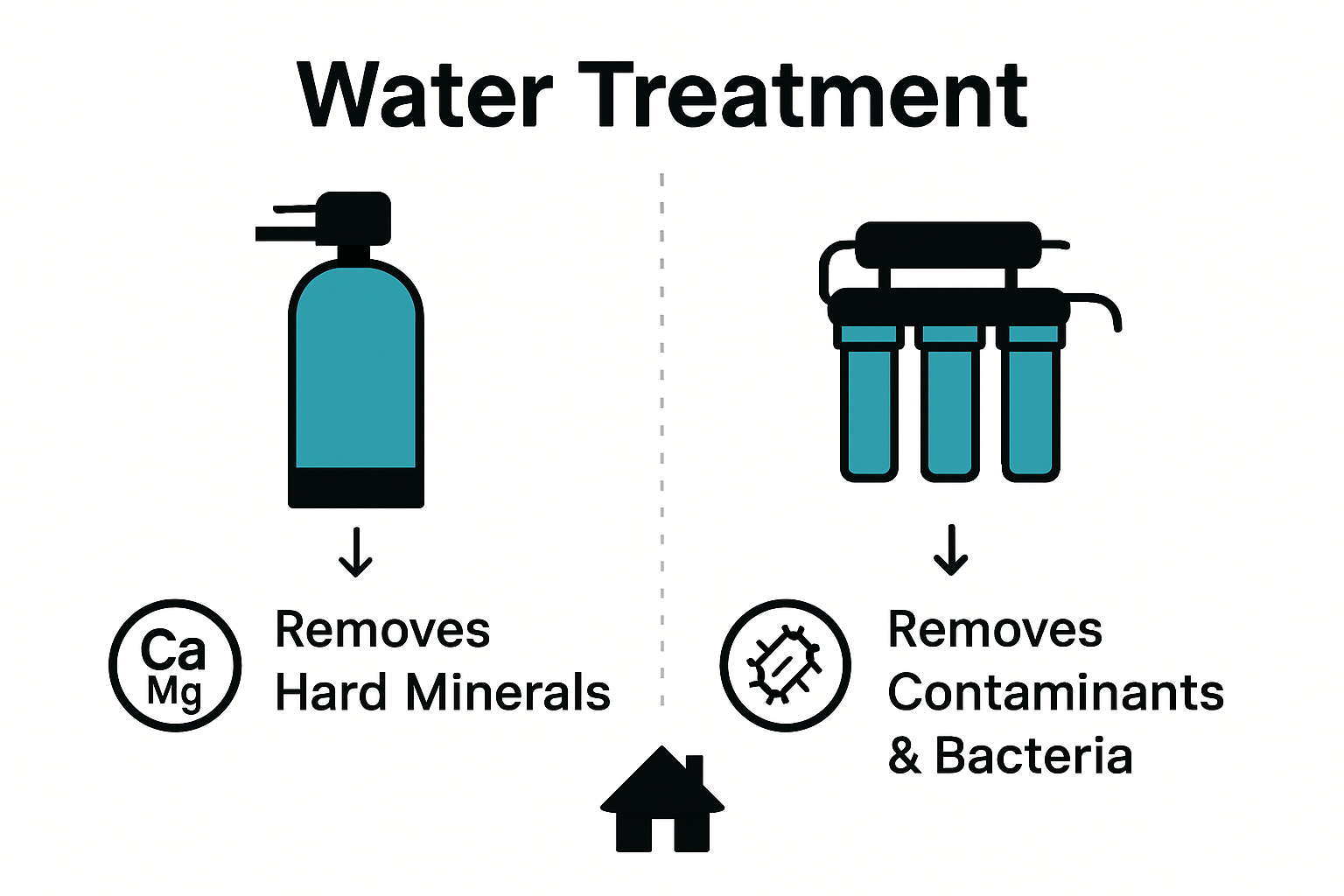
A water softener is a specialized device designed to combat hard water problems by reducing water hardness through mineral removal. Specifically, these systems target calcium and magnesium ions that cause scale buildup in pipes, appliances, and plumbing fixtures. By exchanging these hard mineral ions with sodium or potassium ions, water softeners prevent potential damage and improve water efficiency across household systems.
In contrast, water purifiers focus on comprehensive water quality enhancement. These advanced systems go beyond mineral management, actively removing a wide range of potential contaminants including bacteria, viruses, chemicals, heavy metals, and other harmful microorganisms. Water purifiers employ multiple filtration technologies such as activated carbon filters, reverse osmosis membranes, ultraviolet sanitization, and sediment screens to deliver clean, safe drinking water directly from your tap.
Understanding the fundamental differences between water softeners and purifiers helps homeowners make informed decisions about their water treatment needs. While water softeners primarily address hard water mineral issues, water purifiers provide a more comprehensive approach to water quality and safety. Depending on your specific water challenges, you might benefit from one system or potentially a combination of both technologies to achieve optimal water quality in your home.
How Water Softeners and Purifiers Operate
Water treatment technologies employ sophisticated mechanisms to transform and improve water quality, with water softeners and water purifiers utilizing distinct scientific approaches to address different water-related challenges. Understanding the intricate operational principles behind these systems helps homeowners make informed decisions about their water treatment needs.
Water softeners operate through an advanced ion exchange process, where hard water minerals undergo a strategic transformation. As water passes through a specialized resin bed, calcium and magnesium ions are systematically replaced with sodium or potassium ions. This chemical exchange effectively neutralizes the hardness-causing minerals, preventing scale buildup in pipes, appliances, and plumbing systems. The resin bed acts like a microscopic filter, capturing hard mineral ions and replacing them with softer alternatives that reduce potential damage and improve overall water system efficiency.
Water purifiers employ a more comprehensive filtration approach, utilizing multiple advanced technologies to eliminate contaminants. Multiple filtration methods work in concert to remove impurities, including activated carbon filters that absorb chemical contaminants, reverse osmosis membranes that block microscopic pollutants, ultraviolet sanitization that destroys harmful microorganisms, and sediment screens that trap particulate matter. These integrated systems ensure that water undergoes multiple layers of purification, dramatically improving its safety, taste, and overall quality.
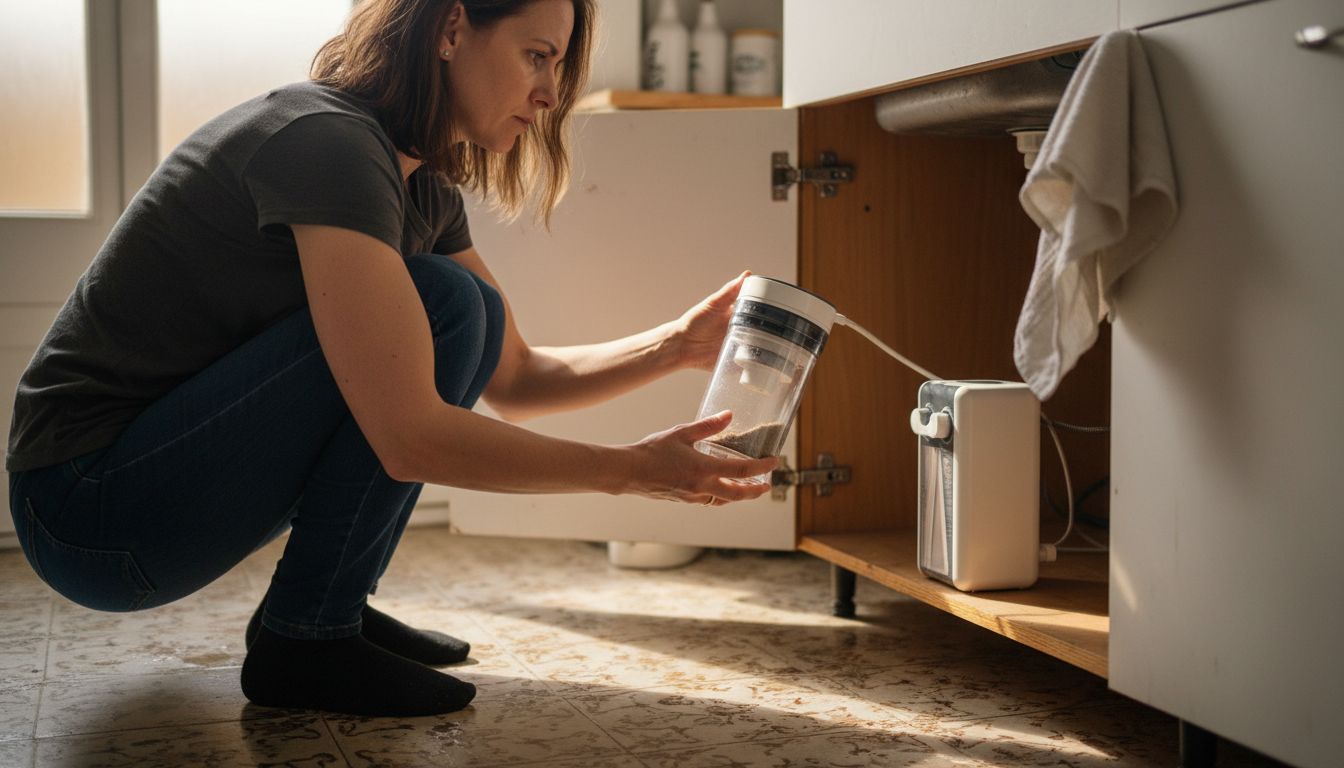
The operational differences between water softeners and purifiers highlight their unique purposes. Water softeners focus on mineral management and preventing hard water complications, while water purifiers concentrate on comprehensive contaminant removal. Homeowners with specific water quality concerns might benefit from understanding these technologies’ distinct mechanisms, potentially implementing a combination of systems to achieve optimal water treatment results.
Key Differences in Process and Benefits
Homeowners navigating water treatment solutions face critical choices between water softeners and water purifiers, each offering unique advantages tailored to specific water quality challenges. Understanding their distinctive processes and benefits helps individuals make informed decisions about protecting their household water systems and health.
Water softeners specifically address water hardness by removing mineral content, delivering significant benefits for home infrastructure and appliance longevity. By eliminating calcium and magnesium ions, these systems prevent scale buildup that can damage pipes, water heaters, dishwashers, and other water-dependent equipment. Homeowners can expect reduced maintenance costs, improved soap and detergent efficiency, and smoother-feeling water that extends the lifespan of household appliances.
Water purifiers, in contrast, focus on comprehensive contaminant removal to ensure safe drinking water through advanced filtration technologies. These systems target a wide range of potential health hazards, including bacteria, viruses, heavy metals, chemical pollutants, and microscopic impurities. By implementing multiple filtration stages, water purifiers dramatically improve water’s taste, odor, and safety, providing a critical line of defense against waterborne health risks that traditional water softening processes cannot address.
The key distinctions between these water treatment technologies extend beyond their immediate functions. While water softeners primarily manage mineral content and protect plumbing infrastructure, water purifiers prioritize human health by eliminating potentially dangerous contaminants. Homeowners with complex water quality challenges might benefit from integrated systems that combine both softening and purification technologies, creating a comprehensive approach to water treatment that addresses both structural protection and personal health concerns.
Choosing the Right System for Your Needs
Selecting the appropriate water treatment solution requires a careful assessment of your specific water quality challenges, household needs, and long-term health considerations. Not all water treatment systems are created equal, and understanding the nuanced differences can help homeowners make informed investments in their water infrastructure.
Water treatment selection depends critically on identifying primary water quality concerns, whether they stem from mineral hardness, microbial contamination, or chemical impurities. Homeowners should consider conducting a comprehensive water quality test to determine the exact composition of their water supply. This diagnostic step reveals specific contaminants, mineral concentrations, and potential health risks that will guide the selection between water softeners and purifiers.
Evaluation criteria for choosing the right system typically involve several key factors:
- Water source (municipal versus well water)
- Detected contaminant types
- Hardness mineral levels
- Household water usage patterns
- Budget for initial installation and ongoing maintenance
In many cases, households might benefit from a hybrid approach that combines water softening and purification technologies. This integrated solution addresses multiple water quality challenges simultaneously, providing comprehensive protection for both infrastructure and personal health. Professional water treatment specialists can help design customized systems that target your specific water composition, ensuring optimal performance and long-term value for your investment.
Common Misconceptions and Mistakes to Avoid
Navigating the complex world of water treatment technologies requires careful understanding and critical evaluation. Homeowners often encounter numerous misconceptions that can lead to ineffective water quality solutions and potential health risks.
One of the most prevalent misunderstandings is that water softeners purify water, which is fundamentally incorrect. Water softeners are designed exclusively to remove hard minerals like calcium and magnesium, but they do not eliminate bacteria, viruses, chemicals, or other harmful contaminants. This critical distinction means that simply installing a water softener does not guarantee safe drinking water, a mistake that can have serious health implications.
Common misconceptions about water treatment systems include:
- Believing all water filtration systems are identical
- Assuming water softeners provide complete water purification
- Neglecting regular maintenance of water treatment equipment
- Failing to conduct periodic water quality testing
- Choosing systems without understanding specific household water composition
Another significant mistake is overlooking the importance of professional water quality assessment. Water treatment technologies are not one-size-fits-all solutions. Homeowners should invest time in comprehensive water testing, consult professional technicians, and understand their specific water quality challenges before selecting or installing any treatment system. Proper research and expert guidance can prevent costly errors and ensure effective water treatment tailored to individual household needs.
Find the Perfect Water Solution for Your Home Today
Choosing between a water softener and a water purifier can feel overwhelming, especially when your health and home’s longevity are on the line. The article highlights the crucial difference between managing mineral hardness and fully eliminating harmful contaminants. If you want clear, safe drinking water without the risks of hard water damage, it is important to understand your unique water needs. Many homeowners struggle with low-quality water that affects taste, appliance lifespan, and health safety.
Discover reliable, advanced water purification solutions designed to address these challenges directly at Uncategorized Archives – Coway Water Purifier.
Start protecting your family and home by exploring the latest Coway water purifiers featuring cutting-edge filtration and UV sanitization technologies. Visit https://cowayswaterpurifier.com now to find models tailored to your water quality. Make the smart choice now to experience fresher water and peace of mind with expert support throughout installation and maintenance.
Frequently Asked Questions
What is the main difference between a water softener and a water purifier?
Water softeners primarily remove hard minerals like calcium and magnesium to prevent scale buildup, while water purifiers remove a wide range of contaminants, including bacteria, viruses, and chemicals, to ensure safe drinking water.
How do water softeners work?
Water softeners operate through an ion exchange process, where hard water minerals are exchanged for sodium or potassium ions, effectively reducing water hardness.
Can I use a water softener instead of a water purifier?
No, water softeners do not purify water; they only address mineral hardness. For safe drinking water, a water purifier is necessary to remove harmful contaminants.
Do I need both a water softener and a water purifier?
Depending on your specific water quality issues, you may benefit from both systems. A water softener addresses hard water problems, while a water purifier ensures the water is safe for consumption.
Recommended
- Difference Between Filter and Purifier: Complete Guide – Coway Water Purifier
- Difference Between Tap and Filtered Water Explained – Coway Water Purifier
- Complete Guide to Under Sink vs Countertop Purifiers – Coway Water Purifier
- 7 Top Water Filtration Methods You Need to Know – Coway Water Purifier
