
Uncategorized
What Is UV Sterilization? Complete Guide for 2024
Nov
UV sterilization has become a go-to solution for modern disinfection, yet nearly 40 percent of consumers still believe common myths about how it works. Choosing safe and chemical-free ways to eliminate germs matters more than ever, especially in homes and healthcare settings. This guide brings clarity to UV technology by exposing widespread misconceptions and revealing how it truly protects against harmful bacteria and viruses.
Table of Contents
- Defining UV Sterilization and Common Myths
- Types of UV Sterilization Devices Explained
- How UV Sterilization Works Scientifically
- Applications in Water and Air Purification
- Safety, Effectiveness, and Limitations Revealed
Key Takeaways
| Point | Details |
|---|---|
| Understanding UV Sterilization | UV sterilization employs UV-C light to disrupt the DNA of microorganisms, offering a chemical-free disinfection method. |
| Dispelling Myths | Misconceptions about UV sterilization include its instantaneous effectiveness and universality on all surfaces, highlighting the need for proper implementation. |
| Device Varieties | Various UV sterilization devices, such as low-pressure mercury lamps and UV-C LEDs, cater to specific disinfection needs within different environments. |
| Safety Considerations | Direct exposure to UV-C light poses risks to human health, necessitating protective measures during its use for disinfection. |
Defining UV Sterilization and Common Myths
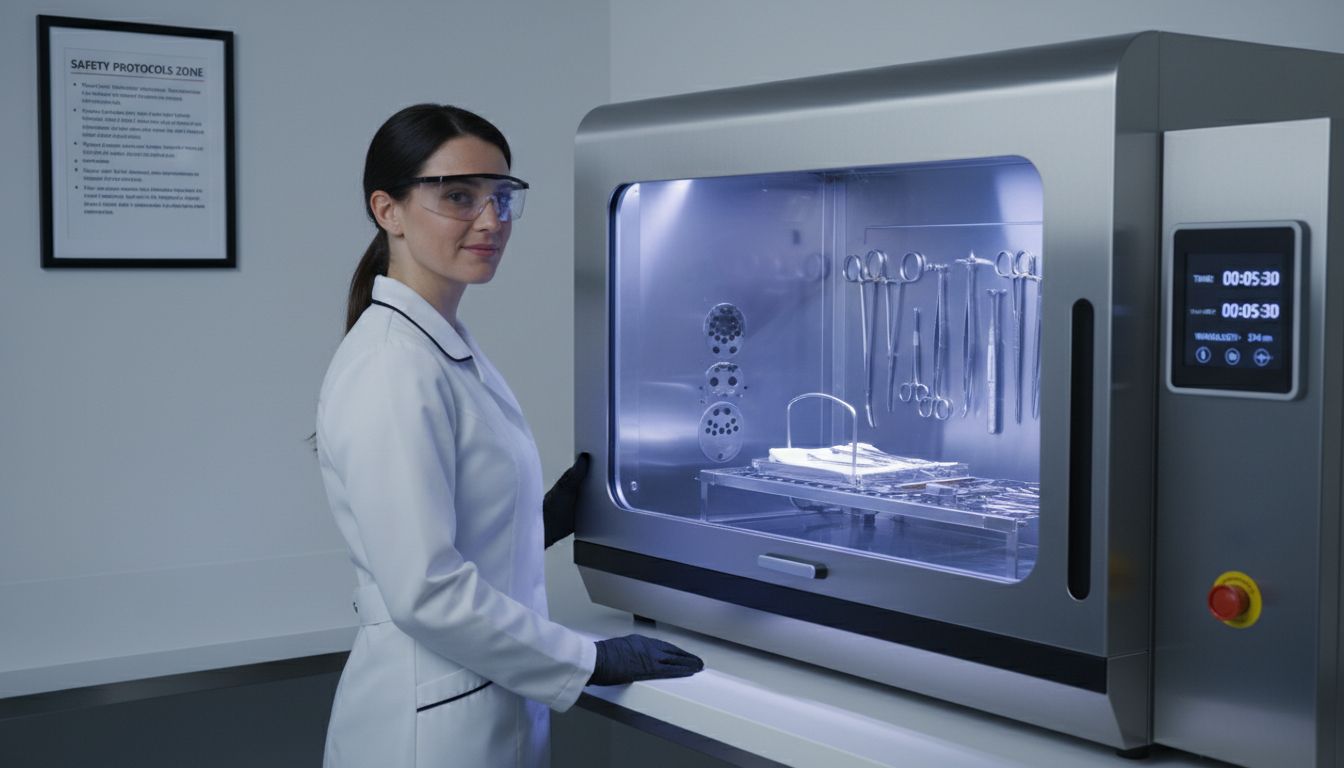
UV sterilization is a powerful disinfection technology that uses ultraviolet light to eliminate microorganisms by destroying their cellular DNA. According to vrforhealth, UV-C light specifically provides an effective method of pathogen inactivation without introducing harsh chemicals into the environment.
The science behind UV sterilization is straightforward yet incredibly precise. When microorganisms are exposed to specific wavelengths of ultraviolet radiation, typically between 200-280 nanometers, their genetic material becomes irreparably damaged. This process prevents bacteria, viruses, and other microbes from reproducing, effectively rendering them harmless. As electrooptics explains, this method provides a chemical-free approach to eliminating potentially harmful microorganisms.
However, several persistent myths surround UV sterilization that require clarification:
-
Myth 1: UV Sterilization Kills All Microorganisms Instantly
Not entirely true. The effectiveness depends on factors like light intensity, exposure time, and the specific microorganism’s resistance. -
Myth 2: UV Light is Equally Effective on All Surfaces
Different materials absorb or reflect UV light differently, which impacts sterilization efficiency. Transparent and reflective surfaces respond differently compared to porous materials. -
Myth 3: UV Sterilization is Completely Harmless
While effective for disinfection, direct exposure to UV-C light can be harmful to human skin and eyes. Proper protective equipment is essential during direct UV sterilization processes.
Understanding these nuances helps consumers and professionals use UV sterilization technologies more effectively and safely.
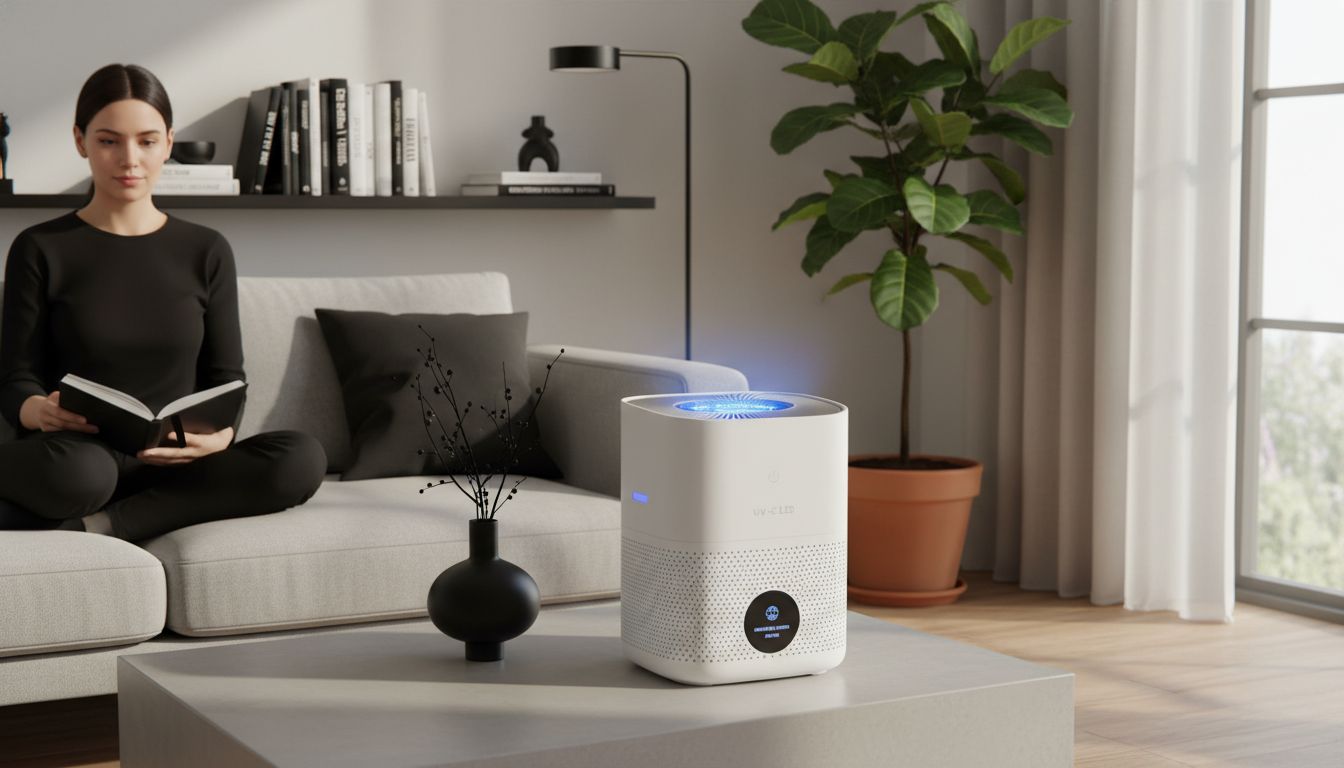 When implemented correctly, UV sterilization offers a powerful, chemical-free method of eliminating potentially dangerous microorganisms across various environments.
Types of UV Sterilization Devices Explained
UV sterilization devices come in several sophisticated technologies, each designed to address specific disinfection needs. According to en, the primary types include low-pressure mercury lamps, high-pressure mercury lamps, excimer lamps, and modern UV-C LED systems, each offering unique characteristics for pathogen elimination.
Low-pressure mercury lamps represent the traditional approach to UV sterilization. These devices emit ultraviolet radiation at 254 nanometers, which is particularly effective at penetrating microbial cell walls. High-pressure mercury lamps, in contrast, provide broader spectrum coverage and higher intensity, making them suitable for more demanding industrial and medical sterilization applications. en highlights that excimer lamps offer a cutting-edge alternative, generating narrow-band UV radiation with exceptional precision for specialized sterilization requirements.
The emerging technologies in UV sterilization showcase remarkable diversity:
-
Mercury Vapor Lamps
Reliable and cost-effective, producing consistent UV-C radiation -
UV-C LED Systems
Energy-efficient, compact, and with longer operational lifespans -
Excimer Lamps
Specialized narrow-band radiation for precise medical and scientific applications -
Pulsed UV Light Devices
High-intensity, short-duration treatments ideal for surface disinfection
Choosing the right UV sterilization device depends on specific environmental needs, target microorganisms, and application requirements. Learn more about UV purification technologies in our comprehensive guide on water purification, which explores how these innovative devices can enhance safety across different settings.
How UV Sterilization Works Scientifically
UV sterilization operates through a precise and powerful molecular mechanism that targets the fundamental building blocks of microbial life. According to irjet, the process works by directly attacking the genetic material of microorganisms, specifically disrupting their DNA and RNA structures through high-energy ultraviolet radiation.
At the cellular level, UV-C light creates photochemical reactions that cause irreversible damage to microbial genetic structures. When UV radiation penetrates cell membranes, it triggers molecular changes that prevent microorganisms from reproducing or functioning.
scirp highlights that this process is particularly effective because it permanently alters the genetic code, rendering pathogens completely inert.
Key scientific factors influence the effectiveness of UV sterilization:
-
Wavelength Specificity
UV-C light between 250-280 nanometers most effectively damages microbial DNA -
Exposure Duration
Longer exposure increases sterilization effectiveness -
Distance from Light Source
Closer proximity ensures more intense radiation and better pathogen elimination -
Surface Characteristics
Transparent and reflective surfaces interact differently with UV radiation
The precision of UV sterilization makes it a powerful alternative to chemical disinfection methods. Learn more about UV purification technologies in our comprehensive guide on water purification, which explores the intricate science behind these innovative sanitization techniques.
Applications in Water and Air Purification
UV sterilization has revolutionized purification technologies across water and air treatment systems. According to en, germicidal lamps play a critical role in disinfecting water supplies and air circulation systems by systematically inactivating harmful microorganisms through targeted ultraviolet radiation.
In water purification, UV sterilization provides a chemical-free approach to eliminating potential pathogens. The technology effectively destroys bacteria, viruses, and protozoa by disrupting their cellular DNA structures. en highlights that excimer lamps offer precision in targeting contaminants, making them particularly effective in creating safe drinking water and maintaining high-quality water treatment standards.
Key application areas for UV sterilization include:
-
Residential Water Treatment
Purifying drinking water and eliminating microbiological contaminants -
Municipal Water Systems
Large-scale water disinfection without chemical additives -
Hospital and Medical Facilities
Sterilizing air and water to prevent healthcare-associated infections -
Industrial Processing
Ensuring water quality in manufacturing and food production environments
The versatility of UV sterilization extends beyond water treatment into comprehensive air purification strategies. Explore the key differences between air and water purification technologies in our comprehensive guide, which provides deeper insights into these innovative sanitization methods.
Safety, Effectiveness, and Limitations Revealed
UV sterilization represents a powerful disinfection technology with significant potential and critical safety considerations. According to vrforhealth, the effectiveness of UV-C light depends on precise implementation and understanding of its inherent limitations, particularly regarding direct exposure and material interactions.
electrooptics emphasizes that while UV sterilization is remarkably effective at eliminating microorganisms, it requires careful management to ensure both optimal performance and user safety. The technology’s effectiveness can be compromised by factors like surface complexity, material opacity, and shadowed areas that prevent direct radiation contact.
Key safety and effectiveness insights include:
-
Direct Exposure Risks
Potential skin and eye damage from prolonged UV radiation -
Material Sensitivity
Varying effectiveness across different surface types and materials -
Penetration Limitations
Reduced efficacy on complex or shaded surfaces -
Indirect Surface Protection
Requires line-of-sight contact for maximum pathogen elimination
Understanding these nuanced factors is crucial for responsible UV sterilization implementation.
INFOGRAPHIC:infographic_content] [Learn more about the intricate balance between air and water purification technologies in our comprehensive guide, which provides deeper insights into safe and effective disinfection strategies.
Experience True Cleanliness with Advanced UV Sterilization at Home
Understanding the science behind UV sterilization reveals how important it is to protect your family from invisible microbes that ordinary methods might miss. With concerns about direct UV exposure and the need for efficient, chemical-free disinfection, choosing the right purification system becomes crucial. Our solutions focus on powerful UV-C technology combined with trusted filtration to ensure you get comprehensive protection for both water and air.
Discover how Coway’s water and air purifiers harness UV sterilization safely and effectively. Don’t wait to transform your home into a sanctuary of health and safety with cutting-edge devices designed for real-world needs. Visit Coway Water Purifier today to explore products featuring advanced UV sanitization, backed by expert installation and maintenance. Take the first step toward a cleaner, healthier environment now.
Frequently Asked Questions
What is UV sterilization?
UV sterilization is a disinfection technology that uses ultraviolet light to eliminate microorganisms by damaging their DNA. It is an effective chemical-free method for disinfecting air and water.
How does UV sterilization work scientifically?
UV sterilization operates by emitting UV-C light, which disrupts the DNA and RNA structures of microorganisms. This irreversible damage prevents them from reproducing and functioning, rendering them harmless.
What are the different types of UV sterilization devices?
There are several types of UV sterilization devices, including low-pressure mercury lamps, high-pressure mercury lamps, excimer lamps, and UV-C LED systems. Each type has unique characteristics for effectively disinfecting various environments.
What applications are UV sterilization used for?
UV sterilization is widely used in residential water treatment, municipal water systems, healthcare facilities, and industrial processing. It is effective for purifying drinking water and sterilizing air to prevent infections.
Recommended
- Understanding the Role of UV in Water Purification – Coway Water Purifier
- 7 Top Water Filtration Methods You Need to Know – Coway Water Purifier
- Understanding Water Purification Terms Explained Clearly – Coway Water Purifier
- 7 Effective Water Purification Methods for Your Home – Coway Water Purifier
