
Uncategorized
Water Purification Process Explained: Achieve Pure Drinking Water
Nov
Did you know that over 15 million U.S. households rely on private wells, many without regular water testing? Clean water is something most people take for granted, but hidden issues can lurk even in seemingly clear supplies. By understanding your unique water source, you gain the power to protect your health and keep contaminants at bay. Smart steps for assessment, purification, and ongoing care can turn any water source into a safe, reliable foundation for your home.
Table of Contents
- Step 1: Assess Water Source And Needs
- Step 2: Select Appropriate Purification Method
- Step 3: Install Filtration And Purification System
- Step 4: Perform Water Quality Testing
- Step 5: Maintain System For Long-Term Purity
Quick Summary
| Key Point | Explanation |
|---|---|
| 1. Understand your water source | Analyze water type and quality to determine specific filtration needs. Contact local utilities for reports and test your water at home. |
| 2. Choose the right purification method | Select purification technologies based on water quality issues identified in your analysis. Avoid assuming one method fits all. |
| 3. Install system carefully | Follow manufacturer instructions closely and use proper tools for installation. Seek professional help for complex setups to ensure effectiveness. |
| 4. Test water quality regularly | Conduct thorough testing using professional kits to monitor contaminants. Consider lab analysis for more accurate results beyond home testing. |
| 5. Maintain system proactively | Create a maintenance schedule for inspections and filter replacements to ensure optimal performance and system longevity. |
Step 1: Assess water source and needs
Before diving into water purification, you need to understand your specific water source and filtration requirements. According to CDC, water utilities handle different treatment steps based on the unique quality of their source water entering treatment plants.
To begin assessing your water needs, gather essential information about your water supply. Determine whether you are using municipal water, well water, or another source. Contact your local water utility for a comprehensive water quality report. These reports reveal critical details such as contaminant levels, mineral content, potential chemical presence, and overall water characteristics. Pay close attention to pH levels, hardness, and the presence of specific minerals or potential pollutants.
As you investigate, consider using home water testing kits for a more personalized assessment. These kits can provide insights into potential issues not captured in municipal reports. By understanding your specific water profile, you can select the most appropriate purification method moving forward.
 The EPA highlights that different water sources might require specialized treatment approaches, such as cation exchange processes that swap harmful ions with safer alternatives.
Warning: Never assume all water sources are identical or that a one size fits all solution exists. Your unique water composition demands a tailored approach to ensure safe, clean drinking water.
Step 2: Select appropriate purification method
Now that you understand your water source, it is time to choose the most effective purification method tailored to your specific needs. CDC emphasizes that selecting a water treatment method depends on water quality, availability, and community health requirements.
Consider the range of purification technologies available. For mineral heavy water, EPA recommends cation exchange treatment as an excellent solution for removing hardness ions like calcium and magnesium. This process swaps problematic positively charged contaminants with safer sodium ions. Other potential methods include reverse osmosis, activated carbon filtration, UV purification, and distillation. Each method targets different contaminants so matching the technology to your water profile is crucial.
Your selection should balance effectiveness, maintenance complexity, and cost.
Look for a solution that addresses your specific water quality issues comprehensively. For instance, if your water test reveals high mineral content, a cation exchange system might be ideal. If bacterial contamination is the primary concern, UV or chlorination methods could be more appropriate.
Warning: Avoid assuming a single method will resolve all water quality challenges. Consult water treatment professionals who can provide personalized recommendations based on your comprehensive water analysis.
Step 3: Install filtration and purification system
With your purification method selected, it is time to install your water filtration system carefully and correctly. EPA notes that water purification systems are critical for removing minerals and organic contaminants through physical and chemical processes.
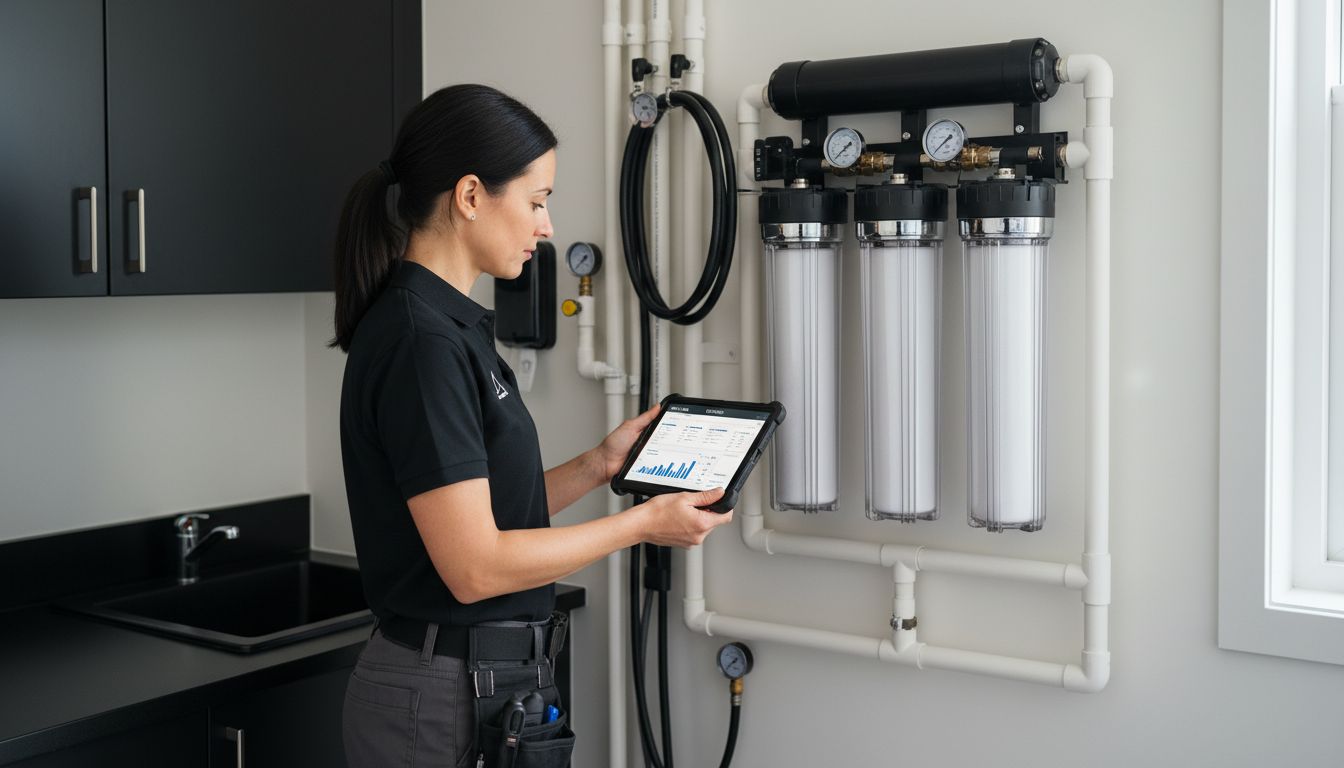
Begin by gathering all necessary tools and carefully reading the manufacturer installation instructions. Depending on your chosen system, you might need basic plumbing tools like adjustable wrenches, pipe cutters, and Teflon tape. If you are installing an under sink system, shut off the main water supply and clear the area beneath your sink. Some complex installations might require professional assistance, especially for whole house systems or those with multiple treatment stages.
EPA recommends considering a sequential installation approach where multiple purification systems are connected to increase overall water treatment effectiveness. This might involve installing pretreatment filters to remove larger particles before your primary filtration system. Pay close attention to connection points, ensuring tight seals and proper alignment to prevent leaks.
Warning: Improper installation can compromise your water quality and system performance. If you are uncertain about any step, consult a professional plumber or water treatment specialist to ensure proper setup.
Step 4: Perform water quality testing
With your filtration system installed, the next crucial step is conducting comprehensive water quality testing to ensure your system operates effectively. CDC highlights the importance of understanding water characteristics, noting that water treatment professionals carefully monitor factors like pH levels that impact water taste and pipe integrity.
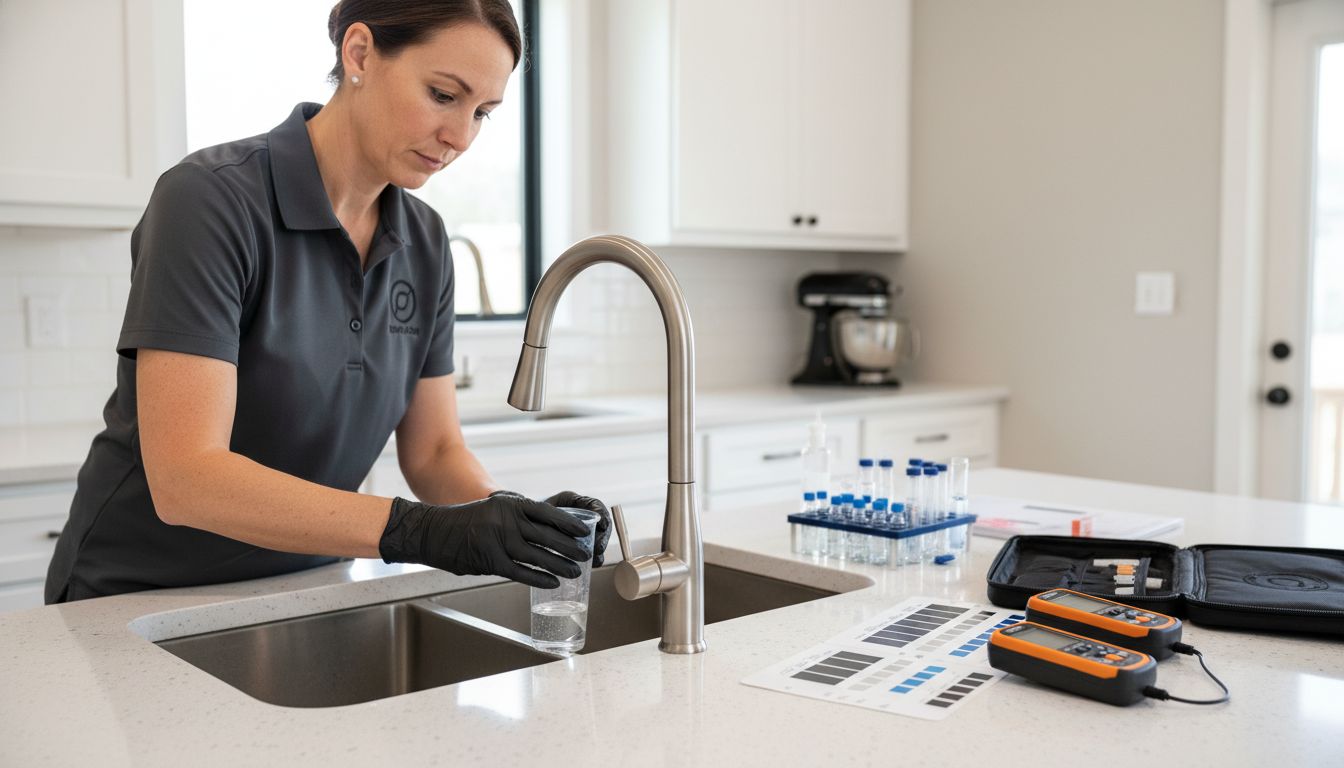
To begin testing, acquire a professional water testing kit that covers a wide range of potential contaminants. These kits typically test for bacteria, heavy metals, nitrates, chlorine, and pH levels. Follow the kit instructions meticulously, collecting water samples from multiple sources in your home. Pay special attention to collecting samples from different faucets to get a comprehensive understanding of your water quality. Some advanced kits offer digital readouts, while others require comparing color changes against a reference chart.
EPA emphasizes that treatment capacities vary based on specific water characteristics, which means no single testing approach works universally. Consider sending samples to a certified laboratory for the most accurate and comprehensive analysis. Professional testing can reveal nuanced details about your water that home test kits might miss, such as trace contaminants or specific ion concentrations that could impact your health or equipment performance.
Warning: Do not rely solely on visual or taste indicators. Many dangerous water contaminants are invisible and tasteless, making professional testing essential for truly understanding your water quality.
Step 5: Maintain system for long-term purity
EPA recommends using water purification systems strategically and matching maintenance to your specific water quality needs. Consistent maintenance is the key to ensuring your water filtration system continues performing at its highest level, protecting your household from potential contaminants.
Develop a regular maintenance schedule that includes monthly filter inspections, quarterly deep cleaning, and annual comprehensive system evaluations. Replace filters according to manufacturer recommendations typically every 6 to 12 months. During inspections, check for any signs of sediment buildup, unusual odors, or decreased water flow that might indicate potential system issues. Clean external components like faucet attachments and system housing to prevent bacterial growth and maintain optimal performance.
EPA emphasizes that water purification systems are designed to remove minerals and organic contaminants through precise physical and chemical processes. Keep detailed maintenance records tracking filter replacements, water quality test results, and system performance. This documentation helps you monitor your system effectiveness and identifies potential long term trends or developing issues before they become significant problems.
Warning: Neglecting regular maintenance can compromise your water quality and potentially reduce the lifespan of your expensive filtration system. Treat your water purification system like a critical home health investment that requires consistent attention and care.
Discover True Water Purity with Coway Solutions
Understanding the detailed process of water purification reveals how crucial it is to customize your treatment system based on your unique water profile. This article highlights challenges like mineral hardness, bacterial contamination, and the need for careful system maintenance—key concerns that many homeowners face when striving for crystal-clear, healthy drinking water. You deserve a reliable filtration system that addresses these exact issues with advanced technology and expert support.
Take control of your home’s water quality today by exploring our range of expertly designed water purifiers that include options such as cation exchange systems, UV sanitization, and multi-stage filtration. At Coway Water Purifier, we provide innovative products paired with free installation and maintenance services that ensure your system performs optimally over the long term.
Elevate your home’s water safety and taste with proven solutions tailored to your needs. Visit Coway Water Purifier now to browse our full collection and find the perfect purifier for your lifestyle. Don’t wait until contaminants compromise your health—transform your water quality with Coway’s trusted technology and expert care.
Frequently Asked Questions
What steps are involved in the water purification process?
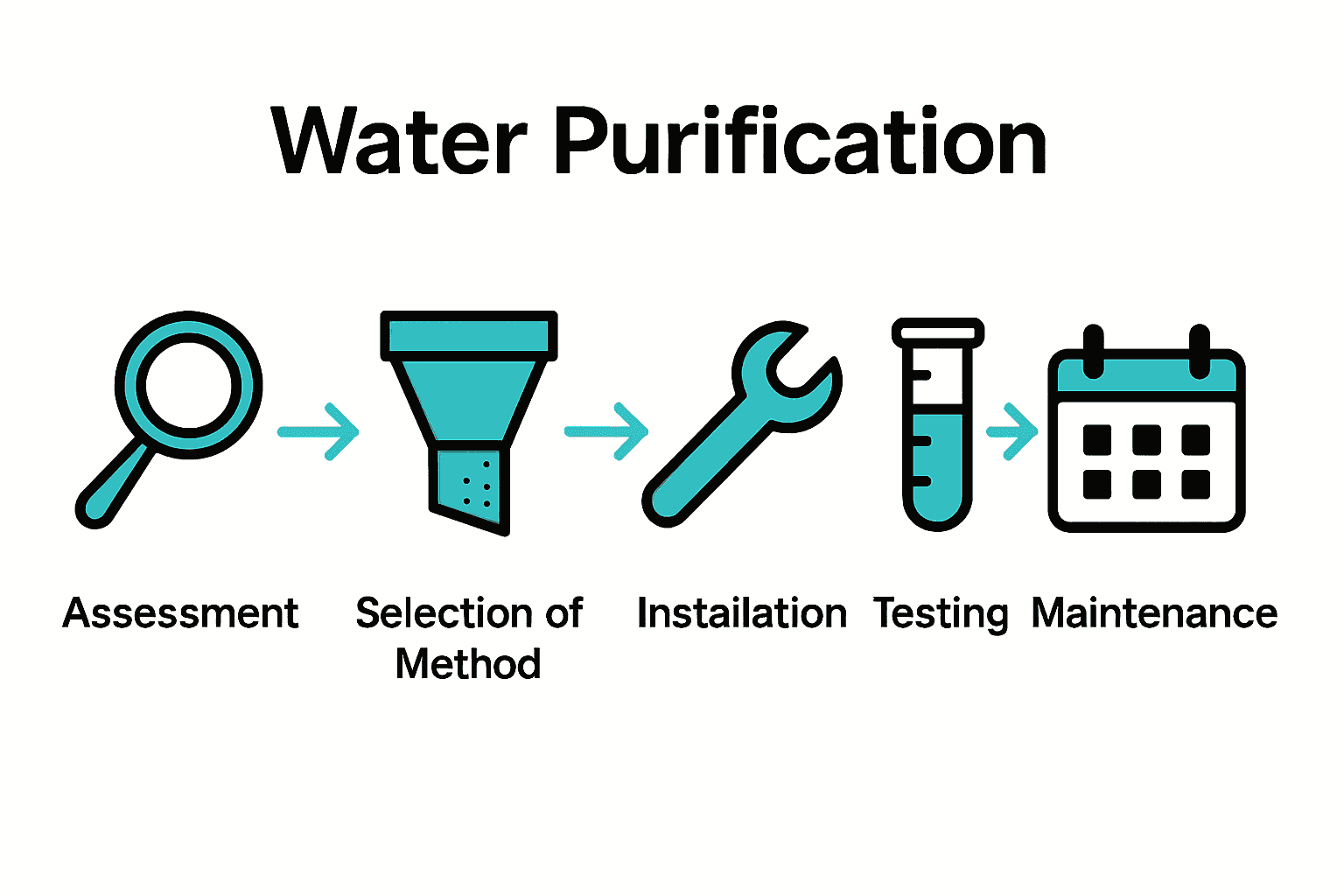
The water purification process involves assessing your water source, selecting the appropriate purification method, installing the filtration system, performing water quality testing, and maintaining the system for long-term effectiveness. Begin by gathering information on your water quality to make informed decisions throughout the process.
How can I determine my specific water filtration needs?
To determine your specific water filtration needs, gather a water quality report from your local utility or use a home water testing kit. Analyze factors like pH levels, hardness, and contaminants, which will help you choose the right purification method to address your unique water profile.
What purification method should I use for hard water?
For hard water, a cation exchange system is recommended as it effectively removes minerals like calcium and magnesium. Consider installing this system to swap out hard ions with safer sodium ions, improving your water quality significantly.
How often should I test my water quality after installation?
Test your water quality at least annually after installation to ensure your filtration system is working effectively. Set a reminder to conduct a comprehensive test, which will help identify any potential issues with contaminants or system performance.
What maintenance is required for my filtration system?
Regular maintenance includes monthly filter inspections, quarterly deep cleanings, and annual comprehensive evaluations. Follow the manufacturer recommendations for filter replacements, typically every 6 to 12 months, to keep your system functioning optimally.
What should I do if my water quality tests reveal contaminants?
If your water quality tests reveal contaminants, identify the specific impurities present and consult a water treatment professional for tailored solutions. Take action quickly to implement an appropriate purification method, ensuring your drinking water remains safe and clean.
Recommended
- Understanding Water Purification Terms Explained Clearly – Coway Water Purifier
- Understanding What is Reverse Osmosis for Clean Water – Coway Water Purifier
- What is Water Purification? Understanding Its Importance – Coway Water Purifier
- 7 Top Water Filtration Methods You Need to Know – Coway Water Purifier
